Blaming Xbox players for E-Day's sales lets Microsoft off the hook
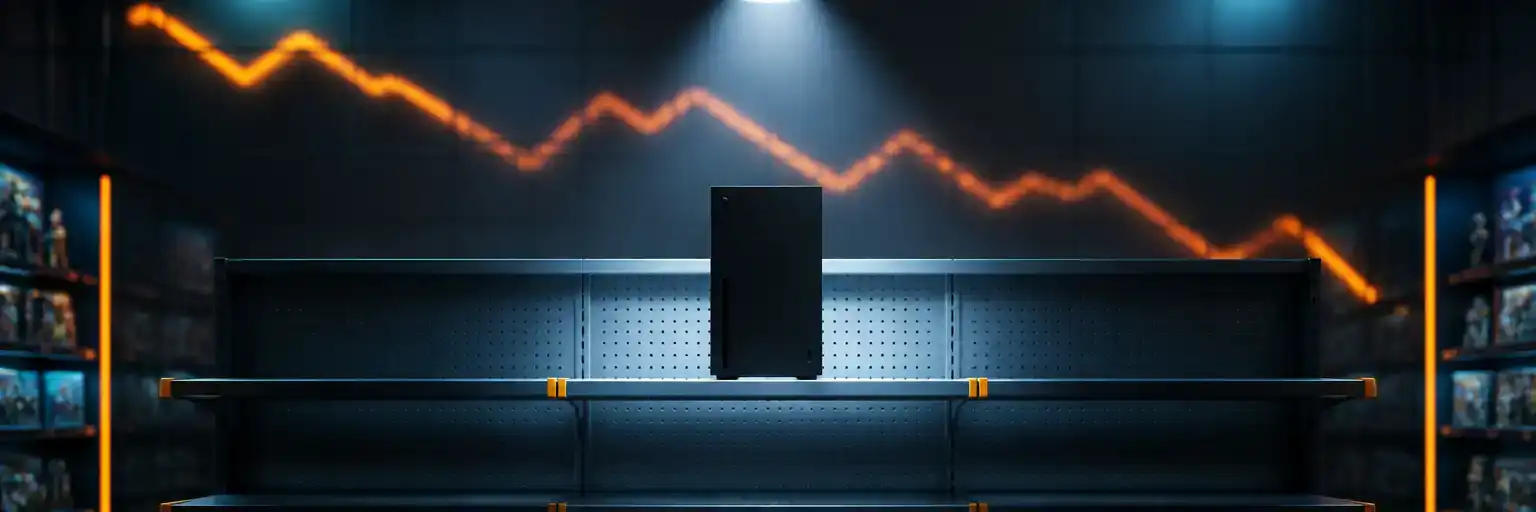
Soft retail numbers for Gears of War: E-Day say more about Game Pass, a crowded calendar and Xbox's platform strategy than about fans who supposedly failed to put money where their mouths are.
Photo: Xbox Game Studios / Steam (uso editorial)
Xbox fans begged for exclusives, got one, and then didn't buy it. That is the tidy story making the rounds about Gears of War: E-Day, and it is wrong. It treats a purchase as a loyalty test. A game's sales are the result of how its publisher chose to sell it.
The numbers are messy, but they agree on the shape
The reported figures vary. As IGN relays, the game has reportedly sold over 400,000 copies across console and PC a month after its day-one Game Pass launch, and analysts say more people likely played through the service. Other estimates are lower: Eurogamer reports about 230,000 "pure" copies since launch, alongside more than 1.7 million Game Pass players. Another breakdown counts just 62,000 copies sold on Xbox. These are estimates with different time frames and scopes, so we wouldn't hang a verdict on any single one.
What they do agree on is the shape: a small paid audience and a much bigger subscription audience. In our view, Microsoft designed that outcome.
Game Pass did exactly what it was built to do
If you put a game in a subscription on day one, a large share of your most interested players will take the cheaper route. That isn't betrayal. It's the product working as advertised. As Windows Central argues, mocking players for using the monetization model Xbox built for them is a glaring double standard, and we agree.
The $70 standalone copy of a first-party Xbox game looks like a niche product to us. Microsoft taught its audience to wait, subscribe or pay for an upgrade. You can't spend years selling the "play everything" pitch and then act surprised when people play everything.
There is also evidence that some players do pay. A Metro reader feature describes someone who bought it on day one despite Game Pass, and Windows Central notes that plenty of players paid for the premium upgrade on top of their subscriptions. We're not going to turn one reader into a trend. But "nobody put money down" is a claim the facts don't support.
The calendar was a trap
Consider the window E-Day landed in. According to Windows Central, players were being asked to choose between Call of Duty: MW4, Grand Theft Auto 6, Marvel's Wolverine, Silent Hill: Townfall, Minecraft Dungeons 2, Ace Combat 8 and remasters like The Witcher 3 and Dynasty Warriors 3 Complete Edition, all within a single two-month span. Wallets triage. A day-one subscription entry is the easiest thing to cut from the "buy" pile and keep in the "play" pile.
In our view, putting a flagship exclusive in that crush was a poor call. Whoever signed off on the date owns part of the result. It certainly wasn't the fan with a finite entertainment budget.
Exclusivity can't be a one-game miracle
The other flaw in the discourse is impatience. Windows Central notes that Asha Sharma positioned E-Day and Clockwork Revolution as console exclusives at this year's Xbox Games Showcase, in what it frames as something of an olive branch to the community. Fine. But no single game rebuilds a hardware base. Metro's headline says the game "hasn't made any difference" to Xbox as sales keep getting worse. That sounds damning until you ask what anyone expected. Switching ecosystems is a household decision, not an impulse buy.
Our reading: the E-Day experiment tells us very little about whether exclusivity works. It tells us a lot about what happens when you test exclusivity inside a subscription, in a brutal window, after years of multiplatform signals. That is a confounded experiment, and nobody should draw sweeping conclusions from it.
Windows Central's suggestion is that brand confidence needs several exclusives over a couple of years, ideally including a true platform-defining pillar. We think that's plausible, though it's an opinion, not a certainty.
Blame the launch plan, not the players
Players owe a publisher nothing, least of all a $70 purchase when the same publisher offers them the game for the price of a subscription they already pay. If Microsoft concludes "exclusives don't sell" from this, it risks another premature course correction. If it concludes "we undermined our own launch," it might actually learn something.
So the useful questions are for Redmond: should flagship games launch inside Game Pass? Who picks release dates? How much patience does the strategy get? Fans are the easiest target, and the least responsible one.
No topics yet: start the first one.
More stories
Xbox's AI admission is overdue; players deserve specifics, not vibes
A strategy manager says AI is already part of game development at Xbox. The scandal isn't the admission; it's an industry that still expects players to guess where it's used.
Pulling Minecraft from PlayStation would cost Xbox more than it costs Sony
A survey floats making Minecraft Xbox-only. We think it would trade the biggest family franchise's reach for a platform bet Xbox can't afford to lose.

Greenawalt's exit isn't a retirement story: it may be the end of Xbox sim racing
With Dan Greenawalt retiring and Turn 10 folded into Playground Games, Forza's simulation side loses its last champion, and sim fans should be worried.

Xbox's "more demand than consoles" claim doesn't survive a 14% drop
Asha Sharma blames supply for falling console sales, but a 14% revenue drop despite higher prices points to a pricing and relevance problem Xbox has to own.