Gamersfera Newsroom
Xbox Helix says it's a console, not a PC. Now it has to prove it
Microsoft's "console first" pitch for Helix only matters if the box delivers console simplicity and affordable pricing while it opens the door to PC games.
Microsoft's "console first" pitch for Helix only matters if the box delivers console simplicity and affordable pricing while it opens the door to PC games.
A playable Portal prequel from 2007 has leaked, and the real story is how porous Valve's archive is and whether a prequel could ever justify itself.
Charging up to $514 for an alpha of an extraction shooter whose Steam early access is slated for Q3 2027 stretches founder-pack logic. Treat it as a donation.
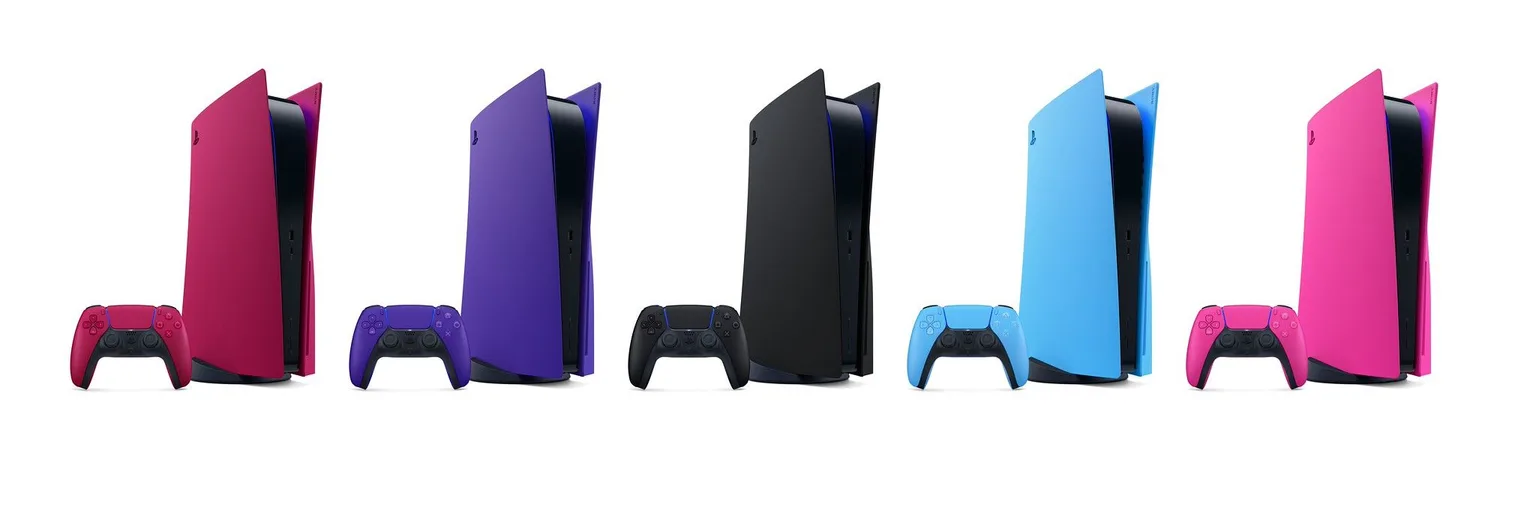
Steep console pricing, PlayStation's own PC releases and PC-first indie launches are pushing players toward PC. Consoles need openness, not nostalgia, to answer.
A PS5 that boots into Steam's interface shows how much silicon walled gardens leave idle. Sony will fight it, but the real lesson is about what players want.
Intel blames a memory crunch and a PC slump for its weak outlook. We think that means pricier, scarcer rigs for gamers for at least the next year, not a quick fix.
Tim Sweeney says Valve has held gaming back for years. The louder he gets, the more his argument sounds like a sales deck for Epic's ecosystem, not a neutral diagnosis.
Three letters said in an audio panel set the internet on fire again. Fans should stop decoding Valve's accidents and start demanding an actual announcement.
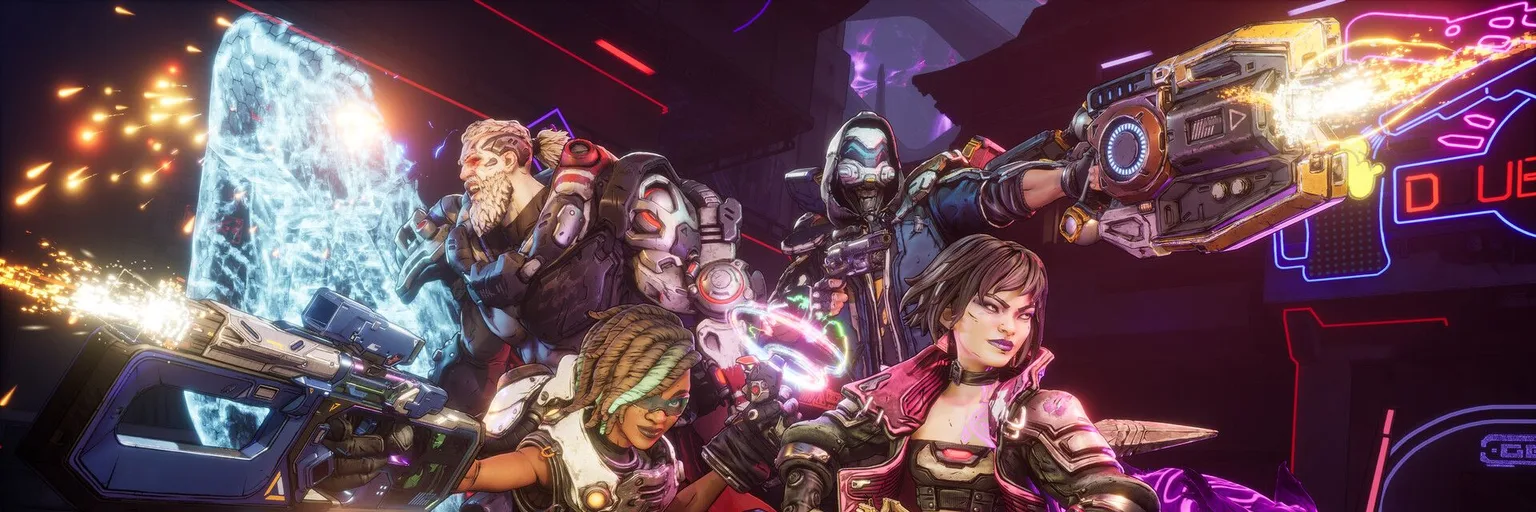
Gearbox pulled Denuvo from Borderlands 4 over a year after launch, and that says plenty about what DRM is really for. PC players should ask for the same elsewhere.
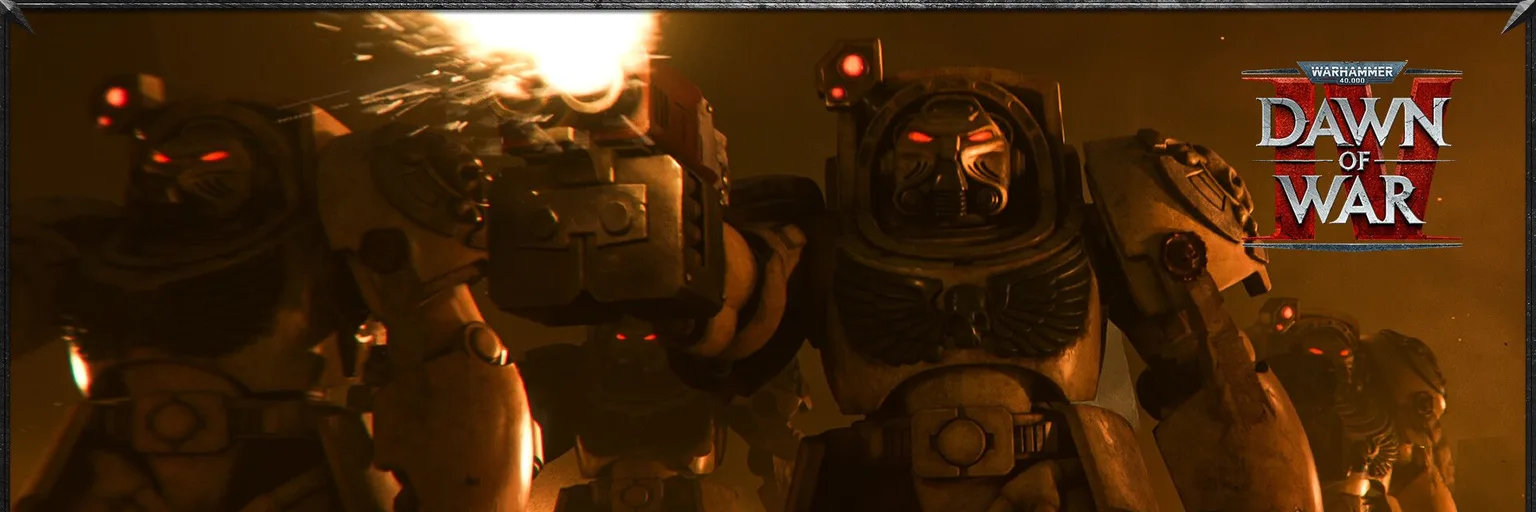
With four factions, 70-plus missions and a return to The Last Stand, Dawn of War IV is testing whether strategy games need a service model to stay relevant.
Moon Studios' upcoming 1.0 release for No Rest for the Wicked promises a complete overhaul of its core systems, but the radical transformation raises questions about balance and whether it can justify the long wait for players.
More than a decade after its PS4 debut, Driveclub, abandoned by Sony, has been natively recompiled for PC by fans, challenging console exclusivity and setting a new benchmark for game preservation.
For HeroQuest: Digital Edition to conquer the crowded digital RPG market in 2027, its playable Zargon and robust Quest Editor are not just features, but crucial strategic advantages.
Bulkhead's swift and transparent response to the Season 2 tank exploit and team imbalance in Wardogs sets a vital precedent for competitive fairness and responsive game development.
The long-awaited arrival of BeamNG.drive on PlayStation 5 is poised to redefine vehicular physics simulation on consoles, challenging traditional game design with its deep customization and open-ended sandbox experience.
While DroidDeck promises the allure of native PC games on Android, its real-world impact hinges on overcoming significant hardware barriers and demonstrating clear advantages over established streaming solutions.
After two decades, a simple but profound idea for World of Warcraft's combat could redefine player collaboration and inject much-needed strategic depth into its core gameplay.
Phantom Blade Zero's launch approach prioritizes market penetration and specific regional appeal with localized pricing and strategic demo releases, even as some localization choices spark debate.
Valve's new Achievement Sets, now in beta, finally decouple DLC from 100% game completion, addressing a long-standing frustration for players and setting a higher bar for platform engagement.
Valve's Deadlock is defying conventional wisdom, shattering pre-launch player records with an invite-only beta and proving that a gradual, strategic rollout can build unprecedented hype and engagement.
The launch of a Modern Warfare 4-themed GeForce RTX 5080 GPU blurs the lines between game marketing and tech product integration, signaling a growing trend of direct hardware collaborations for major game releases.
NVIDIA’s RTX Spark platform, with its ARM-based architecture and Blackwell GPU, brings groundbreaking AI capabilities to Windows laptops, but its gaming proposition, though advanced with DLSS 5 and anti-cheat, faces significant hurdles that keep it from being a clear win for all players.
Stardock's upcoming real-time strategy epic, Ashes of the Singularity II, arrives on November 10, 2026, with an ambitious vision for large-scale warfare, aiming to revitalize a genre navigating a crowded market and evolving player expectations.
TCL CSOT's rumored push for 700Hz OLED gaming monitors by 2028 challenges current performance needs, prompting us to question whether such extreme refresh rates offer true value or merely escalate the hardware race.
After a long Early Access journey, Enshrouded's 1.0 launch delivers a polished, innovative experience that sets a new bar for the survival-crafting genre with its unique blend of building and action RPG elements.
Grand Theft Auto VI's console-first launch in late 2026 and the strong rumors of a Q1 2027 PC release highlight Rockstar's calculated strategy and the game's undeniable cultural pull.
Ludeon Studios' move from Unity to its Waylith Engine for RimWorld not only promises remarkable performance gains but also signals a potential shift towards greater independence and optimization for game developers.
The impending closure of Legacy Games' store and launcher is a stark reminder of how fragile digital purchases truly are, forcing players to confront the impermanence of their libraries.
Bandai Namco's 'Tales of Eternia Remastered' launches soon, aiming to update a beloved 2000 JRPG for modern platforms. We analyze if nostalgia is enough, or if it truly paves the way for future retro revivals.
The spectacle of Doom running on a high-end Hasselblad X2D 100C camera showcases the game's indelible cultural footprint and the ingenuity of hardware hackers, proving it's more about the 'can it run Doom?' meme than meaningful play.
The insatiable demand for AI-specific memory has disrupted global RAM supply, ensuring that gamers will grapple with escalating hardware costs well into 2028 and potentially beyond.
By consistently offering a diverse array of temporary trials and permanent giveaways, Steam challenges traditional paid game acquisition, strategically attracting and retaining a massive player base.
One More Level's Valor Mortis defies expectations by making first-person combat shine in a Soulslike, yet uneven pacing and design choices risk player fatigue despite its bold premise.
While Atlus's ongoing character trailers for 'Metaphor: ReFantazio', like the recent Gallica spotlight, undeniably build anticipation, they walk a fine line between igniting interest and revealing too much of the RPG's unique depth before its wider launch.
NetEase Games' ECC: REDLINE introduces innovative mechanics like re-entry and in-match credit systems, signaling a bold attempt to carve a niche in the hyper-competitive free-to-play shooter market.
After an 18-year hiatus, Konami's new 2D action-exploration game, Castlevania: Belmont's Curse, is set to arrive with fluid combat, deep customization, and a compelling narrative that thoughtfully evolves the classic Metroidvania formula.
The unexpected triumph of niche titles like 'Militsioner' and 'Hair Removal Salon Simulator' signals a pivotal shift, proving that bizarre concepts can capture hearts and challenge the long-held dominance of traditional blockbusters.
The rapid advance of the AnyPS5 project, now achieving nearly 100% PS5 GPU shader instruction translation, threatens to unravel Sony's hardware-centric strategy and reshape the landscape of console exclusivity.
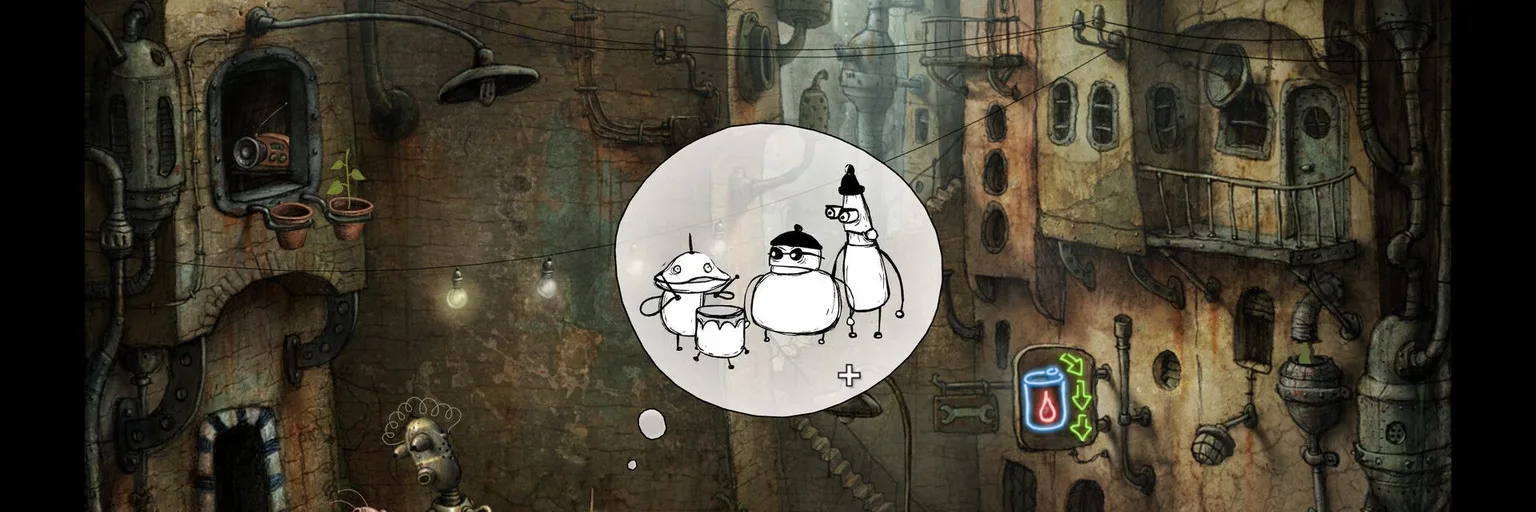
Amanita Design's announcement of Machinarium 2 after 17 years ignites a debate: will it truly innovate the point-and-click adventure genre, or is it a carefully crafted homage designed to evoke the cherished memories of its predecessor?
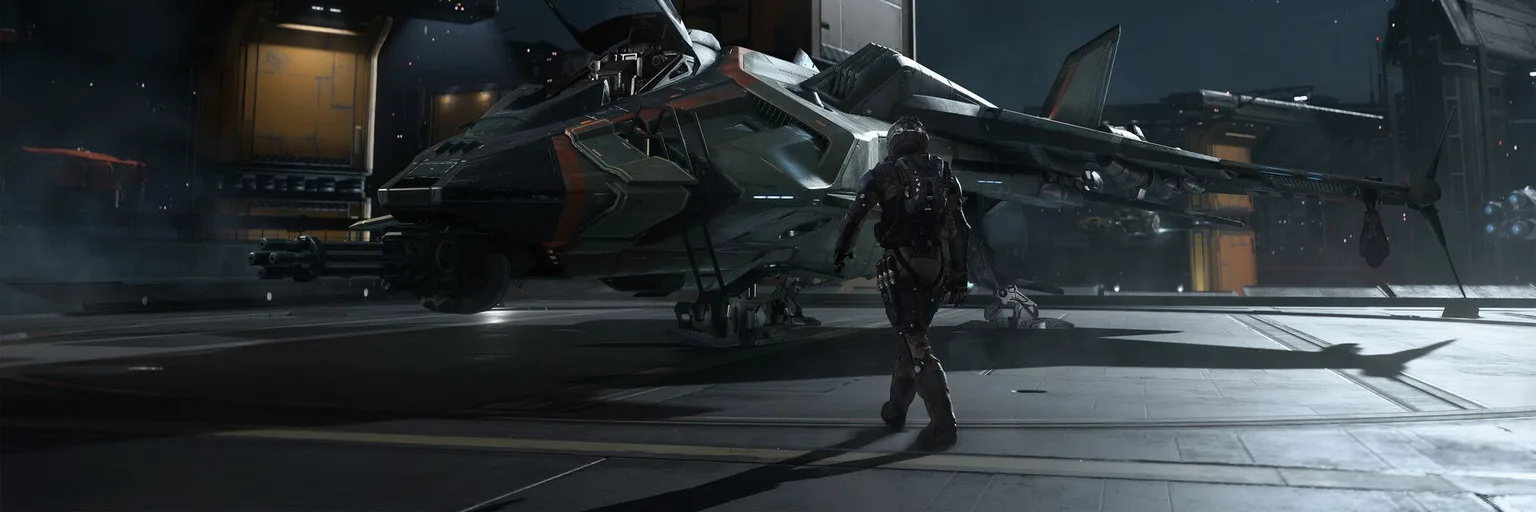
After years of development, Cloud Imperium Games has finally put Squadron 42 on Steam for wishlisting, alongside a new trailer, signaling a vital push to validate its long-awaited single-player vision.