Gamersfera Newsroom
EA's 25 classics are welcome, but a sale isn't preservation
Road Rash, Wing Commander and Ultima are back on Steam, GOG and the EA app, but a launch promotion proves nothing. The real test comes after the launch buzz fades.
Road Rash, Wing Commander and Ultima are back on Steam, GOG and the EA app, but a launch promotion proves nothing. The real test comes after the launch buzz fades.
S-Game's action RPG sold over four million copies in 72 hours. Western publishers shouldn't treat it as a curiosity: it's the second proof point in two years.
After 18 years of DRM-free installers, GOG offers the most practical answer to the ownership crisis. Praise is cheap; players should put their money where their backups are.
Charging up to $514 for an alpha of an extraction shooter whose Steam early access is slated for Q3 2027 stretches founder-pack logic. Treat it as a donation.
Steep console pricing, PlayStation's own PC releases and PC-first indie launches are pushing players toward PC. Consoles need openness, not nostalgia, to answer.
A PS5 that boots into Steam's interface shows how much silicon walled gardens leave idle. Sony will fight it, but the real lesson is about what players want.
When 41.67% of the new Steam releases Golem analyzed disclose AI use, disclosure stops being a warning and becomes wallpaper. It only helps if it tells players something useful.
A former Valve developer's rebuttal to Tim Sweeney exposes what the Steam-vs-Epic feud is really about: whether players get to know how their games are made.
Valve says "a significant number of people" are working on the AI slop problem at Next Fest, but curation is what Steam sells, and the answer so far is mostly "devs, fend for yourselves."
Asking developers to design around AI clones shifts the burden onto the victims. Steam should police copycats instead of handing out creative advice.
Tim Sweeney says Valve has held gaming back for years. The louder he gets, the more his argument sounds like a sales deck for Epic's ecosystem, not a neutral diagnosis.
Indie studios are canceling demos because AI can clone a game from a short clip. Their fear is justified, but silence will starve discovery, and the industry needs rules.
Modern Warfare 4's North Korean invasion plot is a hit in South Korea, and that's exactly why Activision should treat a live armistice as more than a backdrop.
Valve's calendar leaves Steam Labs as a permanent feature. It may tame the flood of releases, but it also makes wishlists and similar players the gatekeepers of attention.
AION 2 beat big 2026 launches on Steam, yet a "Mixed" review score and a per-server membership show why the next month matters more than the 400,000 peak.
A strong campaign and a surprisingly warm Steam reception are real signs of progress, yet the multiplayer test only starts today, and patience still looks like the smarter buy.
With a classic monster, AI bots, and a full UI overhaul, Damned 2's latest free update shows how continuous development is crucial for maintaining and growing a player base in competitive asymmetric horror.
The long-running heist franchise makes a bold move into virtual reality with a dedicated new entry, but can it truly revive its fortunes or will it remain a niche experience for VR enthusiasts?
While DroidDeck promises the allure of native PC games on Android, its real-world impact hinges on overcoming significant hardware barriers and demonstrating clear advantages over established streaming solutions.
Phantom Blade Zero's launch approach prioritizes market penetration and specific regional appeal with localized pricing and strategic demo releases, even as some localization choices spark debate.
Valve's new Achievement Sets, now in beta, finally decouple DLC from 100% game completion, addressing a long-standing frustration for players and setting a higher bar for platform engagement.
Valve's Deadlock is defying conventional wisdom, shattering pre-launch player records with an invite-only beta and proving that a gradual, strategic rollout can build unprecedented hype and engagement.
Epic Games' new AI-assisted launcher and the promise of Fortnite on Linux signal a bold, if risky, strategy to carve out a niche in the open-source gaming landscape and disrupt Valve's long-held stronghold.
Stardock's upcoming real-time strategy epic, Ashes of the Singularity II, arrives on November 10, 2026, with an ambitious vision for large-scale warfare, aiming to revitalize a genre navigating a crowded market and evolving player expectations.
By consistently offering a diverse array of temporary trials and permanent giveaways, Steam challenges traditional paid game acquisition, strategically attracting and retaining a massive player base.
NetEase Games' ECC: REDLINE introduces innovative mechanics like re-entry and in-match credit systems, signaling a bold attempt to carve a niche in the hyper-competitive free-to-play shooter market.
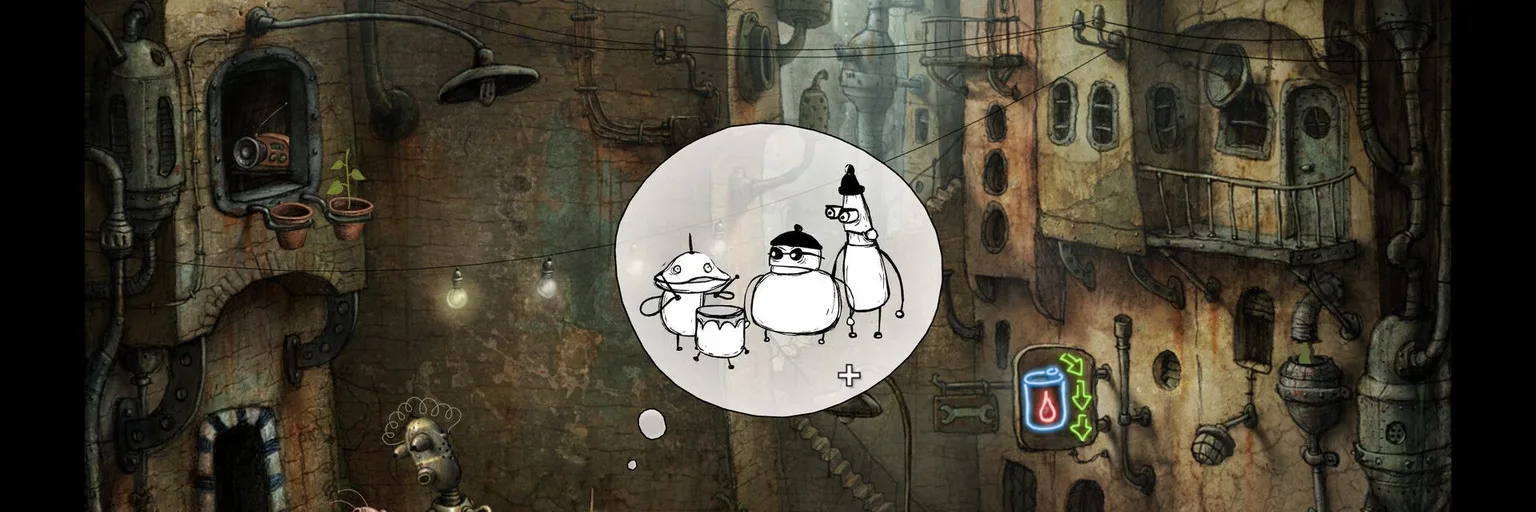
Amanita Design's announcement of Machinarium 2 after 17 years ignites a debate: will it truly innovate the point-and-click adventure genre, or is it a carefully crafted homage designed to evoke the cherished memories of its predecessor?
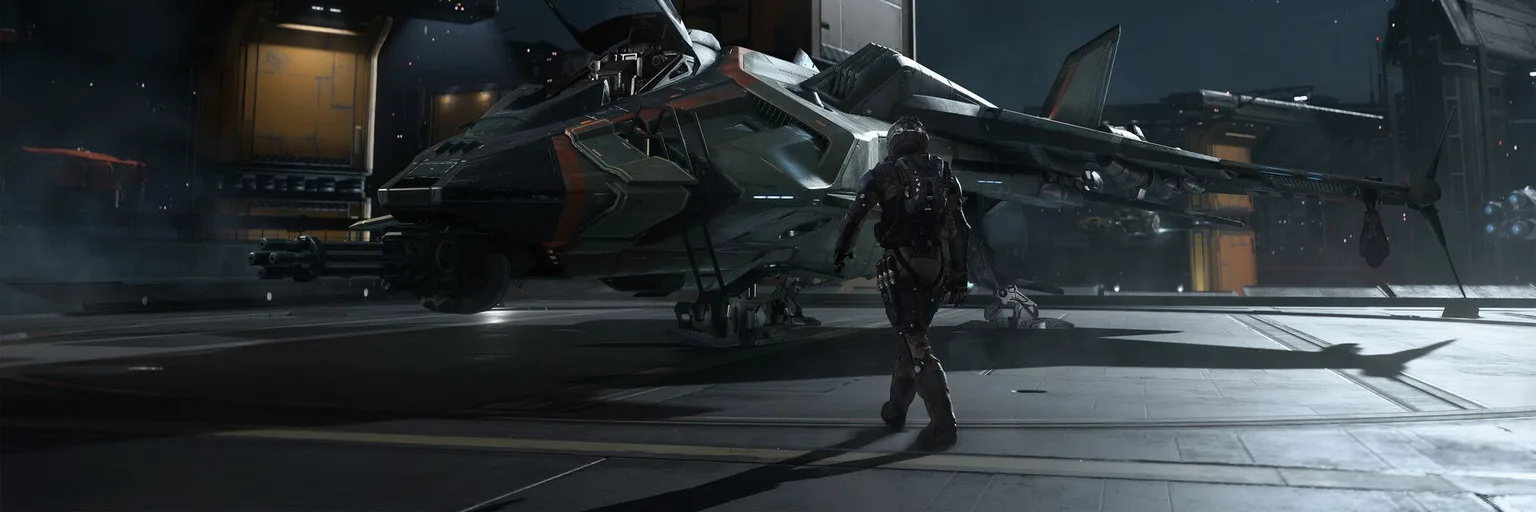
After years of development, Cloud Imperium Games has finally put Squadron 42 on Steam for wishlisting, alongside a new trailer, signaling a vital push to validate its long-awaited single-player vision.
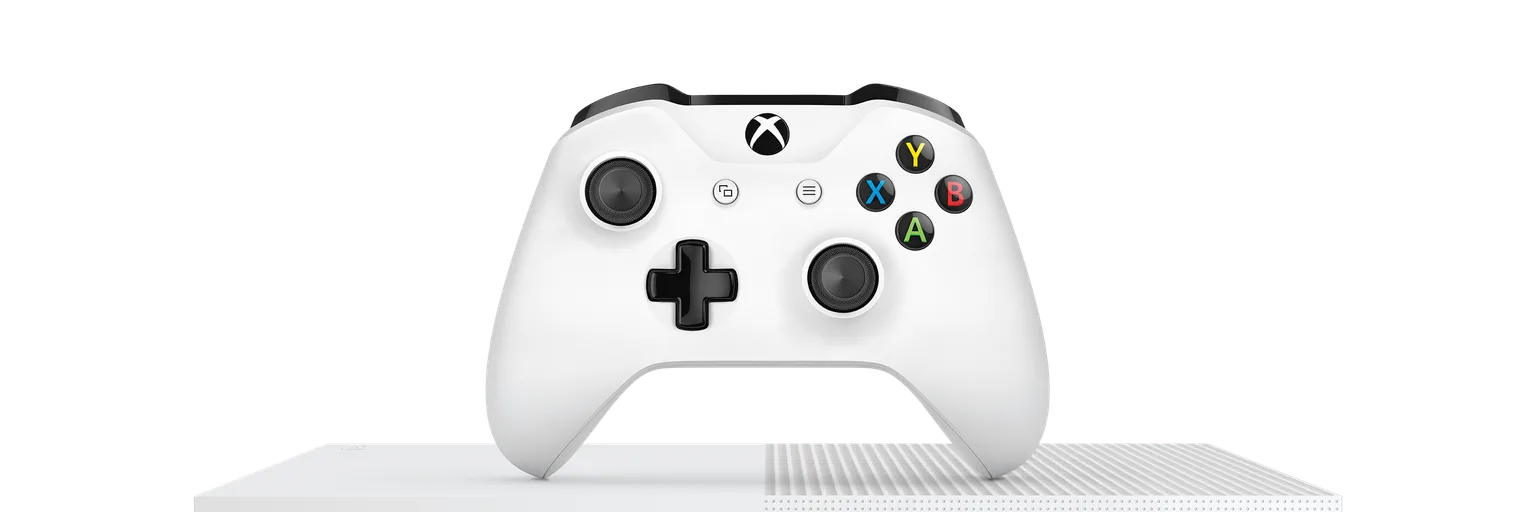
Microsoft's ambitious overhaul of the Xbox app for PC, codenamed Garrison, represents a critical strategic move to solidify its position in the competitive PC gaming landscape against rivals like Steam.
CD Projekt Red's free Remastered update for The Witcher 3, bringing significant enhancements, has reignited player engagement and sales, setting a new standard for preserving and enhancing gaming classics.
Valve's shift to a more algorithmic Daily Deal system promises expanded visibility for games but introduces new complexities, forcing developers to rethink how they capture player attention on the crowded platform.
The overwhelming success of Gears of War: E-Day's early access on Steam, shattering franchise records and driving significant revenue, proves that simultaneous PC launches are no longer optional for Xbox but essential for future growth and market dominance.