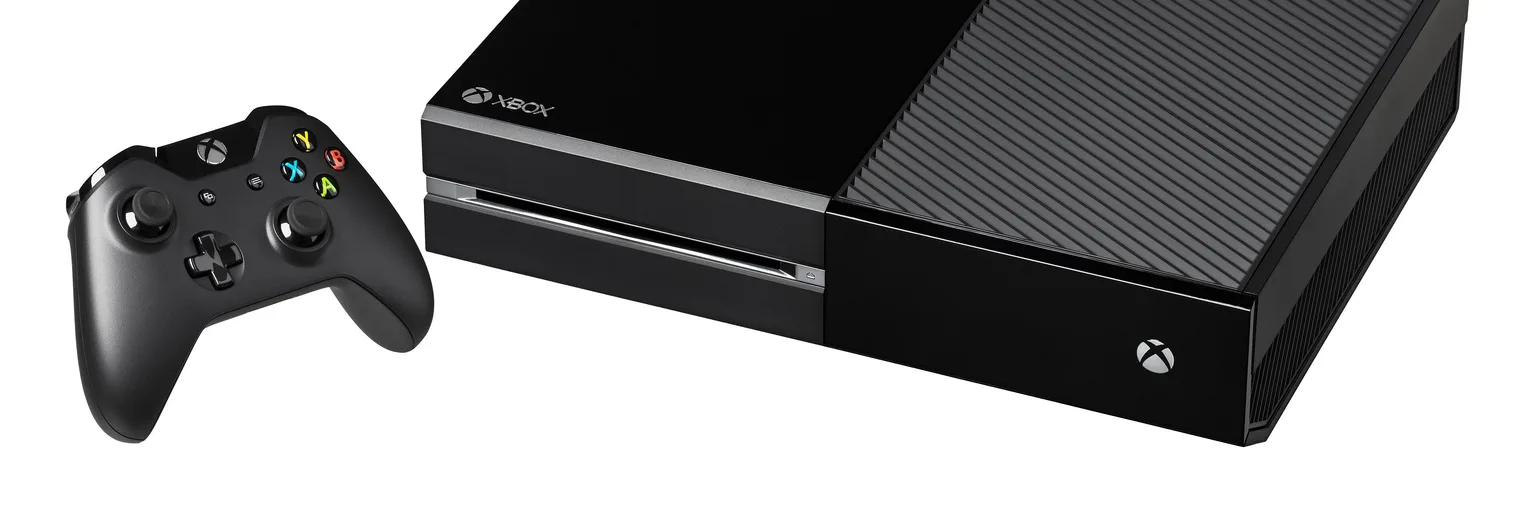
Harada is right about the Series S, but wrong about the fix
The Tekken veteran's complaint isn't about one cheap console. It's about a mandatory weaker baseline, and Microsoft should stop treating it as one before the next generation.

A 94% adoption figure and an Xbox executive's claim that AI holdouts don't belong in the industry show the debate is becoming a purity contest. Players need disclosure, not sides.
A playable Portal prequel from 2007 has leaked, and the real story is how porous Valve's archive is and whether a prequel could ever justify itself.
A strategy manager says AI is already part of game development at Xbox. The scandal isn't the admission; it's an industry that still expects players to guess where it's used.
A rescued Romero Games shooter shows how fragile publisher-funded studios are, and why a smaller team with a new backer beats a big plan that depends on one patron.
Epic's admission that engineers no longer write most of the code in Fortnite and Unreal Engine 6 is candid. It also leaves players with accountability questions the studio hasn't answered.
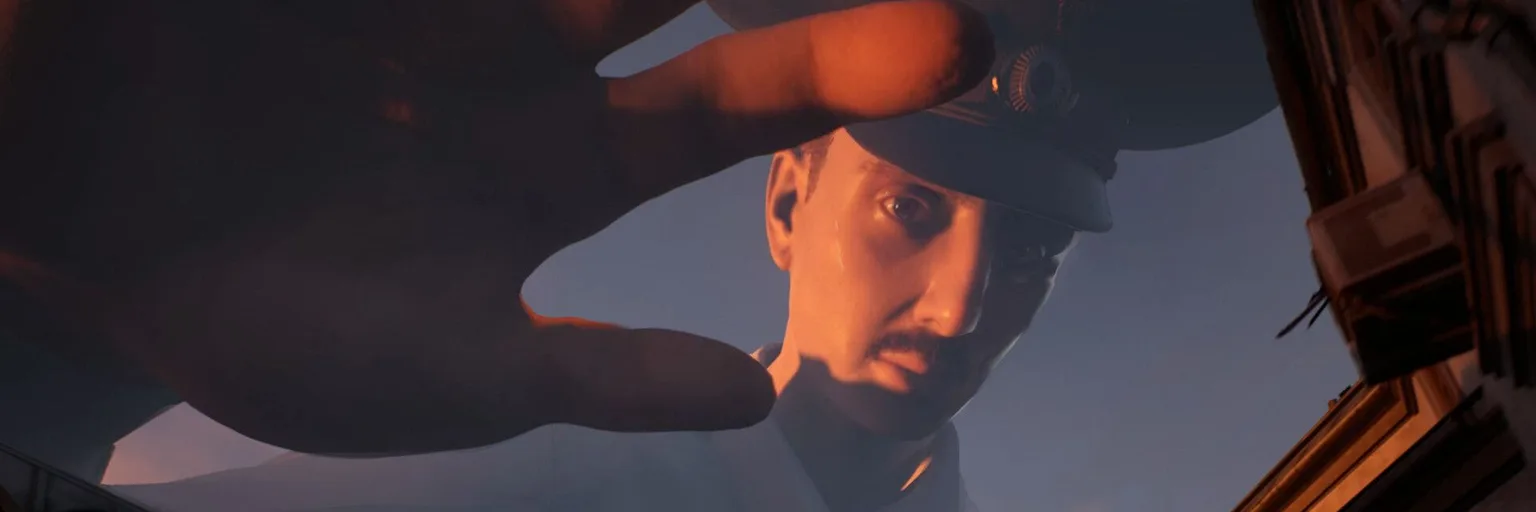
Three seconds of real news footage from a crowd crush that killed 159 people sit in a fictional war's intro. Activision should remove them and explain how they passed review.
Indie studios are canceling demos because AI can clone a game from a short clip. Their fear is justified, but silence will starve discovery, and the industry needs rules.
Rockstar says its next game won't take another eight years. It's the right instinct, but a studio built on obsessive detail will have to prove what it's willing to give up.
Dropping commercial fees on GMRT from 2027 wins indie goodwill and leans on Unity's wounds, but Godot is still free and consoles stay locked behind Enterprise.
Epic had to admit its own FAQ wrongly made AI mandatory. The bigger problem is a company pitching "ship in a weekend" to a developer community already wary of generative AI.
After 18 years, a report says the sequel is still in pre-production. The real issue isn't delay but a project allegedly too protected to fail, so Ubisoft should ship it or end it.
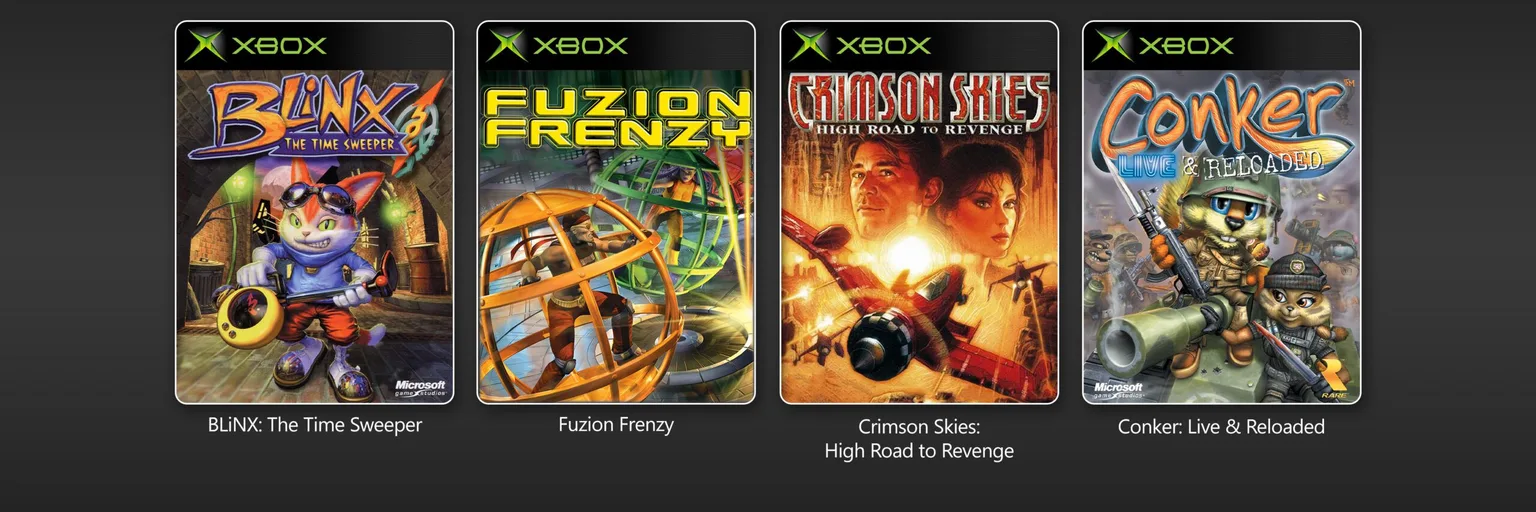
The French studio isn't just failing alone: the squeezed middle between indie and AAA is running out of room, and selective funding is the reason.
Update 2.5 puts mod.io inside the game menu on PS5, Xbox and Switch 2. CD Projekt Red's comeback is no longer about fixing a launch; it's about owning a long-lived platform.
A 2028 target may calm investors, but it also exposes the cost of modern AAA development—and raises the bar for Ciri’s genuinely new saga.
Star Wars could revive Bungie’s fortunes, but another massive multiplayer bet may deepen the exact portfolio risks the studio is trying to escape.
EA’s decision to close BioWare and cancel the next Mass Effect is a warning that ambitious, slow-burn RPGs no longer fit easily inside blockbuster economics.
Funcom says Dune: Awakening is entering a leaner post-launch phase, but the cuts reveal how brutally game development treats teams after the big release.
Epic says a “huge retooling” is underway for Fall Guys, but a technical reset alone will not restore a game whose biggest problem is lost momentum.
Netflix is not abandoning games, but its studio closures reveal a harder truth: streaming scale does not automatically create gaming credibility, quality, or engagement.
With a classic monster, AI bots, and a full UI overhaul, Damned 2's latest free update shows how continuous development is crucial for maintaining and growing a player base in competitive asymmetric horror.
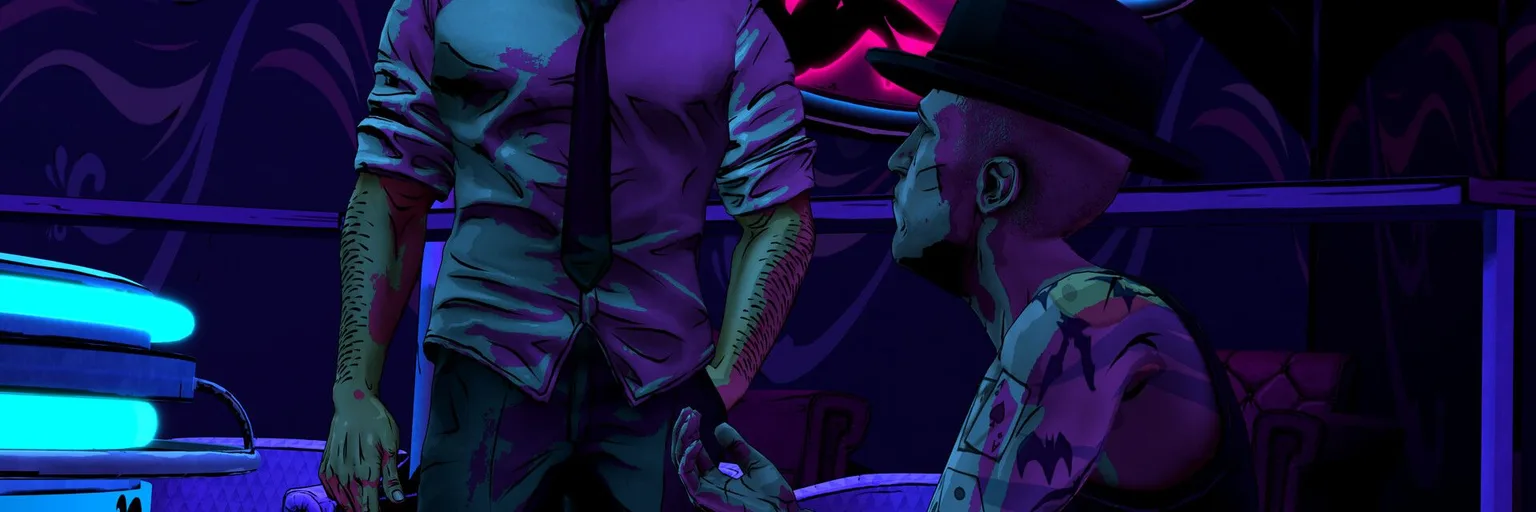
While other platforms gear up for launch, The Wolf Among Us Remastered's deferral on Nintendo Switch spotlights the unique and often demanding challenges of developing for Nintendo's evolving hybrid ecosystem.
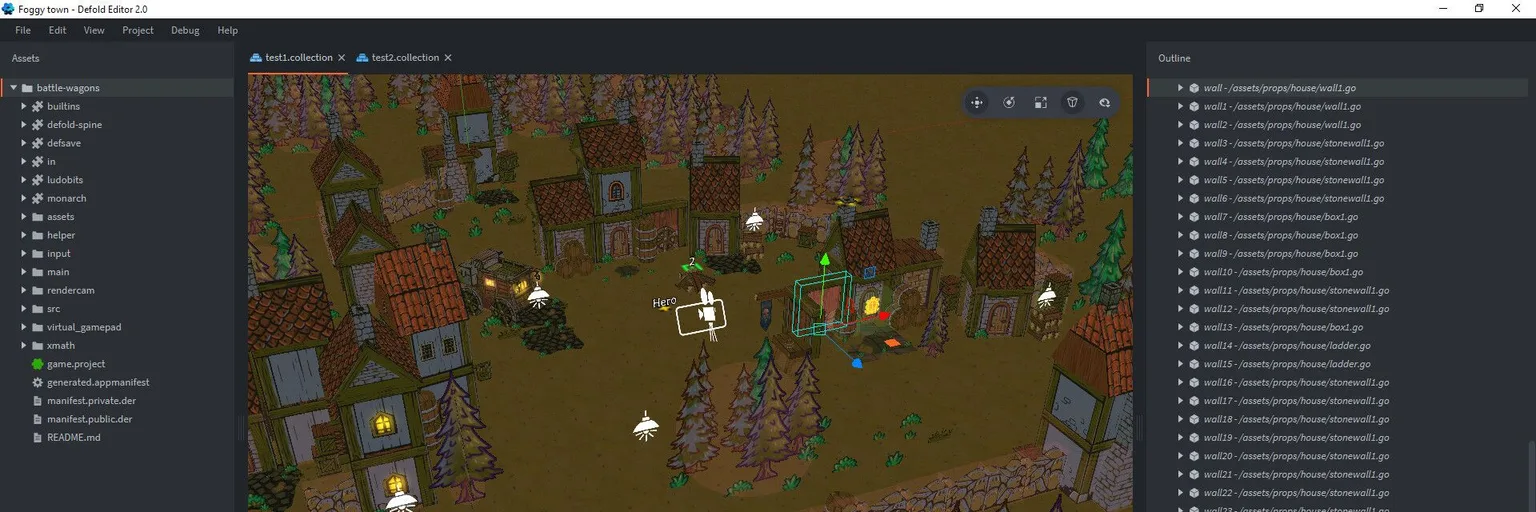
The Defold Engine's new official Xbox support could significantly democratize console game publishing for indie developers, yet its impact hinges on broader adoption beyond its established niche.
As 'Tennis for Two' celebrates its 68th anniversary, it serves as a powerful reminder that video games have a rich, pioneering history stretching far beyond our modern consoles and digital storefronts.
Bulkhead's swift and transparent response to the Season 2 tank exploit and team imbalance in Wardogs sets a vital precedent for competitive fairness and responsive game development.
Rebel Wolves' substantial 1.1 update for The Blood of Dawnwalker, introducing respec options and an accessible Story mode, demonstrates the crucial role of ongoing support for player satisfaction.
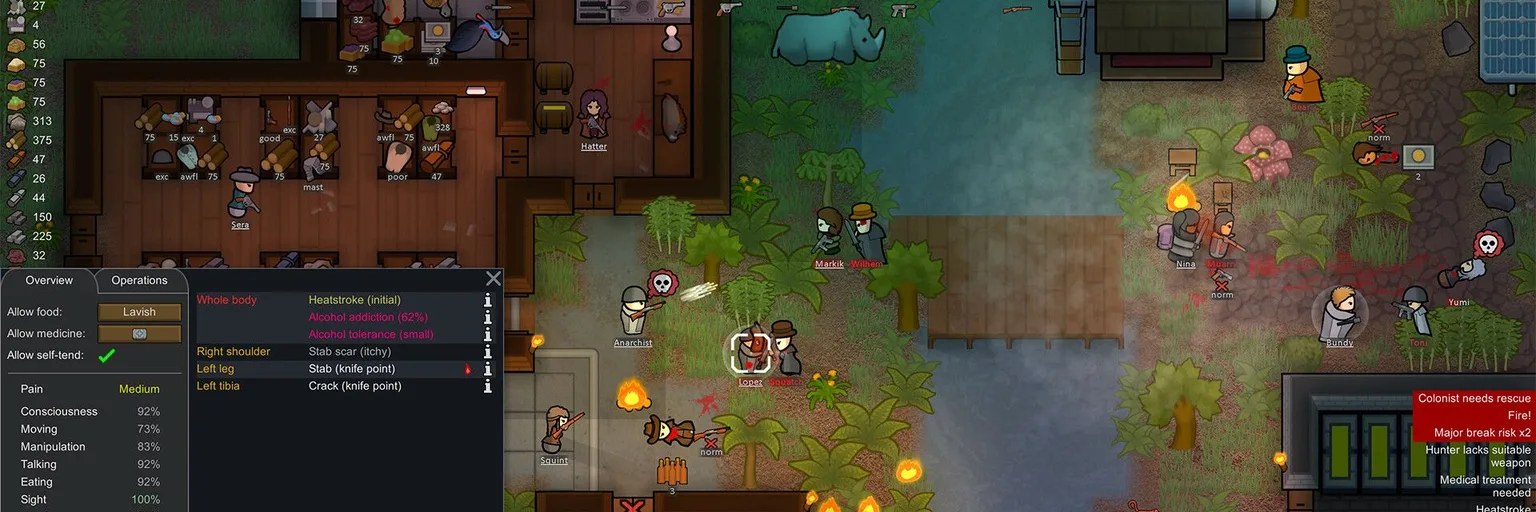
Game Freak's swift decision to end major update support for 'Beast of Reincarnation' just over two months after its launch casts a long shadow over their commitment to new intellectual property.
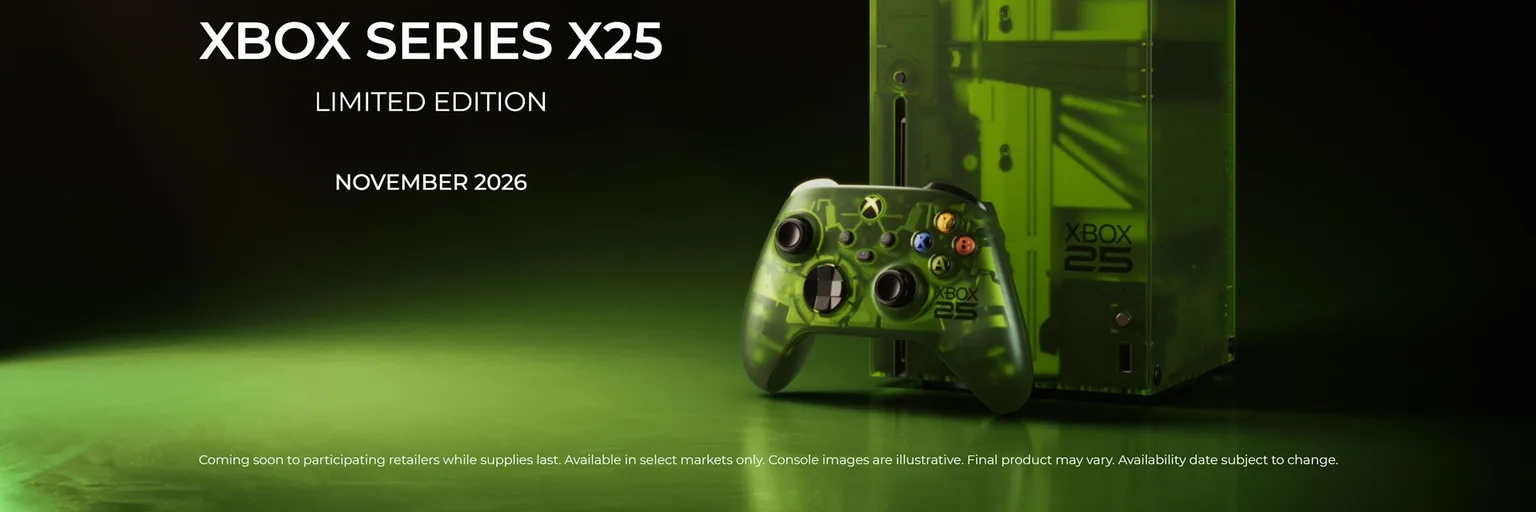
The long-awaited arrival of BeamNG.drive on PlayStation 5 is poised to redefine vehicular physics simulation on consoles, challenging traditional game design with its deep customization and open-ended sandbox experience.
Remedy's latest hit shatters sales records, unequivocally proving the vibrant commercial viability and enduring appeal of meticulously crafted single-player experiences in today's dynamic gaming landscape.
The rapid acceleration of AI-powered game cloning is forcing developers to reconsider public demos, threatening a crucial avenue for innovation and early engagement in the gaming industry.
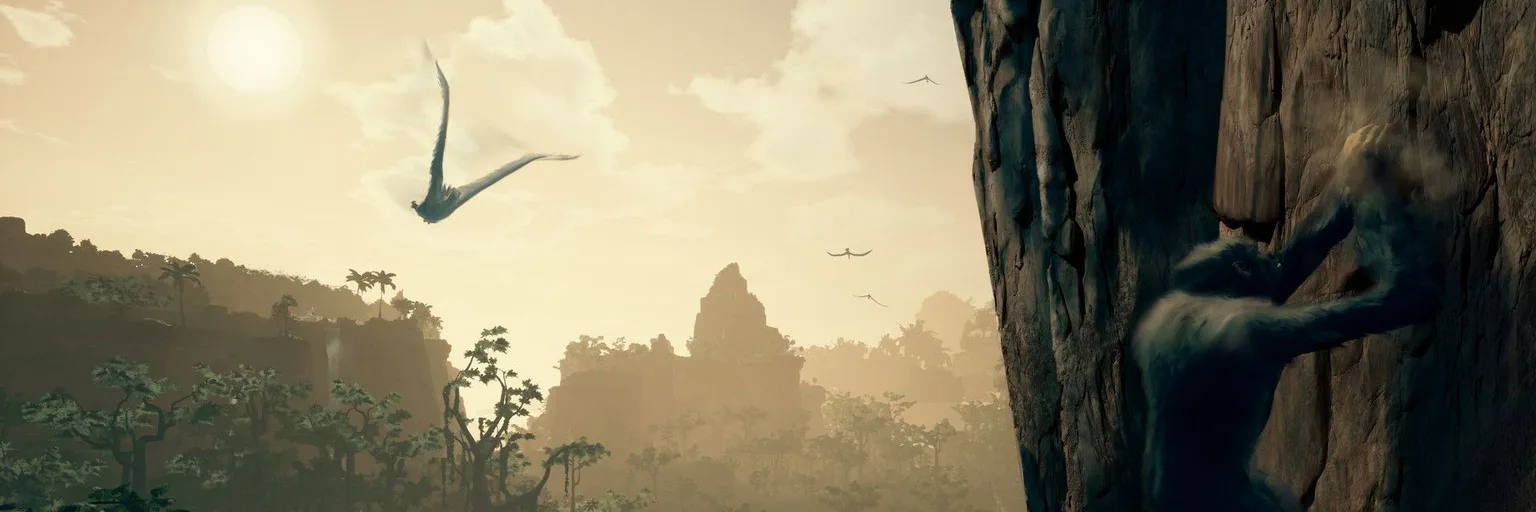
The contrasting fates of 'Ancestors: The Humankind Odyssey Remaster' and 'The Wolf Among Us Remastered' highlight the complex tightrope publishers walk when re-releasing titles in an ever-evolving market.
Despite industry growth, game developers, particularly indie studios, face an increasingly challenging landscape marked by market saturation, intense competition, and critical financial pressures.
Rockstar Games aims to shorten development cycles after the colossal Grand Theft Auto VI, a move that could transform AAA production or risk compromising the very quality players expect.
The rumored delay of the Splinter Cell remake to 2027, coupled with Ubisoft's enduring silence, highlights a critical challenge for studios: managing fervent fan expectations for long-anticipated reboots.
Microsoft's new Xbox Labs aims to revolutionize gaming with AI and new technologies, yet its foundation on existing R&D raises questions about whether it's truly groundbreaking or a shrewd re-packaging of ongoing efforts.
Ludeon Studios' move from Unity to its Waylith Engine for RimWorld not only promises remarkable performance gains but also signals a potential shift towards greater independence and optimization for game developers.
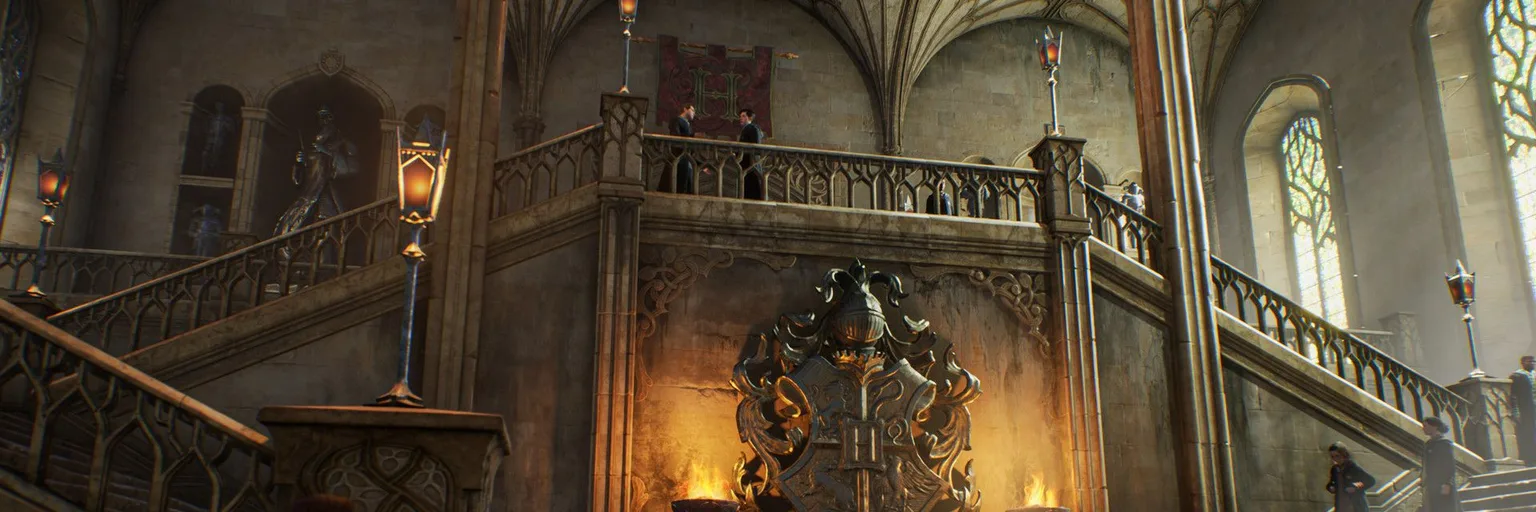
Warner Bros. has high financial expectations for 'Hogwarts Legacy 2', but without concrete gameplay details or a release date, the sequel faces immense pressure to innovate and exceed its predecessor's magic while navigating potential pitfalls.
The unexpected triumph of niche titles like 'Militsioner' and 'Hair Removal Salon Simulator' signals a pivotal shift, proving that bizarre concepts can capture hearts and challenge the long-held dominance of traditional blockbusters.
Microsoft's candid admission that publishing games on Xbox is overly complex signals a potential turning point, promising a more open and vibrant ecosystem for developers and players alike.
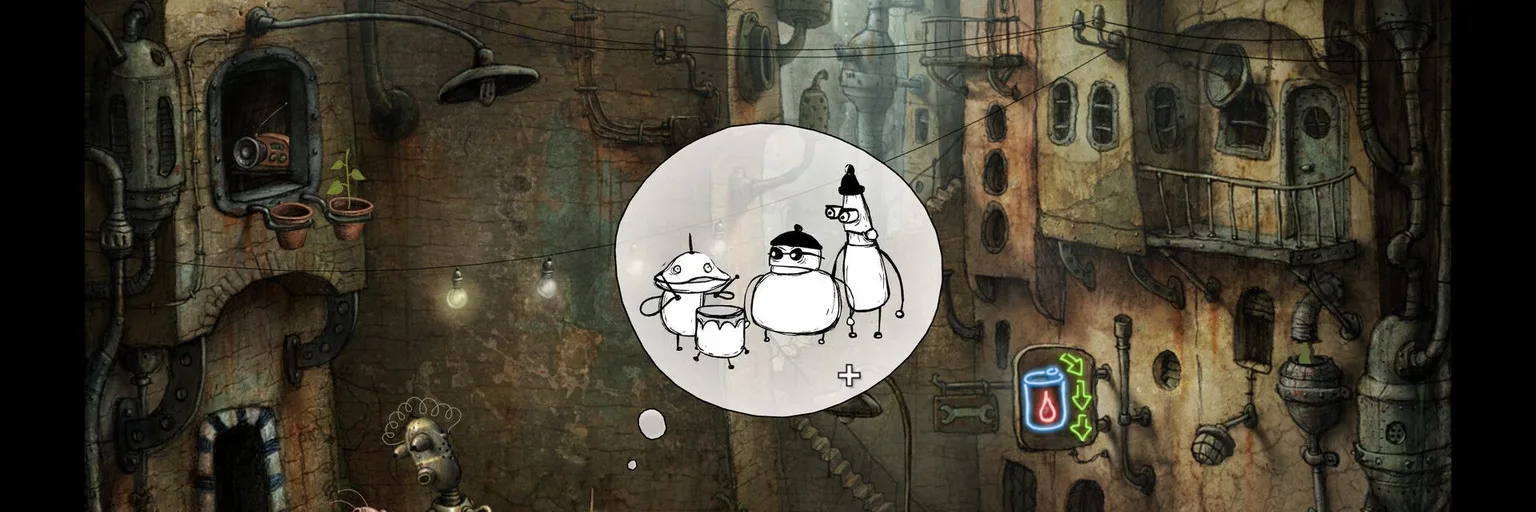
Amanita Design's announcement of Machinarium 2 after 17 years ignites a debate: will it truly innovate the point-and-click adventure genre, or is it a carefully crafted homage designed to evoke the cherished memories of its predecessor?