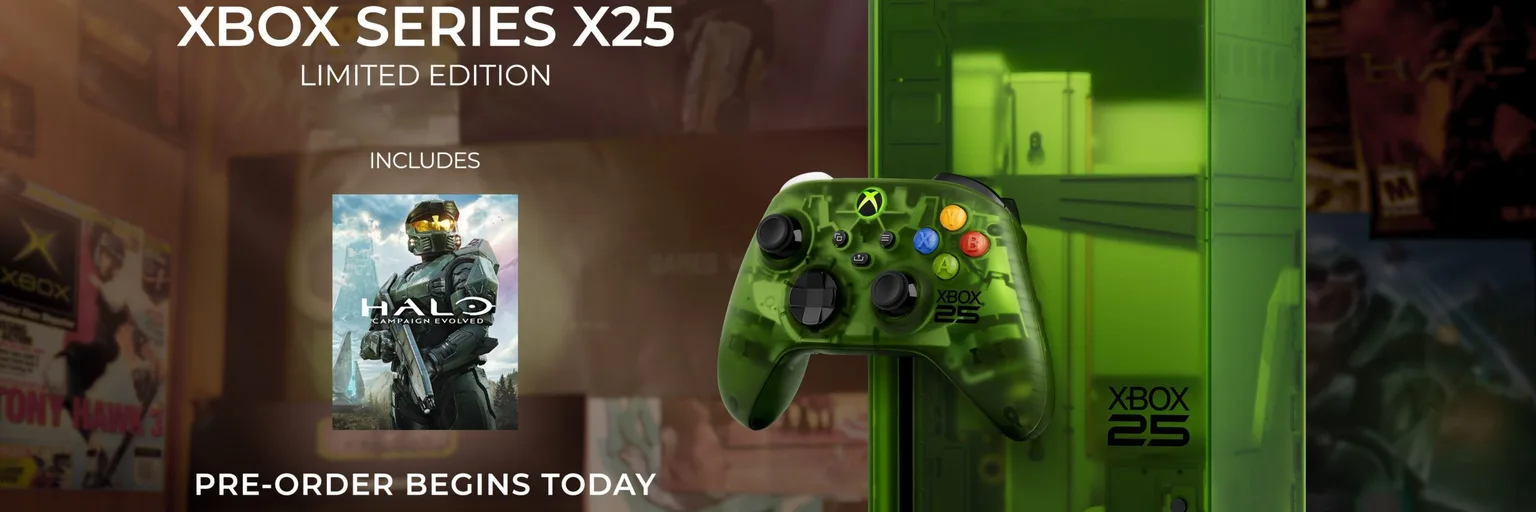
Xbox's "more demand than consoles" claim doesn't survive a 14% drop
Asha Sharma blames supply for falling console sales, but a 14% revenue drop despite higher prices points to a pricing and relevance problem Xbox has to own.
AI-generated image
If everyone is lining up for your product and you can't make enough of it, revenue goes up. That's the whole trick of scarcity. So when Xbox chief Asha Sharma says there is "more demand than consoles available" in the same earnings cycle that shows hardware revenue down 14%, someone has to explain the gap. So far, nobody has done it convincingly.
What was said, and what the numbers say
In Microsoft's first fiscal quarter, Xbox revenue fell 2% year over year, according to GamesIndustry.biz. The previous quarter was a 10% decline. Hardware revenue dropped 14%. Sharma framed the quarter as progress and wrote that "console sales remain constrained by supply, with more demand than consoles available." She added that an expanded refurbishment program is meant to get more consoles to players.
Part of her case is fair. The overall decline did narrow, and she cited records for Minecraft and World of Warcraft Forever, plus double-digit growth in PC platform revenue. We have no reason to doubt those figures. The trouble is the hardware sentence, because it is the one doing the explaining.
Scarcity doesn't look like this
Here is the awkward part. As Game Developer points out, hardware revenue fell even though the console's price went up. A supply-starved product with rising prices should post gains, not a double-digit slide. The same piece says cursory checks of retail stock, locally and nationwide, don't show the Series X or S as particularly hard to find.
In fairness, supply limits and revenue declines can coexist. If a part shortage were choking production, you'd sell less than you could. Game Developer notes that console prices seem to be rising because of a global memory shortage. But that's an argument for "we can't build enough," and it doesn't square with consoles sitting on shelves. Sharma can't have both a shortage and a console you can easily buy. Our reading is that this is spin: technically possible in a narrow sense, unpersuasive as a description of the market.
There is also a more charitable theory worth floating, and it is only a theory. Game Developer suggests shoppers may be buying early ahead of big releases, such as Grand Theft Auto VI, to beat further price increases. Even if that's true, it describes price-driven urgency, not organic hunger for the platform.
The long-term picture is the real tell
Zoom out and the demand story gets weaker. Circana's Mat Piscatella, as reported by VGChartz, says Xbox Series X|S lifetime US sales through 71 months are tracking 28% behind the Xbox One. For the first nine months of 2026, Series sales are 45% behind the same stretch of 2019 for the Xbox One. PS5, by contrast, is running about even with the PS4 over its lifetime.
That is not a console people can't get. That is a console fewer people are choosing. Sharma's own other talking points make the same case by accident: the wins she lists are Minecraft, a Call of Duty release, and PC growth. Those are things you can enjoy without buying an Xbox. We'd argue the strategy is already shifting toward software and PC, and the hardware line is being asked to cover for that.
What Xbox should do instead
Owning the problem is not a humiliating move. It is the credible one. Xbox is mid-restructuring, with a 20% workforce reduction and more layoffs expected in November and January, per GamesIndustry.biz. Its first-ever COO left after three months. Staff and fans are watching for a plain account of where the platform stands. A line that blames logistics invites exactly the scrutiny it got.
Microsoft's own CFO, Amy Hood, was blunter than Sharma: hardware revenue in Q2 should decline year over year. That's a forecast, not a result, but it fits a company that doesn't expect a supply-fueled rebound, even with a strong holiday lineup.
Our verdict: the supply claim is the weakest part of an otherwise improving quarter. Higher prices, a smaller audience than past generations and a hardware line that keeps shrinking all point to a problem of price and relevance. Xbox should say so, and then show what it will do about it: a sharper value proposition for the box, or an honest argument for why the box matters less than the platform. Until then, "more demand than consoles" will read as a slogan, and the next quarter's numbers will either prove us wrong or prove us right.
No topics yet: start the first one.
More stories
Celeste and TowerFall leaving Xbox shows the boycott's real cost
Delisting two beloved indie games is a principled act, but it signals Xbox is bleeding indie goodwill, and players and the studio are the ones paying for it.

Xbox's 'reset' report card: same grades, new teacher
Hardware revenue fell 14% again and content and services slipped 2%. Microsoft has to decide if consoles are a business or just a funnel for Game Pass.
Xbox's rival is TikTok? That's how you bury exclusives
Matt Booty says Xbox's biggest competition is TikTok and movies, not PlayStation. It's the clearest sign yet that exclusives are over for Xbox, and its identity is now the open question.

Xbox's $800M ask to Netflix shows why holding IP beats renting it
A reported $500M Netflix offer for Xbox adaptations collapsed amid a $300M gap. Owning franchises is one thing; getting paid for their screen future is another, so Microsoft should stay patient.