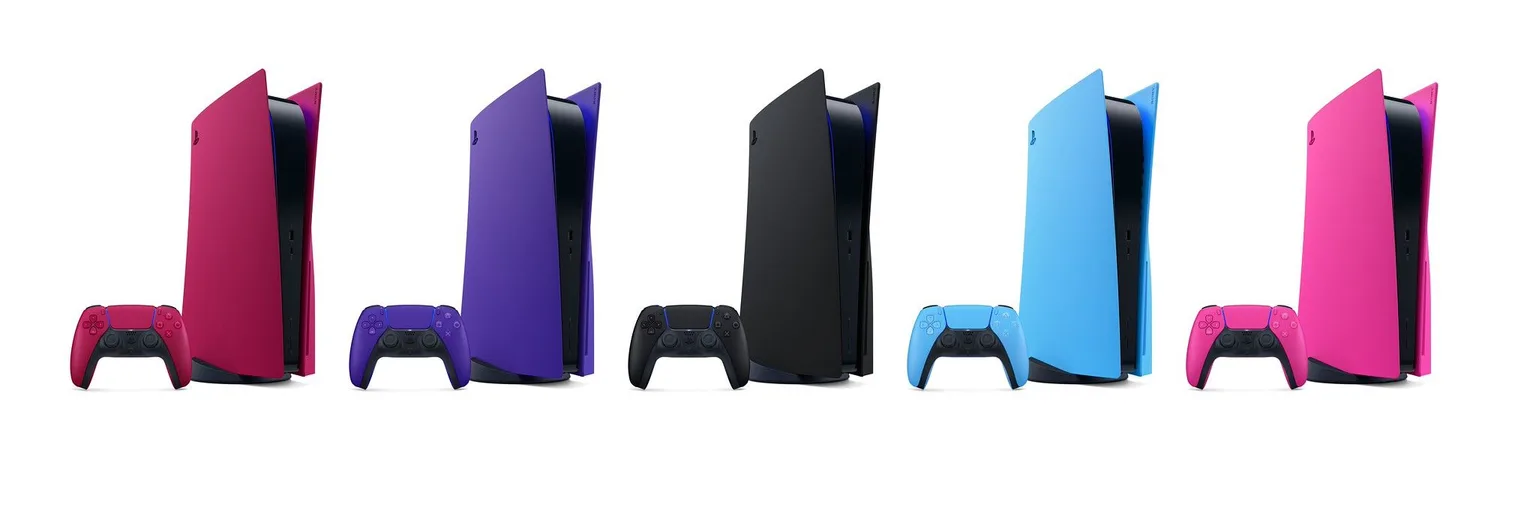
PS6's 10x ray tracing is a nice number. The price is the real spec
A leaked tenfold ray-tracing jump sounds huge, but without a price, power figures or games to show for it, it's marketing math. Cost is the real PS6 question.
AI-generated image
Ten times faster. Who wouldn't want that? The trouble with a number like that is how little it tells you about the thing you'd actually be buying, and the PS6 ray-tracing leak is a textbook case.
Here's what is on the table. IBTimes reports a leak claiming up to 12 times faster ray tracing than the original PS5, and it notes that Sony hasn't confirmed the alleged AMD specifications. Smartprix describes the source as an internal AMD document shared by Moore's Law is Dead, alongside claims of big AI upscaling gains and full PS4/PS5 backward compatibility.
That is a rumor, passed along by a leaker and repeated by outlets. Nothing here is a Sony announcement.
The multiplier keeps moving, and that's the tell
Look at how the figure shifts depending on who is repeating it. Some coverage says 10x, one says up to 12x, and TweakTown says the same leaker has spoken of somewhere between 5x and 10x for months. Another page puts it at 6x to 12x. A spec that stretches from 5 to 12 depending on the headline is a range of hopes, not a measurement.
Then there is the baseline. "Faster than the original PS5" is a comparison against a console that has been on shelves since 2020. Of course a new chip beats it. The useful question is what the jump looks like in a real game at a real frame rate, and no leak can answer that.
It's also worth noticing what the leak says about everything else. The same coverage points to a much more modest rasterization gain, 2.3 to 2.5 times according to GameGPU's summary, rising to about four times with PSSR upscaling. We'd argue that's the more honest picture. Ray tracing is the biggest bar on the chart because it started from the lowest point. A console that traces rays ten times faster but draws ordinary frames two or three times faster is a console built around a particular kind of image, not one that is ten times better.
A fast ray tracer still needs games that use it
Even if the figure holds, a multiplier doesn't make games. It makes headroom. Whether that headroom turns into something players can see depends on studios spending years building around it, and on the install base being large enough to justify the effort. Early in a generation, most big releases will still be designed for older hardware.
We think this is the underrated part of the story. Plenty of players today can't tell you whether ray tracing is on in their favorite game, and plenty switch it off for frame rate. Selling a console on a lighting technique is a bet that this changes. It might. But it's a bet, and the leak doesn't tell us which games would make it pay off.
There's also the unglamorous stuff the leak leaves out: power draw, heat, noise, and what a chip like this costs to make. Those are the numbers that decide whether a console is practical and whether it can be sold at a sane price.
Price is the number that will matter
Which brings us to the figure the spec-sheet crowd would rather skip. ShiftDelete says Sony hasn't set a release date and mentions an expected $1,000 price. Treat that as speculation, not a fact: it comes from an undated roundup of leaks and analyst guesses, and Sony hasn't said anything of the sort. Other roundups lean toward a 2027 to 2028 window, again based on rumor and on the gap between past generations.
But the logic holds even if the exact figure is wrong. Powerful silicon is expensive. If the ray-tracing leap is real, it has to be paid for somewhere, either in the retail price, in Sony's margins, or in features trimmed elsewhere. A console with spectacular lighting and a price that scares off the mainstream audience is a showcase, not a platform.
So here is our recommendation. Enjoy the leak as entertainment, and keep your wallet shut. Ignore the multiplier until there is a confirmed spec sheet, a price, and a game running on real hardware. If you want something to watch for, skip the ray-tracing bar and look for three things: what Sony charges, what the console draws from the wall, and which launch games make you forget about the settings menu.
A tenfold number is easy to print and hard to feel. The price tag will be the opposite.
No topics yet: start the first one.
More stories
Sony's PS Store pricing job ad is a warning players shouldn't shrug off
A Sony listing for a digital monetization chief points to more "Intelligent Pricing" on the PS Store. Players should push back before price roulette becomes normal.

A jailbroken PS5 running Steam is Sony's problem, and a verdict on closed consoles
A PS5 that boots into Steam's interface shows how much silicon walled gardens leave idle. Sony will fight it, but the real lesson is about what players want.
Phantom Blade Zero's wuxia pitch works, even if the flaws are real
Early critical takes point to fast, kung-fu-flavored action that feels distinct from another Souls clone, and its rough edges look like the price of ambition.
PS5 discs asking for updates: the disc is now a license key
Reports of PS5 disc games demanding a system update before launch are unconfirmed, but they expose how little "owning" a physical game means today. Sony should speak up.