Xbox's $800M ask to Netflix shows why holding IP beats renting it
A reported $500M Netflix offer for Xbox adaptations collapsed amid a $300M gap. Owning franchises is one thing; getting paid for their screen future is another, so Microsoft should stay patient.
Photo: Xbox / sala de prensa (uso editorial)
Is a $500 million offer too small for a catalog of Xbox franchises, or is it simply the price of a market that has gotten ahead of itself? The answer matters more than the headline suggests, because the reported collapse of this deal looks less like a failure than a statement of intent.
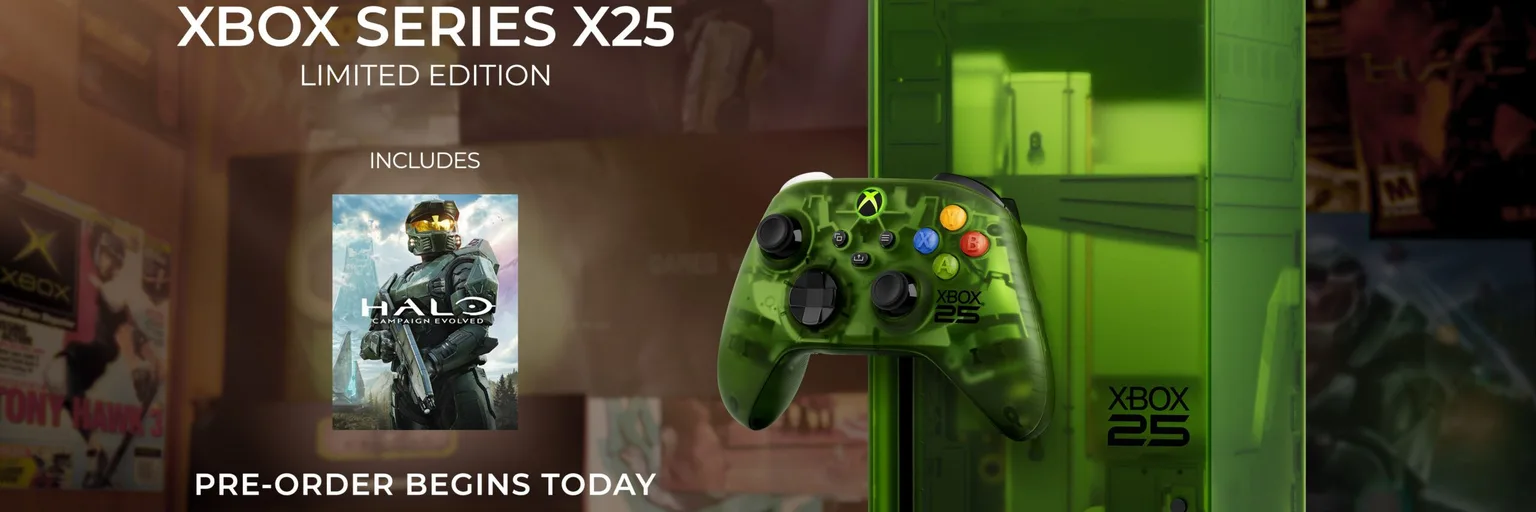
Here is what has been reported. According to an investigation by Puck, as summarized by Clubic, Netflix put $500 million on the table for seven years of exploitation rights over Xbox's most popular characters, with exclusivity for its platform. Microsoft reportedly countered with $800 million. The talks did not succeed. Treat all of this as unconfirmed: Netflix declined to comment, and Xbox did not confirm any figures. It only said it has received unprecedented interest in its properties and described Netflix as a trusted partner.
There is a second wrinkle. The Verge reports that Netflix pulled its offer, and Puck ties that to a shake-up at Netflix, including the departure of content chief Bela Bajaria in mid-October. Xbox is now said to be pursuing smaller deals with several partners instead of one giant exclusive.
Owning the franchise isn't owning the screen future
The comfortable assumption is that a company with famous worlds can name its price. This episode suggests that's only half true. A buyer's budget, internal politics and appetite all shape the outcome, and apparently one executive change was enough to evaporate a nine-figure offer. Having the IP gives you the asset. It doesn't give you a counterparty.
That's the uncomfortable lesson for Xbox, and the reassuring one too. If the report is accurate, the pricing gap of $300 million wasn't a misunderstanding. It was two different theories of value colliding. Netflix valued a bundle. Microsoft, we think, valued a scarcity it doesn't want to sell cheaply.
Seven years of exclusivity is a long time to be wrong
Look at the track record. Halo went to Paramount, launched in 2022, got a second season in February 2024 and was canceled that July. Meanwhile Netflix has built a real portfolio of game adaptations, with Arcane, Castlevania and Cyberpunk: Edgerunners among them. Adaptations clearly can work. They also clearly can fail, and when a bet fails inside a seven-year exclusive window, you can't take the characters elsewhere.
That's our core objection to the single-partner mega-deal. Hits and misses in this genre are hard to predict. A diversified approach lets Microsoft test different studios, tones and formats, and keep the best franchises available when the next creative team shows up with a better pitch. In our view, $500 million for that kind of lock-in looks less like a windfall and more like a discount on optionality.
The smart move is patience, with a few caveats
None of this means Xbox should be stubborn forever. Xbox itself says it is looking forward to the upcoming Minecraft and Diablo animated series made with Netflix, and a Gears of War film is reportedly in preparation there too. That's a healthy relationship, and it shows the door isn't closed. Smaller deals can keep the pipeline moving while the big franchises stay in reserve.
The risk is real, though. Asking $800 million only works if the screen business keeps rewarding premium game IP, and if Xbox can actually deliver projects people want to watch. Leverage can evaporate when a flagship live-action adaptation like Halo has been canceled and your buyer's leadership changes. Demand today doesn't guarantee demand in two years.
Verdict
Xbox should keep the leverage. Licensing quickly would have produced a big headline and a tied hand; negotiating in pieces produces slower news and better control. The one thing we'd ask of Microsoft is follow-through: if it's going to let half a billion dollars walk away, the projects it does greenlight need to justify the confidence. Otherwise the story won't be "Xbox held the line." It will be "Xbox missed the moment."
No topics yet: start the first one.
More stories
Xbox's COO lasted one quarter, and that says plenty about the plan
Helen Chiang's exit three months after Xbox created its first COO role doesn't prove chaos, but it makes the "reset" look far less settled than Microsoft wants us to believe.
Microsoft shopping a reportedly nearly finished Blade says plenty about Xbox
Closing Arkane Lyon while Marvel's Blade is reportedly almost done looks like balance-sheet logic. Oddly, a sale may still be the best ending the game can get.

Game Pass à la carte is overdue, but only if the cheap tier stays cheap
Splitting Game Pass into pick-your-feature add-ons could fix a bloated subscription, as long as the entry price holds and the full bundle remains the best deal.
Arkane Lyon's planned closure shows Microsoft treats studios as line items
Closing a studio while its game is reportedly nearly done is spreadsheet logic. Shopping Marvel's Blade to a buyer is the least bad exit, but only if Microsoft does it in the open.