GTA 6 sells a place, not a game: now the map has to earn it
A giant map and a score from Justice show Rockstar is pitching Leonida as a living world. Size is the easy part; density and pacing are what will decide whether it works.
Photo: Rockstar Games / Wikimedia Commons (Public domain)
Notice what Rockstar talks about when it talks about Grand Theft Auto VI. It isn't mission structure or a feature list. It's map size, interiors and a score long enough to fill a road trip. In our view, that's the pitch: this is a place you move into, not a game you finish.
Two announcements on October 29 made that very clear. First, in an Edge Magazine piece as relayed by ARY News, writer Simon Parkin describes Leonida's landmass as nearly as large as the playable maps of GTA IV, GTA V and Red Dead Redemption 2 combined, and co-development lead Aaron Garbut says the map has "an order of magnitude more interiors" than earlier games. Second, Rockstar and Justice announced that Grand Theft Auto VI: Original Score arrives December 11, about three hours of music that, per the announcement, is dynamically tuned to game events. The game itself launches November 19, 2026 on PS5 and Xbox Series X|S at $79.99.
Music is how you sell a place
Games have used famous soundtracks for decades. This is different in scale and intent. There is a 34-track companion album with a long list of pop, rap and rock names, and a separate score album on top of it. Justice's Xavier de Rosnay said the game's scope, "so large geographically and thematically," demanded music that was broad in emotions, genres and textures. Take that at face value and the logic is plain: you don't hire an electronic duo with a Grammy and a Coachella closing set to underline a cutscene. You do it to give a state its own sonic identity.
That is why we think the score matters more than the headline suggests. A score that reacts to how players treat the people and places of Leonida is a promise about simulation, not decoration. It says the world is meant to have moods. Whether those moods feel authored or merely looped is something nobody outside Rockstar can judge yet, and we won't pretend otherwise.
Bigger is the cheapest claim to make
Here is where we get skeptical. Map size is the easiest number in games to print and the hardest to make meaningful. Even the sources celebrating it hedge: Screen Rant notes that size isn't everything and that filling all that space with interesting activities gets harder as the map grows. There's also visible debate over how Rockstar compared landmass with its past games, and some outlets cite different multiples, so we'd treat any single "X times bigger" figure with caution.
What would convince us is the other half of the Edge story: a world where a nearby house has signs of NPCs and families living in it, and where, as reported, you can go anywhere from the start without finishing missions. Kotaku's headline claims Rockstar even made the world slower than GTA 5's to accommodate the detail. If true, that's a revealing trade-off, and probably the right one. A huge map traversed at breakneck speed is just a longer loading screen. A dense one traversed deliberately is a place.
What to expect, and what to do
Our verdict: Rockstar has earned the benefit of the doubt on atmosphere and not yet on pacing. The soundtrack strategy, the interiors and the sandbox freedom all point the same way, toward a game designed to be lived in. The risk is the familiar one for any giant open world: a vast stretch of Leonida that looks gorgeous and does nothing.
Our advice is simple. Ignore the multiplier wars, and don't judge the game by the comparison charts that will flood feeds for the next three weeks. Watch for reviews that describe how the first ten hours of wandering actually feel, not how big the map is on paper. If the density holds, Rockstar will have sold exactly what it promised. If it doesn't, the best score in the world will be playing over empty streets.
No topics yet: start the first one.
More stories
A Mouthwashing movie only works if it refuses to comfort us
Sony has the rights and Karyn Kusama is attached to direct, but the real test is whether a film can keep the game's cruelty and guilt instead of selling digestible, spooky space horror.
A subtitle won't pay off Elder Scrolls 6's years of silence
Reportedly called Sentinel, Elder Scrolls 6 may finally get a name, but a name isn't a game. Until Bethesda shows real gameplay, skepticism is the healthy default.
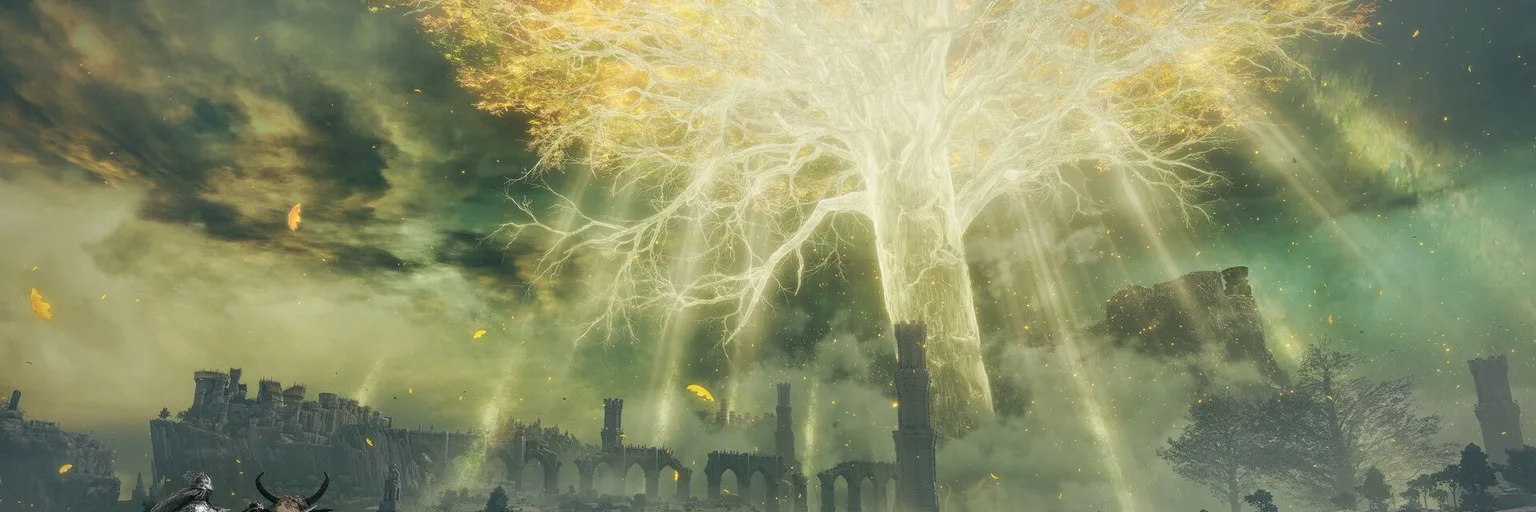
A $200M Elden Ring film only works if it refuses to explain itself
A24's record budget turns a game adaptation into a blockbuster-scale bet. The money isn't the risk: the temptation to explain Miyazaki's opacity is.
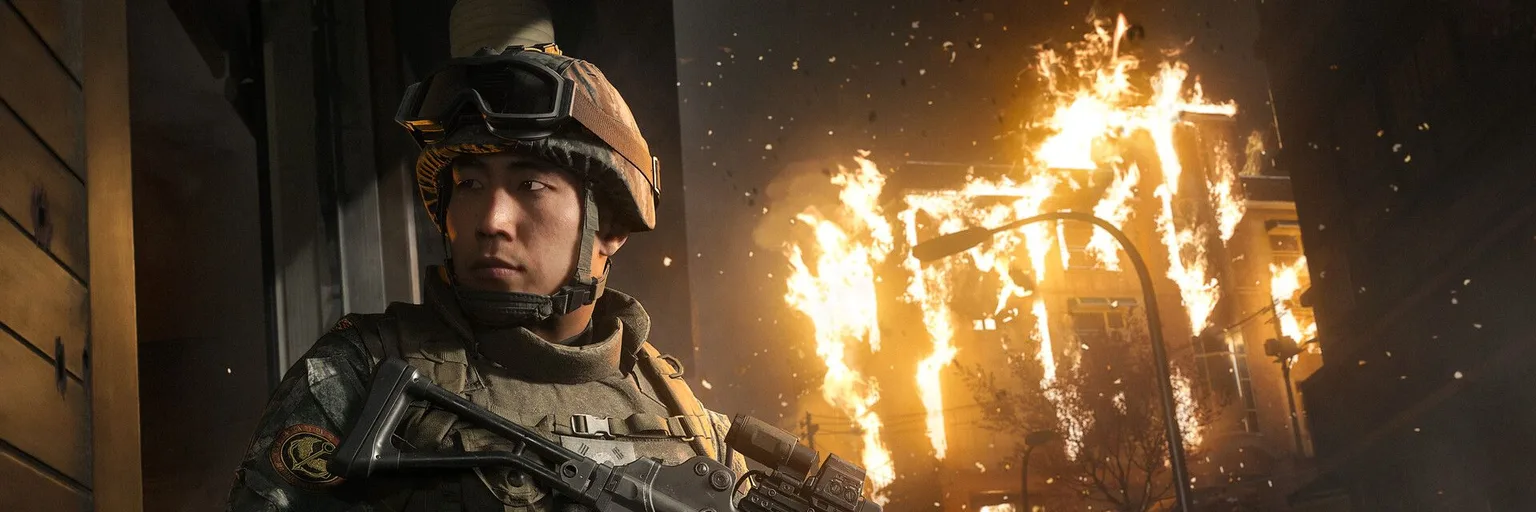
Real Itaewon footage in Modern Warfare 4 isn't realism: pull it
Three seconds of real news footage from a crowd crush that killed 159 people sit in a fictional war's intro. Activision should remove them and explain how they passed review.