Valve admits Next Fest has an AI problem. Admitting isn't fixing
Valve says "a significant number of people" are working on the AI slop problem at Next Fest, but curation is what Steam sells, and the answer so far is mostly "devs, fend for yourselves."
AI-generated image
Can a storefront that says it doesn't want to be a gatekeeper still call itself a showcase? That is the question Valve now has to answer after a Next Fest that players, and a good part of the press, described as drowning in AI slop.
What Valve actually said
At Steam Indie Connect in Korea, Valve's Marc Wilkinson and Tom Giardino took questions from developers. As Destructoid reports, Wilkinson explained that Next Fest shows games on a virtually random basis for the first two days, then switches to personalized recommendations. His line: "We recognize that the trade-off is some low-quality games get exposed." He added: "We are fully aware of the situation, and a significant number of people are thinking about how to solve this problem."
The scale is not small. As IGN reports, roughly 17% of Next Fest demos disclosed generative AI use last year, this year was likely higher, and the event hosted over 8,000 demos. On cloning, Giardino said "we don't want to be gatekeepers telling developers which tools they should or shouldn't use," and advised devs to keep adding features and personality.
"You only read the first two days" is not a defense
Wilkinson's argument, as reported, is that the complaints came from the random-exposure window. Technically that may be true. But that is also the window when the press writes about the event, and, we'd guess, when plenty of players form their first impression. Defending the event by pointing at day three is like defending a restaurant because the dessert was fine.
The randomness has a reason: Valve says it prevents developers from gaming the algorithm. Fair. But that is a design choice, and the cost of it lands on players' trust. When the shelf looks like a landfill for the first two days, people stop browsing. In our view, a demo festival lives or dies on the promise that opening a random page is worth your time.
Curation is the product, and "hands-off" has an expiry date
Game Developer notes that Valve has been hands-off on curation since 2018, when it decided to allow everything except what it deemed illegal or "straight up trolling." That made sense in a world of manual shovelware. Generative AI changes the unit economics: producing junk now looks nearly free, while reviewing it still costs attention. A neutral policy in that environment is not neutral; it quietly favors whoever can flood the zone.
To be fair, there is a defensible line in Giardino's stance. Banning tools is a blunt instrument, and Steam already requires AI disclosure. But disclosure is a label, not a filter. Players were reportedly asking for a way to hide AI-made games, and nothing in Valve's remarks suggests that is coming. Filtering by disclosure, throttling low-effort submissions in the random pool, or weighting demos by some quality signal would not "limit developer access." They would be exactly the "smarter and more dynamic platform" Giardino says is the starting point of Valve's philosophy. We'd love to see that philosophy applied to the festival first.
The burden is landing on the wrong people
The weakest part of the Korea session was the advice for victims of cloning. Kotaku argues that "continuous improvement" is a luxury for developers who already have money in the bank, and we think it has a point. Some indies reportedly face extortion emails threatening AI clones. Giardino said it was the first time he'd heard of that, and suggested it was a matter for law enforcement. Fine, but a platform that profits from indies should not sound surprised.
Verdict
Credit where due: saying "we're aware" beats silence, and a "significant number of people" working on it is at least a promise. But it is only a promise. Our recommendation to Valve is simple: ship something visible before the next Next Fest, whether that's an AI filter, a quality gate on the random pool, or something we haven't thought of. To players: use wishlists and wait for day three. To developers: don't count on the shelf protecting you. That last part is the real problem.
No topics yet: start the first one.
More stories
Intel's after-hours plunge is a warning flare for PC gamers' wallets
Intel blames a memory crunch and a PC slump for its weak outlook. We think that means pricier, scarcer rigs for gamers for at least the next year, not a quick fix.
Steam's AI labels aren't politics: they're basic respect for players
A former Valve developer's rebuttal to Tim Sweeney exposes what the Steam-vs-Epic feud is really about: whether players get to know how their games are made.
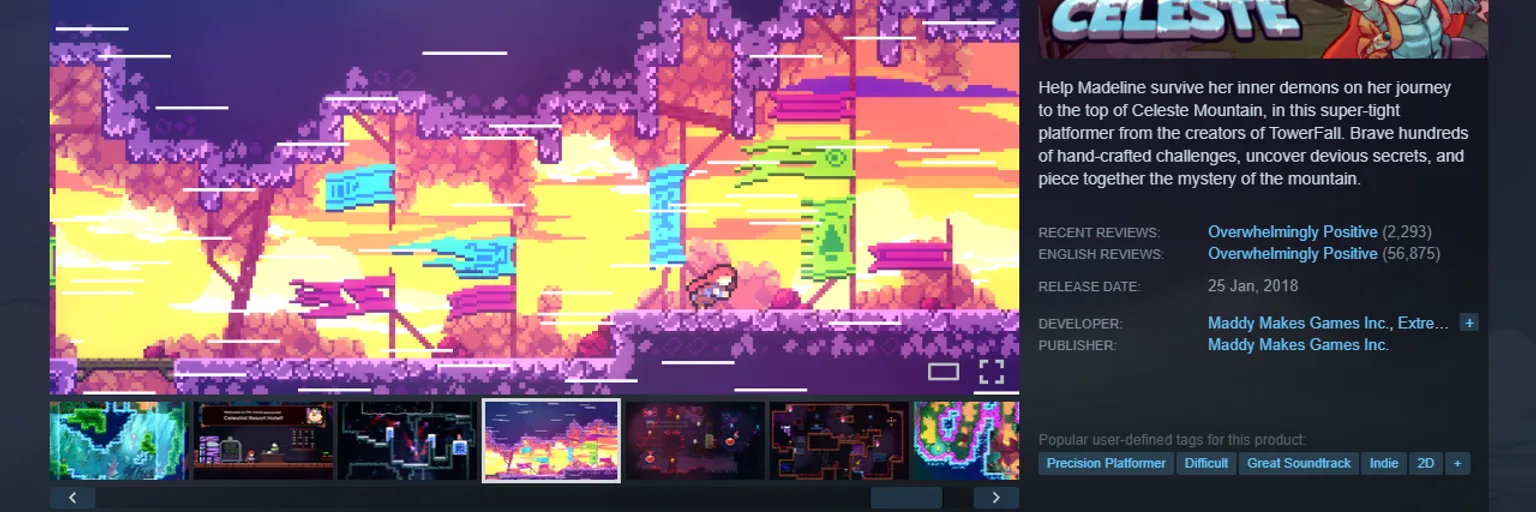
Valve tells indies to be less copyable. That's backwards
Asking developers to design around AI clones shifts the burden onto the victims. Steam should police copycats instead of handing out creative advice.

Sweeney's Steam crusade is really a pitch for Epic's own walled garden
Tim Sweeney says Valve has held gaming back for years. The louder he gets, the more his argument sounds like a sales deck for Epic's ecosystem, not a neutral diagnosis.