The White House keeps borrowing Zelda, and publishers should stop shrugging
A White House AI video posted the day the Ocarina of Time remake debuted shows how little control publishers have over their IP, and why staying silent is a risky strategy.

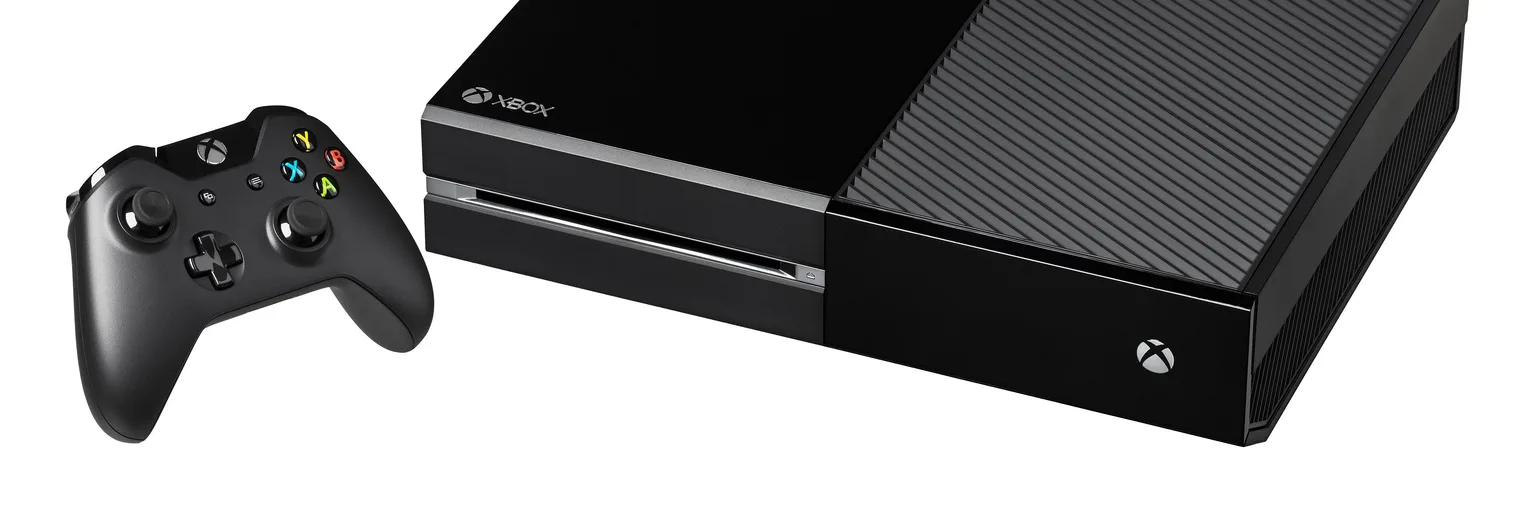
A 94% adoption figure and an Xbox executive's claim that AI holdouts don't belong in the industry show the debate is becoming a purity contest. Players need disclosure, not sides.
Anthropic's block on Claude recreating existing games is a rare, welcome stand for developers, but 'inspired by' is too blurry for a server-side rule to police well.
A strategy manager says AI is already part of game development at Xbox. The scandal isn't the admission; it's an industry that still expects players to guess where it's used.
When 41.67% of the new Steam releases Golem analyzed disclose AI use, disclosure stops being a warning and becomes wallpaper. It only helps if it tells players something useful.
A former Valve developer's rebuttal to Tim Sweeney exposes what the Steam-vs-Epic feud is really about: whether players get to know how their games are made.
Epic's admission that engineers no longer write most of the code in Fortnite and Unreal Engine 6 is candid. It also leaves players with accountability questions the studio hasn't answered.
Valve says "a significant number of people" are working on the AI slop problem at Next Fest, but curation is what Steam sells, and the answer so far is mostly "devs, fend for yourselves."
Asking developers to design around AI clones shifts the burden onto the victims. Steam should police copycats instead of handing out creative advice.
Tim Sweeney says Valve has held gaming back for years. The louder he gets, the more his argument sounds like a sales deck for Epic's ecosystem, not a neutral diagnosis.
Indie studios are canceling demos because AI can clone a game from a short clip. Their fear is justified, but silence will starve discovery, and the industry needs rules.
If memory costs push next-gen consoles past four figures, the industry owes players more than specs. Until then, the best protest is the PS5 you already own.
The PlayStation creator says AI and servers could make consoles unnecessary. We think that's less a forecast than a test: ownership, latency and exclusives are what's left to defend.
Epic had to admit its own FAQ wrongly made AI mandatory. The bigger problem is a company pitching "ship in a weekend" to a developer community already wary of generative AI.
Brandon Stirrup’s vanished X account does not prove a cover-up, but it exposes why Xbox and the wider game industry need clearer AI disclosure.
The rapid acceleration of AI-powered game cloning is forcing developers to reconsider public demos, threatening a crucial avenue for innovation and early engagement in the gaming industry.
NVIDIA’s RTX Spark platform, with its ARM-based architecture and Blackwell GPU, brings groundbreaking AI capabilities to Windows laptops, but its gaming proposition, though advanced with DLSS 5 and anti-cheat, faces significant hurdles that keep it from being a clear win for all players.
Epic Games' new AI-assisted launcher and the promise of Fortnite on Linux signal a bold, if risky, strategy to carve out a niche in the open-source gaming landscape and disrupt Valve's long-held stronghold.
Microsoft's new Xbox Labs aims to revolutionize gaming with AI and new technologies, yet its foundation on existing R&D raises questions about whether it's truly groundbreaking or a shrewd re-packaging of ongoing efforts.
The insatiable demand for AI-specific memory has disrupted global RAM supply, ensuring that gamers will grapple with escalating hardware costs well into 2028 and potentially beyond.
The widespread emergence of AI-generated game mashups and their associated debate, coupled with developer Level-5's recent controversy, expose a challenging future for intellectual property, artistic integrity, and player trust in video games.
While corporate platforms consolidate and AI tools promise to automate creativity, Newgrounds' enduring relevance proves the indispensable power of a genuinely community-driven hub for independent artists and developers.
Nvidia's market cap nears an unprecedented $6 trillion, fueled by AI dominance. This historic rise, however, creates a stark dichotomy for gamers: cutting-edge tech increasingly out of reach.