The White House keeps borrowing Zelda, and publishers should stop shrugging
A White House AI video posted the day the Ocarina of Time remake debuted shows how little control publishers have over their IP, and why staying silent is a risky strategy.
Anthropic's block on Claude recreating existing games is a rare, welcome stand for developers, but 'inspired by' is too blurry for a server-side rule to police well.
Switch 2 exclusives are booting on PC and iPhone barely a year after launch. Nintendo's hardware lock no longer protects its games, so the question is how hard it hits paying players.
Pocketpair's CEO says he'd love to bring Palworld to Switch 2 while Nintendo sues his studio, and it reads less like a plan than a message: the lawsuit hasn't made the game untouchable.
A jailbreak and AI-assisted recompilations are reportedly bringing Nintendo games to PC, Mac and iPhone just before Zelda. Lawyers will help, but the console must be the answer.
Indie studios are canceling demos because AI can clone a game from a short clip. Their fear is justified, but silence will starve discovery, and the industry needs rules.
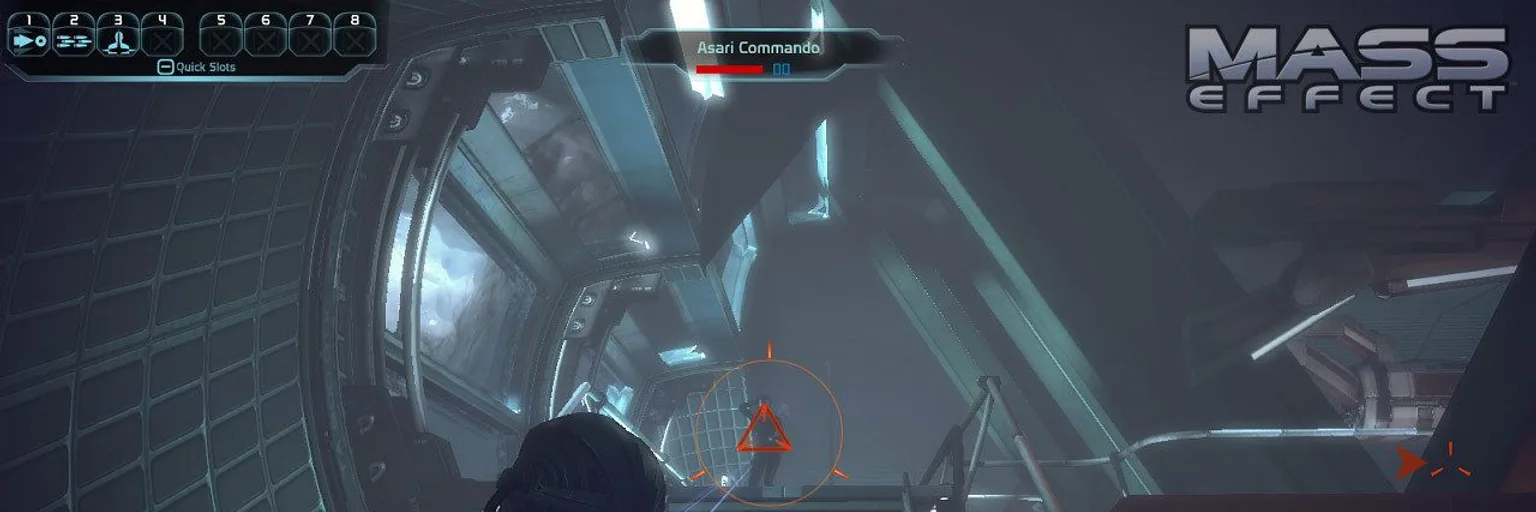
With BioWare shut and Mass Effect 5 cancelled, the petitions and the support from voice actors and veterans show what the IP is worth. EA's track record suggests it will sit on it.
A reported $500M Netflix offer for Xbox adaptations collapsed amid a $300M gap. Owning franchises is one thing; getting paid for their screen future is another, so Microsoft should stay patient.
Game Freak's swift decision to end major update support for 'Beast of Reincarnation' just over two months after its launch casts a long shadow over their commitment to new intellectual property.
The rapid acceleration of AI-powered game cloning is forcing developers to reconsider public demos, threatening a crucial avenue for innovation and early engagement in the gaming industry.
Konami's ambitious strategy to flood the market with new Silent Hill games in successive waves might finally restore trust, but it risks diluting the very essence that makes the horror franchise so iconic.
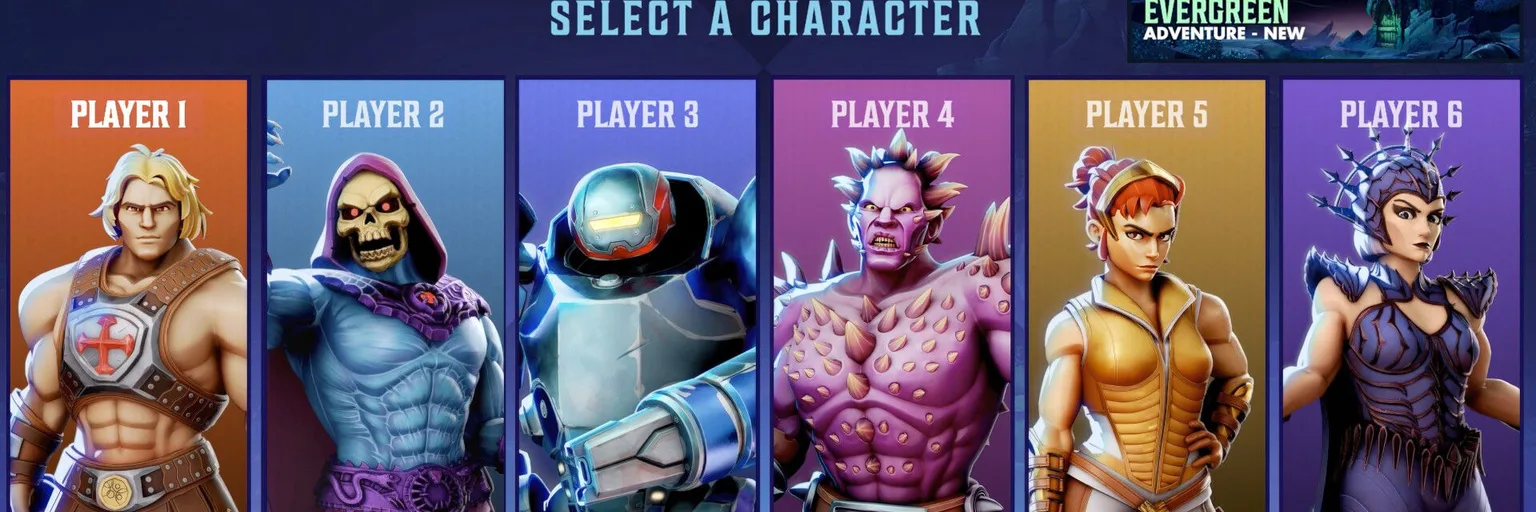
The upcoming He-Man and the Masters of the Universe: Dragon Pearl of Destruction faces the challenge of engaging new audiences while honoring its 80s cartoon legacy.
The expansion of beloved anime like Attack on Titan into live musicals and symphonic concerts signifies a strategic transmedia evolution, cementing anime's global cultural dominance and adaptability.
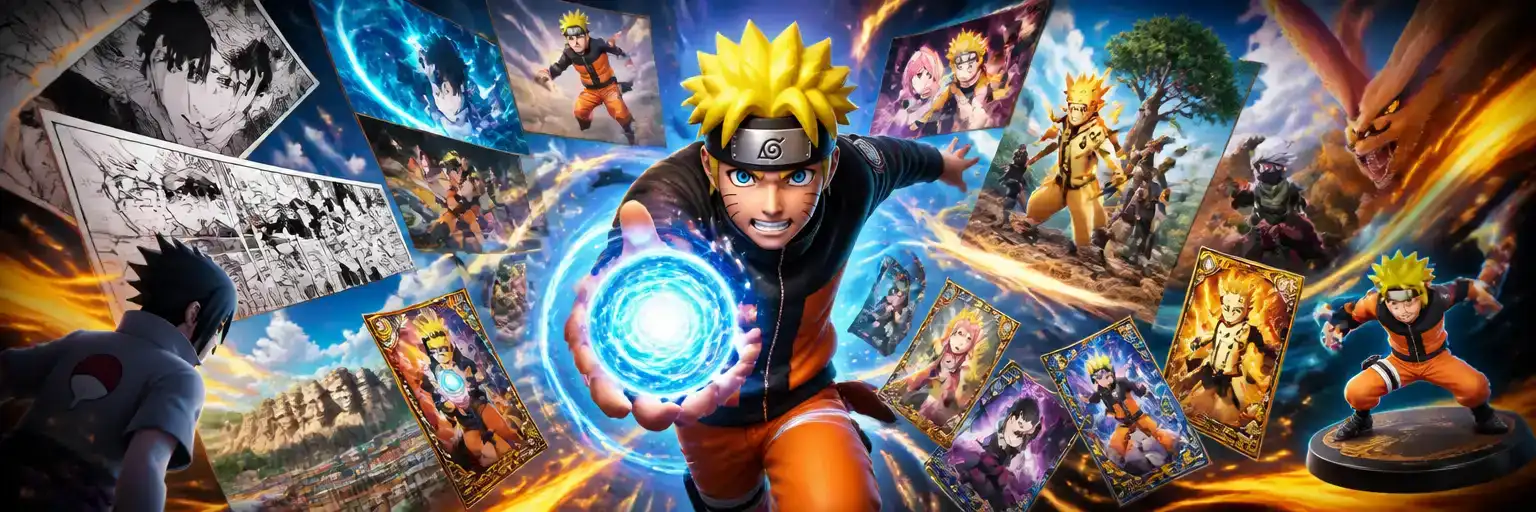
The surprise announcement of a new Naruto anime series and the ambitious 'Project Rasengan' signal a carefully orchestrated, multi-year plan to re-establish the franchise's dominance across all media, with gaming poised to play a central role.
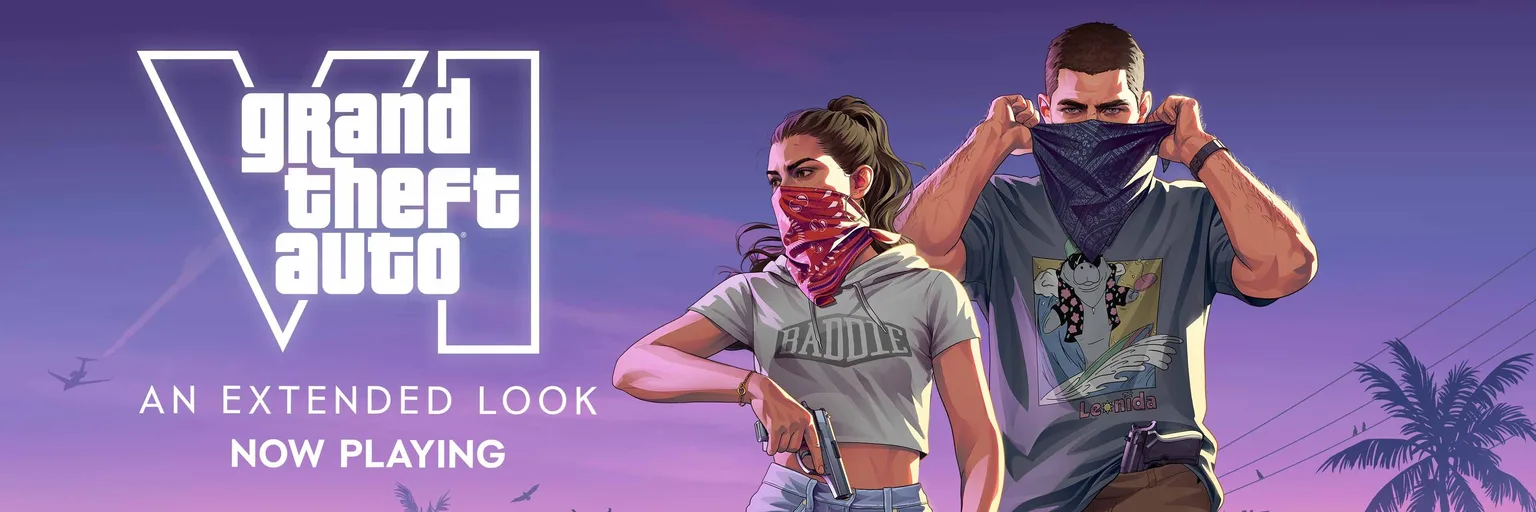
The relentless flood of GTA VI leaks, including a recent 25-minute gameplay video with extensive spoilers, signals a calculated, brazen campaign by Cyberleek that threatens to derail Rockstar's carefully planned launch and player experience.
The surprising collaboration between Mintrocket's cozy RPG and Unknown Worlds' deep-sea survival horror is a strategic move that sets a new precedent for how indie and AAA games leverage crossovers to expand their universes and appeal to new audiences.
While Cdiscount lists Grand Theft Auto VI for Switch 2, Nintendo's non-committal response and focus on its unique ecosystem reveal a strategy where direct competition with Rockstar is secondary to its exclusive IPs.
The integration of Paramount Games Studio and WB Games under the new Skydance banner is more than a corporate reshuffle; it’s a blueprint for a consolidated gaming future driven by iconic franchises and a battle for player engagement across all media.
While film and TV adaptations dominate headlines, indie hits like Hollow Knight possess rich lore and massive success, making them prime candidates for diverse transmedia expansions that extend their universe.
The widespread emergence of AI-generated game mashups and their associated debate, coupled with developer Level-5's recent controversy, expose a challenging future for intellectual property, artistic integrity, and player trust in video games.