Game Pass à la carte is overdue, but only if the cheap tier stays cheap
Splitting Game Pass into pick-your-feature add-ons could fix a bloated subscription, as long as the entry price holds and the full bundle remains the best deal.
Photo: Xbox / sala de prensa (uso editorial)
Is the problem with Game Pass that it costs too much, or that everyone pays for things they never touch? A new report suggests Microsoft has decided on the second diagnosis, and honestly, it's not a crazy one.
Here is what we know, and it's all unconfirmed. Fortune reported, citing people familiar with the strategy, that Xbox is planning an overhaul in which players "choose features à la carte," including add-ons for console-only games, cloud gaming and multiplayer, on a tiered structure. The wording is vague, and as Pure Xbox notes, it remains to be seen how it will shape up. It lands alongside the already announced time limits on Xbox Cloud Gaming for members, with extra time sold as an optional add-on.
The bundle was always a compromise, and it shows
Game Pass grew by stacking things: games, online play, cloud streaming, day-one releases. Someone who plays only on a console and never streams is, in effect, subsidizing a feature they don't use. Someone who only streams is paying for a library they can't install. Unbundling those pieces is logical, and in our view it's closer to housekeeping than betrayal.
There's also a business reason, and Fortune's reporting, as IGN quotes it, is blunt: Game Pass helped build a subscription business but also cannibalized sales of higher-priced first-party games, especially at launch, while teams chased competing metrics like subscription revenue versus store revenue. Add-ons are one way to make that tension less brutal. They could let Microsoft price the expensive parts of the service according to who actually uses them.
The danger is the "cheap" tier becoming a decoy
This is where we get nervous. À la carte menus have a famous trick: the base price looks friendly, then everything you actually want is an extra. If multiplayer, the thing many console players consider basic, ends up as a paid add-on, the headline price becomes fiction. Pure Xbox itself wonders whether this simply means ticking boxes while the price rises accordingly, and that is the right question.
So our test is simple. First, the entry tier must be genuinely cheap, cheap enough that it attracts people who have been priced out. Second, the full bundle must cost less than the sum of its parts, clearly and visibly. If buying everything à la carte costs about the same as, or less than, the top tier, the top tier is pointless. If it costs far more, then Microsoft has quietly raised prices and called it choice.
Why this could still work
Context matters. IGN notes that the new Xbox CEO, Asha Sharma, has been on the job barely six months and has already cut the price of Game Pass Ultimate. That's a data point, not a promise, but it suggests the goal isn't only squeezing more out of subscribers. Cloud limits with purchasable extra time also hint at a model where heavy users pay more and light users pay less. That can be fair, if the thresholds are generous.
The risk is complexity. Others feared that splitting features would complicate the subscription, according to a NeoTeo summary of the debate. They have a point: the appeal of Game Pass was always "one price, everything." Every extra checkbox erodes that.
Our verdict
We'd back the idea and distrust the execution until we see numbers. Unbundling a bloated service is overdue. But Microsoft should treat the bundle as the hero product: the best deal, easy to understand, and the obvious choice for anyone who plays a lot. If the cheap tier is a real entry point and the top tier is a real discount, à la carte is a fix. If not, it's just a longer receipt. Until Microsoft confirms anything, treat all of this as a rumor, and don't change your subscription over it.
No topics yet: start the first one.
More stories
Arkane Lyon's planned closure shows Microsoft treats studios as line items
Closing a studio while its game is reportedly nearly done is spreadsheet logic. Shopping Marvel's Blade to a buyer is the least bad exit, but only if Microsoft does it in the open.
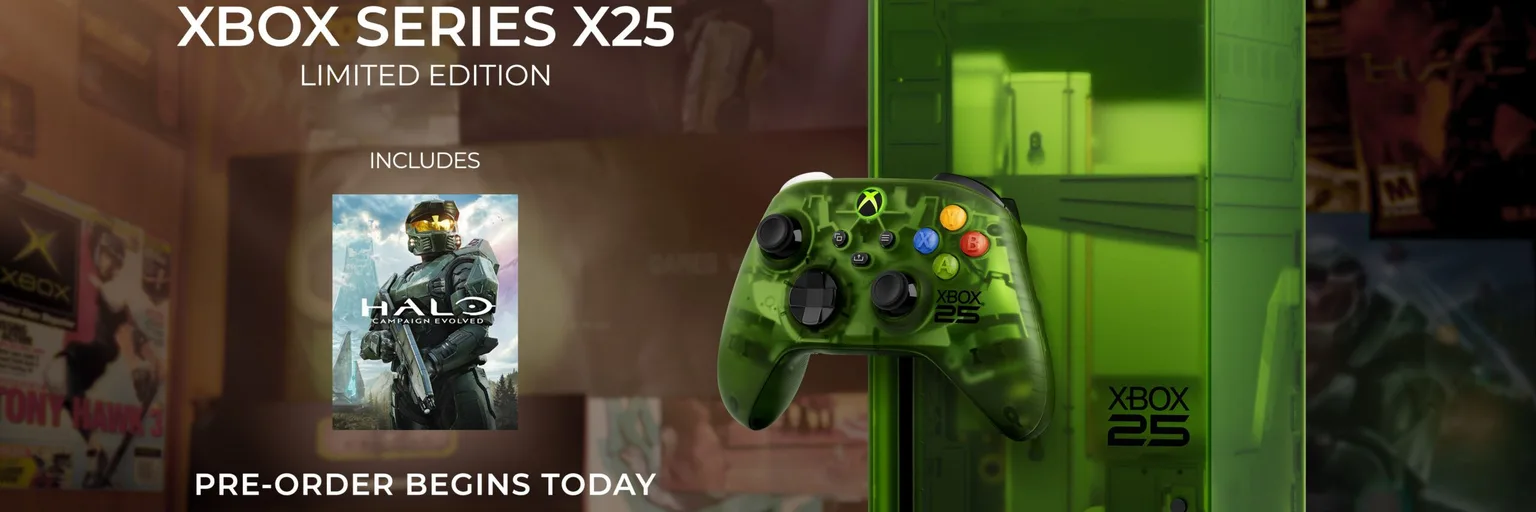
Xbox's handheld and Game Pass plan is a fix, not a scramble, if it's honest on price
Fortune's report describes a 2027 handheld, Project Helix in 2028 and an à la carte Game Pass. The diagnosis looks right, but price and clarity will decide whether it works.
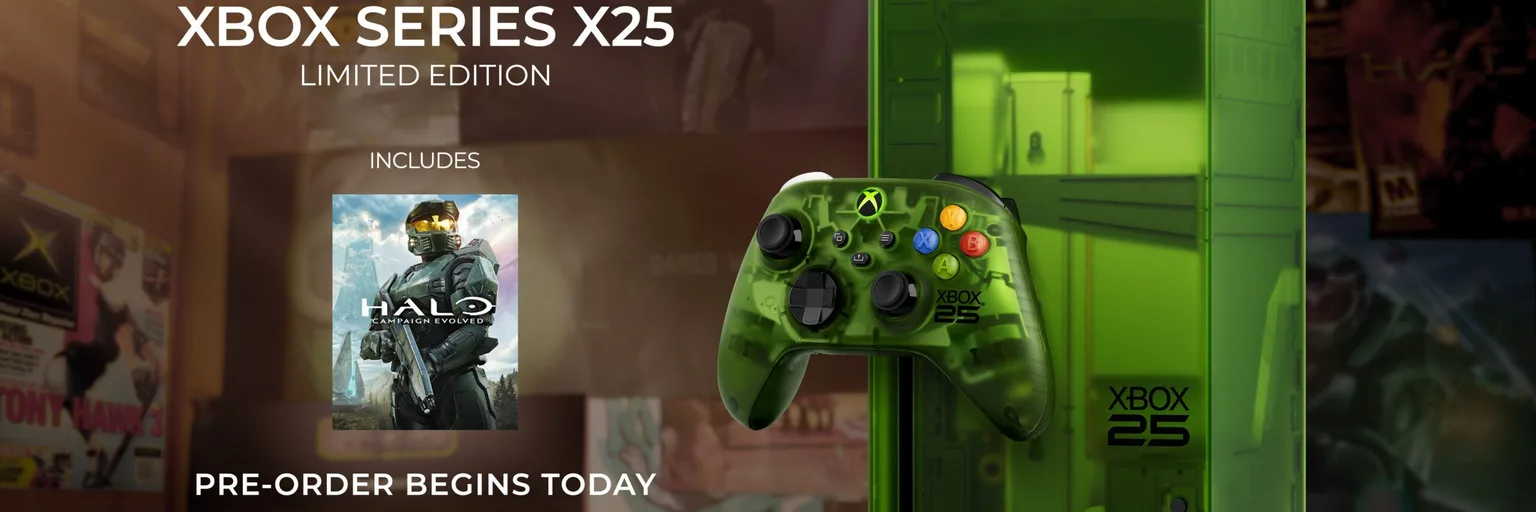
Xbox's hourly cloud packs are a smart on-ramp, and a quiet tax on heavy players
Letting players buy 10 to 50 hours of cloud play without Game Pass lowers the door for newcomers, but it also turns streaming into a metered utility that punishes people who live in it.
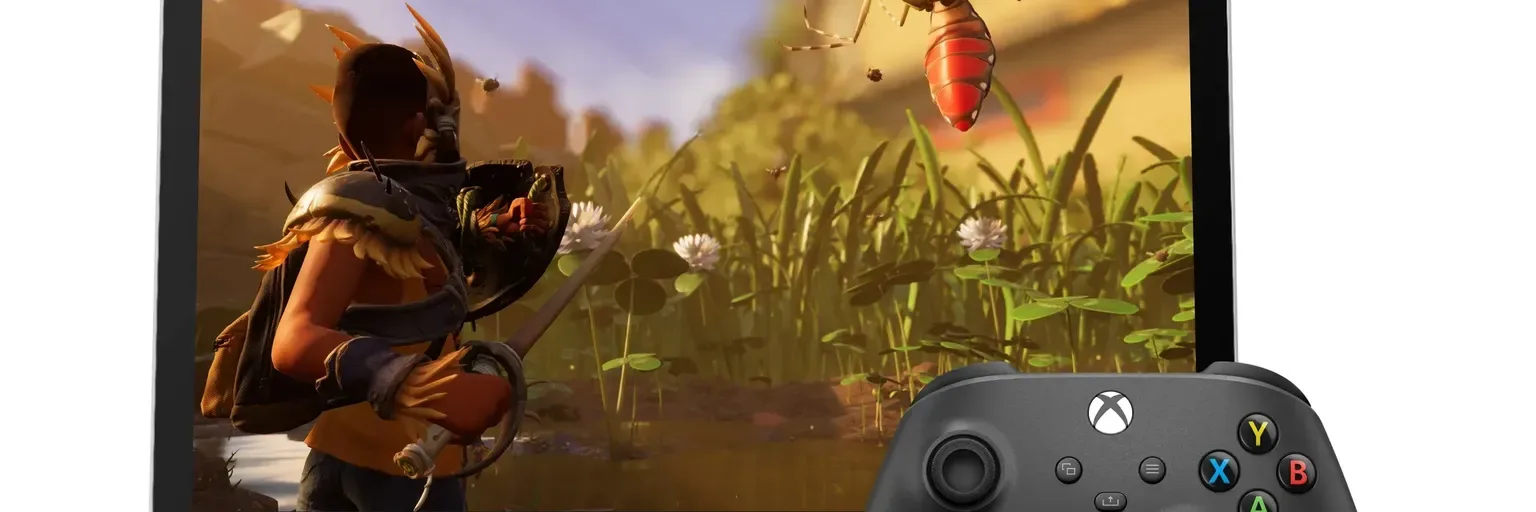
Final Fantasy VII Remake on Game Pass Makes Waiting Look Smart
Xbox players get a premium RPG without committing to the whole remake trilogy, but Game Pass still leaves publishers weighing discovery against lost sales.