DroidDeck: The Future of Mobile PC Gaming or a Niche Experiment?
While DroidDeck promises the allure of native PC games on Android, its real-world impact hinges on overcoming significant hardware barriers and demonstrating clear advantages over established streaming solutions.
Photo: Dsimic / Wikimedia Commons (CC BY-SA 3.0)
Can an Android phone truly become a PC gaming powerhouse without compromise? This is the audacious promise of DroidDeck, an open-source project aiming to bring the Steam Deck experience—and a genuine PC gaming library—directly to Android devices. Its emergence highlights a potent desire among gamers: to access their extensive PC game collections on mobile hardware, untethered from cloud streaming or a secondary computer. However, while DroidDeck represents an exciting leap, we must ask if it's poised for widespread adoption or if it will remain a compelling, yet niche, experiment for a dedicated few.
DroidDeck is an application designed to run Valve's official Steam client for Linux ARM64 natively on Android phones and handheld consoles. Unlike solutions such as Steam Link or Moonlight, which stream games from a remote PC, DroidDeck executes titles locally on the device. It achieves this by combining a lightweight Linux environment, Valve's Proton for ARM64, and FEX-Emu to translate x86/x64 instructions for ARM processors. This setup provides a SteamOS-like interface, allowing users to download and play games directly from their Steam libraries, complete with a performance overlay and customizable per-game controls. The project, distributed under the GPL-3.0 license, has garnered attention for its ambition to turn powerful Android hardware into portable PC gaming machines without requiring root access.
The Allure of True Local Gaming
The most significant draw of DroidDeck is its fundamental difference from streaming services: it offers true native execution. This means games are running directly on the device, potentially offering lower latency and greater stability compared to streaming from a separate PC over Wi-Fi, as with Steam Link. For a mobile-first generation of gamers, the idea of having their extensive Steam library in their pocket, ready to play without an internet connection or a beefy home rig, is undeniably appealing. The ability to access the official Steam client, download games, and manage a library in a familiar environment is a powerful proposition. Furthermore, DroidDeck goes beyond just games; it can boot into a full LXQt-based Linux desktop environment, enabling the execution of other Linux applications and emulators compiled for ARM64. This dual functionality positions compatible Android devices as more than just gaming handhelds, but as genuinely versatile portable computing platforms.
A High Bar for Hardware Compatibility
Despite its innovative approach, DroidDeck faces substantial hurdles, primarily concerning hardware compatibility. The project explicitly targets devices with Qualcomm Snapdragon processors and Adreno GPUs, specifically requiring Android 9 or later and an Adreno 730 or superior GPU, with some Adreno 8xx models also supported. Devices like the Ayn Odin 2, Ayaneo Pocket S, and phones equipped with second and third-generation Snapdragon 8 processors are among those verified for optimal performance. This is a significant limitation, as the vast majority of Android devices, particularly those with GPUs from Mali, Google Tensor, or Exynos Xclipse, are currently unsupported due to driver and Vulkan extension requirements. This effectively restricts DroidDeck's audience to a premium segment of Android users, many of whom might already own dedicated gaming handhelds or even a Steam Deck. While the project is open-source and constantly evolving, this narrow hardware focus means that, for now, DroidDeck is a luxury experience for those with the right chip.
Finding Its Place in a Crowded Ecosystem
DroidDeck enters a landscape already populated by various solutions for mobile gaming, from dedicated handhelds like the Steam Deck itself to sophisticated cloud streaming services and even other PC emulation projects like Winlator or Mobox. Its core differentiator is the promise of a native SteamOS-like experience on Android without being SteamOS, using Valve's official client. However, the crucial question is how well it truly translates the PC gaming experience. As the developers themselves note, compatibility varies, and more demanding games may push the limits of mobile hardware, meaning not all titles will run optimally. Performance, even on supported high-end devices, may not always match a dedicated PC or the optimized environment of a Steam Deck. The project's strength lies in its open-source nature and the ongoing community development, but it will need to consistently deliver a compelling and stable gaming experience to truly stand out beyond its current appeal to enthusiasts and tinkerers.
In our view, DroidDeck is less a direct replacement for the Steam Deck and more a fascinating testament to the potential of the Android ecosystem and the enduring desire for true PC gaming portability. It's an experimental platform that, while currently limited by stringent hardware requirements, offers a glimpse into a future where the line between mobile and PC gaming blurs further. For those with compatible, high-end Snapdragon devices, DroidDeck is an exciting avenue for exploration, but its widespread impact will depend on broader hardware support and a more seamless user experience that can rival established, less technically demanding alternatives. Until then, it remains a brilliant, but niche, endeavor for the most powerful Android gaming rigs.
No topics yet: start the first one.
More stories
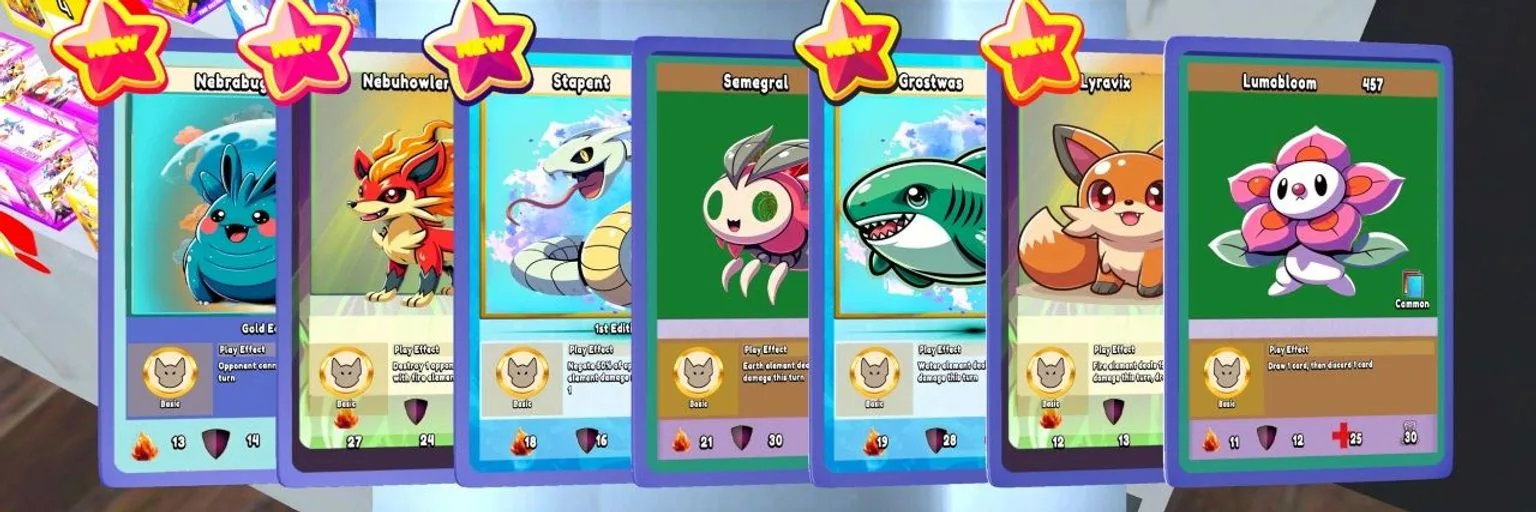
Pokémon TCG Pocket: A Smart Pivot from Nostalgia to Strategic Depth
The latest Pokémon TCG Pocket update, with its structured content and gameplay enhancements, signals a clear intent to foster a robust and engaging long-term experience for its player base, moving beyond initial novelty.
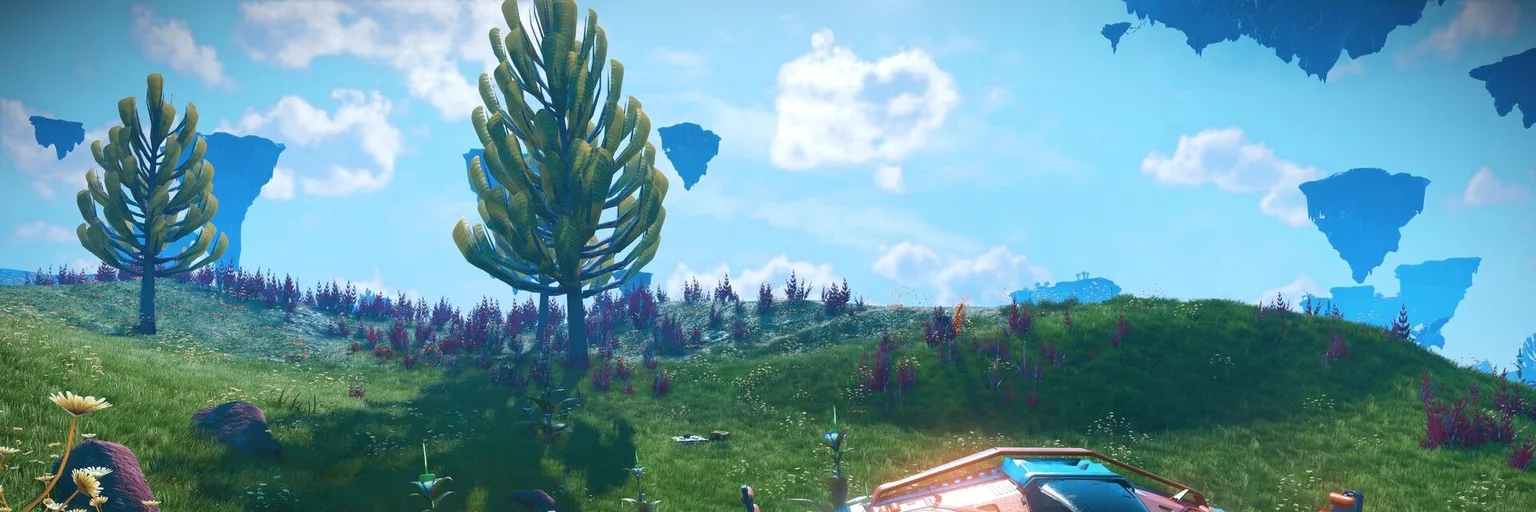
Could No Man's Sky on iPhone Redefine Mobile Gaming?
The potential arrival of No Man's Sky on iPhone and iPad could be a game-changer, pushing the boundaries of what complex open-world experiences can achieve on mobile devices.
Naruto Mobile's Global Ambition: Too Late for a Decade-Old Hit?
The long-awaited global launch of Naruto Mobile raises questions about its potential in a crowded market, but its decade of Chinese success could offer a unique advantage.