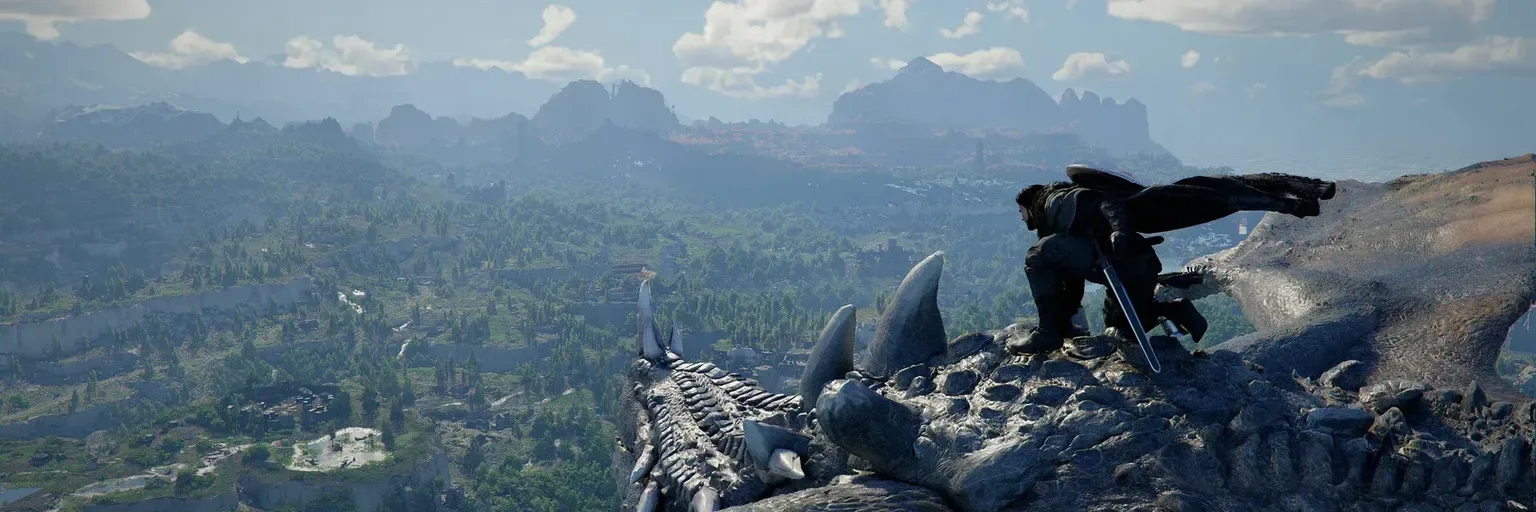
The Witcher 4’s 2028 Window Is a Promise Players Should Question
A 2028 target may calm investors, but it also exposes the cost of modern AAA development—and raises the bar for Ciri’s genuinely new saga.
Photo: CD PROJEKT RED / sala de prensa (uso editorial)
A 2028 release window sounds reassuring until we ask what it is actually promising. For CD Projekt Red, a target that far away can signal discipline after the difficult development history associated with large-scale RPGs. For players, however, it is also a warning: The Witcher 4 is being built on a timeline so long that the wait itself becomes part of the product.
CD Projekt Red confirmed that The Witcher 4 is targeting 2028, and the game will begin a new saga led by Ciri. The announcement is not the same as a precise launch date, but it is more substantial than the older speculation around 2027. Game Informer reported in August that the studio’s joint CEO confirmed the 2028 launch. A previous trailer revealed Ciri as the main character, with Geralt still appearing but no longer occupying the central role, according to Indy100’s summary of the available information.
The date is useful for planning, not proof of progress
A distant target can be healthy. It gives a studio room to organize production, communicate expectations and avoid pretending that a complex RPG is nearly finished when it is not. In that sense, 2028 is preferable to a vague promise that encourages players to build an imaginary launch schedule around rumors.
But a window is not evidence that the hard creative problems have been solved. It is a boundary around a plan. The difference matters because modern AAA development increasingly treats time as a substitute for certainty: more years are added, more systems are rebuilt, and the eventual game is expected to justify the delay through technical scale.
That is the trap CD Projekt Red needs to avoid. The Witcher 4 cannot be valuable merely because it took a long time. A lengthy production cycle creates an expectation of transformation, not simply polish. If the result is another enormous open world built around familiar quest structures, better lighting and more detailed landscapes, the 2028 label will feel less like patience rewarded and more like patience monetized.
Ciri gives the wait a reason to exist
The strongest argument for The Witcher 4 is not its technology. It is the decision to make Ciri the lead of a new saga. That change gives the project a chance to alter the emotional and dramatic center of the series rather than treating the next game as a routine continuation with a new map.
Ciri is also the clearest test of whether CD Projekt Red is willing to let The Witcher evolve. Keeping Geralt in the world can provide continuity, but leaving him out of the main role creates space for a different kind of story. In our view, the game should use that space aggressively. Ciri should not feel like a replacement avatar carrying Geralt’s old structure, tone and responsibilities. She needs a campaign shaped around her own identity and conflicts.
That is where the 2028 window becomes meaningful. The extra time is justified only if it supports a new dramatic language, not just a larger content checklist. A new saga should be visible in the design of the quests, the rhythm of exploration and the way the world responds to its protagonist. Otherwise, “Ciri-led” risks becoming a marketing distinction rather than a creative one.
Unreal Engine 5 raises the wrong question—and the right one
CD Projekt Red’s move from its in-house REDengine to Unreal Engine 5 is another reason the schedule deserves scrutiny. The studio has explained the switch, as TechPowerUp reported on September 19, but the engine itself should not become the headline measure of success.
Players are right to care about what a technology change enables, yet the familiar debate over whether The Witcher 4 will “look like” a game made in Unreal misses the point. Visual spectacle is now the easiest promise for an ambitious RPG to make. The harder promise is coherence: a world where systems, stories and exploration reinforce one another instead of existing as expensive decoration.
The engine is a means. If Unreal Engine 5 helps the studio build a more stable and flexible production pipeline, that could be one of the better reasons for the long wait. If it simply helps produce a more impressive demonstration, the project will have solved the least interesting problem first.
The real risk is that expectations arrive before the game
By 2028, The Witcher 4 will not launch into a vacuum. It will arrive carrying years of speculation about Ciri, Geralt, the new saga, the technology and the meaning of every delay. That gives CD Projekt Red an unusual communications problem: saying too much can lock the game into promises it cannot satisfy, while saying too little allows expectations to become uncontrollable.
The studio should resist the temptation to sell the wait as proof of ambition. “Most ambitious” is not a design philosophy. Players do not need the biggest map or the most technically elaborate demonstration; they need a game with a strong reason to exist beyond the commercial power of its name.
Our verdict is cautiously optimistic, but not because 2028 sounds safe. The date is a warning that The Witcher 4 belongs to an era in which AAA RPGs can spend years pursuing scale before proving their identity. CD Projekt Red wins only if that time produces a genuinely Ciri-centered adventure with ideas of its own. Until the game demonstrates that, 2028 should be treated as a planning target—not a promise that the wait will be worth it.
No topics yet: start the first one.
More stories
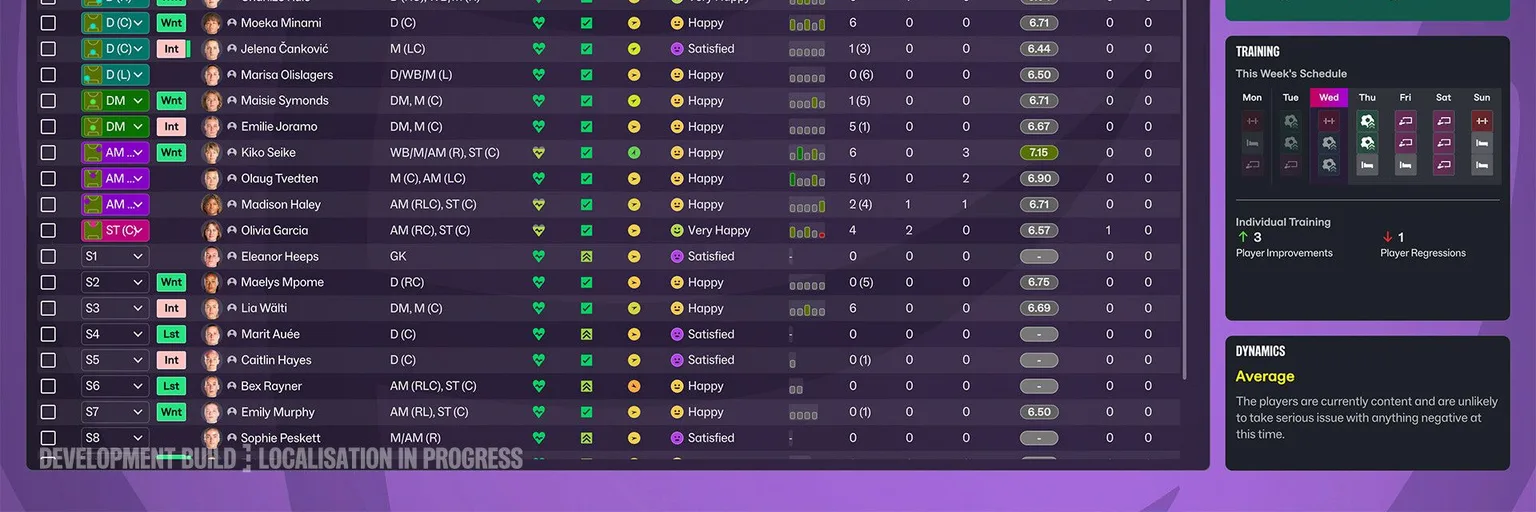
Football Manager 27’s Free Trial Is a Risky Way to Rebuild Trust
Sports Interactive is putting Football Manager 27 in players’ hands before launch, turning a five-day preview into a test of confidence rather than a simple promotion.
Mouthwashing’s Console Launch Can Expand Horror Without Taming It
Mouthwashing arrives on October 29 across PlayStation, Xbox, and Nintendo Switch, with Game Pass making its abrasive psychological horror easier to discover than ever.
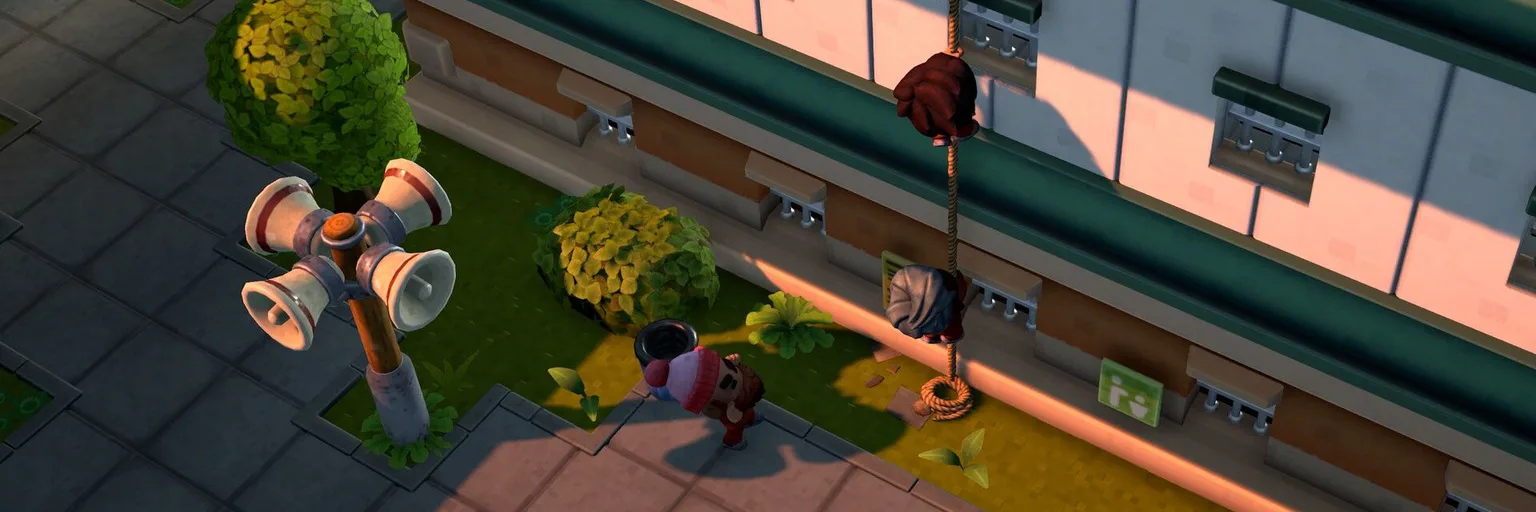
The Escapists 3 Must Make 3D Mean More Than Bigger Prisons
The Escapists 3 has the right opportunity in 3D, but Team17 must turn extra space into richer schemes instead of a slower version of the same sandbox.
Crimson Desert’s DLC Is Trying to Turn One Open World Into Two
Charting the Unknown goes far beyond extra quests, adding oceans, romance, housing and businesses—but its ambition will matter only if Pywel makes them feel connected.