The Grim Reality: Why Game Development Is Tougher Than Ever
Despite industry growth, game developers, particularly indie studios, face an increasingly challenging landscape marked by market saturation, intense competition, and critical financial pressures.
Photo: Microsoft Corporation / Wikimedia Commons (CC BY-SA 4.0)
Can passion and creativity alone guarantee success in the modern gaming industry? It's a question many developers, from small indie teams to larger studios, are confronting in a landscape that appears more daunting than ever.
From the earliest stages of creation to the frantic dash for player recognition, game development is a perpetual uphill battle. The challenges are numerous and often unseen by the public, ranging from the fundamental struggle for visibility to the psychological toll of perfectionism and the constant pressure of limited resources.
The Overcrowded Market and the Quest for Recognition
One of the most persistent hurdles for game developers is simply being noticed. As GameDeveloper.com reports, "the biggest challenge for game developers is getting recognition in an overcrowded market." This sentiment is echoed across the industry, with numerous indie game developers highlighting the struggle for visibility as one of their primary concerns. The sheer volume of new titles released annually means that even innovative and high-quality games can easily get lost in the noise, making marketing and discovery as crucial as the development itself.
The Weight of Resources and Constraints
Beyond the battle for attention, developers grapple with significant practical constraints. Budget limitations are a recurrent theme, particularly for independent studios. A survey among indie developers identifies "budget constraints" and "time management" as key challenges, underscoring how financial pressure can impact every stage of a project, from initial concept to final release, as reported by itch.io. These financial realities often mean developers must make difficult choices, prioritizing core gameplay over ambitious features or extensive polishing, further complicating the quest for a standout product.
Moreover, the very early stages of game development are often described as "tough," a period fraught with uncertainty and the need to establish a solid foundation amidst limited resources, as observed in discussions among game developers a year ago. Technical considerations also play a role, with challenges such as scaling game infrastructure and addressing security issues demanding constant attention and expertise, according to Lumenalta.
The Internal Struggle: Perfectionism and Motivation
The creative process itself is fraught with internal battles. Perfectionism, for example, is cited as "one of the biggest challenges in full-time game development," especially when a project represents a developer's livelihood, as noted by blog.stackademic.com. This drive for an ideal product can lead to prolonged development cycles and burnout, further exacerbated by the "motivation" issues also identified in developer discussions. Balancing the desire for excellence with the practical demands of deadlines and budgets is a constant tightrope walk.
The modern game development landscape demands more than just creative talent; it requires strategic business acumen, robust financial planning, and an unwavering resilience in the face of an overcrowded market and ever-present constraints. For many, the passion remains, but the path to bringing a game to life has undeniably grown more complex.
No topics yet: start the first one.
More stories
IGN Fan Fest 2026: The New Nexus of Entertainment Reveals, or Just More Noise?
The latest IGN Fan Fest delivered a staggering 90+ exclusive revelations across gaming, film, and TV, solidifying its role as a key industry barometer and highlighting the entertainment world's growing reliance on curated, multi-platform showcases.
Rockstar's Post-GTA VI Speed-Up: Ambition or Industry Hazard?
Rockstar Games aims to shorten development cycles after the colossal Grand Theft Auto VI, a move that could transform AAA production or risk compromising the very quality players expect.

Xbox Labs: Microsoft's Innovative Leap or a Strategic Rebrand?
Microsoft's new Xbox Labs aims to revolutionize gaming with AI and new technologies, yet its foundation on existing R&D raises questions about whether it's truly groundbreaking or a shrewd re-packaging of ongoing efforts.
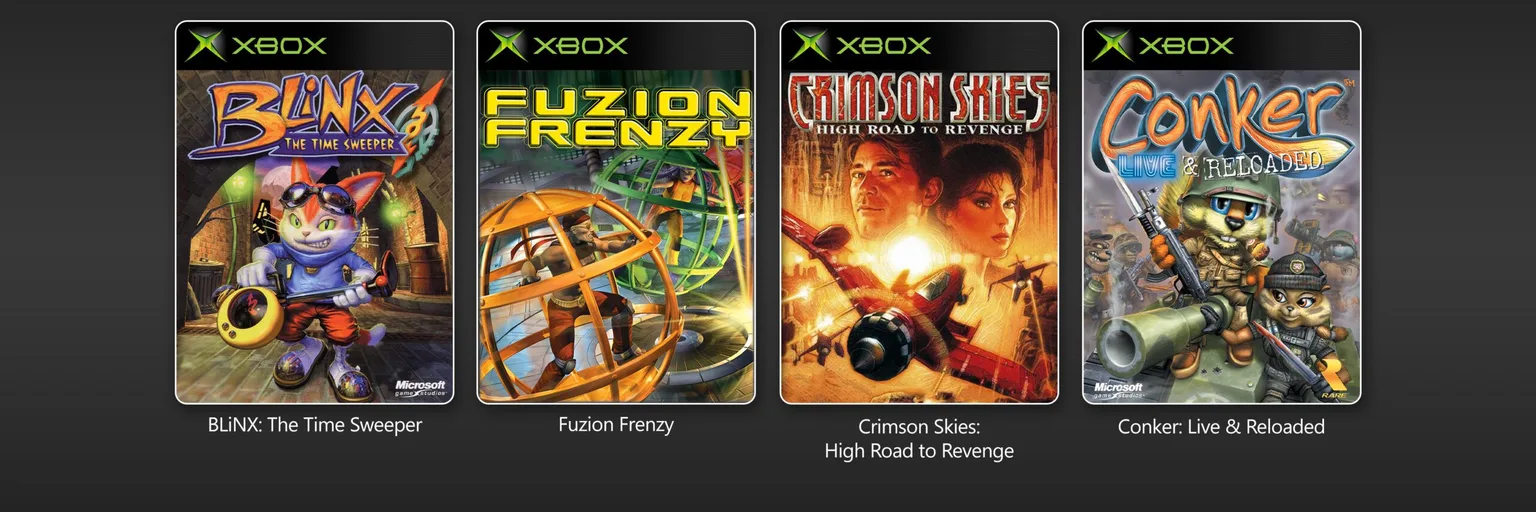
ID@Xbox Showcase: Microsoft's Indie Strategy Is a Blueprint for Success
Far from a mere side event, the ID@Xbox Showcase is a strategic pillar for Microsoft, demonstrating how independent games drive innovation and diversity crucial for Xbox and PC's evolving ecosystem.