Beyond AAA: The Absurd Games Redefining Gaming's Mainstream
The unexpected triumph of niche titles like 'Militsioner' and 'Hair Removal Salon Simulator' signals a pivotal shift, proving that bizarre concepts can capture hearts and challenge the long-held dominance of traditional blockbusters.
Photo: CRITICAL REFLEX / Steam (uso editorial)
Are we finally witnessing the beginning of the end for the traditional AAA game’s iron grip on the industry’s attention? As the gaming landscape becomes increasingly saturated with sequels and safe bets, a curious phenomenon is unfolding: the ascendance of the delightfully absurd.
The recent Triple-i Initiative Fall Showcase 2026 and the buzz around the Tokyo Game Show have undeniably shone a spotlight on titles that defy conventional expectations. Games like Tallboys' Militsioner, a first-person atmospheric stealth action immersive sim, and Yoshio Games' Hair Removal Salon Simulator have not just appeared on the scene; they’ve garnered significant attention, including praise from former PlayStation boss Shuhei Yoshida for the latter. This is more than just a passing trend; it suggests a fundamental shift in what truly resonates with players and critics alike.
The Allure of the Bizarre and Unique
What makes a game about managing a hair removal salon or escaping a town overseen by a colossal policeman so compelling? In our view, it's their sheer uniqueness in a market often dominated by iterative design. Hair Removal Salon Simulator, developed by Yoshio Games and published by 2P Games, is slated for Early Access on PC via Steam in Q4 2026, with a demo available now. This parody business simulator puts players in charge of a salon for the discerning, well-groomed gentleman, where treatments are handled through mouse-controlled mechanics. Beyond conventional lasers and blades, the game features less conventional methods like duct-tape waxing, quick-draw blade strokes, and even hand-conjured black holes. Precision is key, as shaving off an eyebrow or misfiring a laser can hurt customer satisfaction and lead to negative reviews like "Too painful" or "I got burned." Conversely, perfect treatments yield 5-star reviews and attract more clients, boosting the salon's reputation. Outside of treatments, players can upgrade equipment, renovate the salon, hire staff, and sell skincare products and aftercare packages. Filling the hair-removal meter can even activate a "Fever Mode," transforming the treatment room into a dance floor.
Then there's Militsioner, an immersive sim from Tallboys, currently targeting a 2027 release on PC and Xbox Series X/S. A demo is available now on Steam. The game traps the player in a town under the constant surveillance of a giant, looming policeman. The player's alleged crime is unknown, but escape is the goal, often involving plotting routes via a train car. This is not a straightforward escape, however, as the game presents a world filled with possibilities and consequences for every action. Players can even fail the tutorial by refusing to vocally consent to staying put. Quests might involve finding a desert, which could cost a hefty sum and accidentally be destroyed. The game embraces the absurd, allowing players to add a cat to their inventory or discover banned paraphernalia like a vinyl record. It also functions as a mood-management sim, where upsetting the giant cop can significantly limit one's freedom, and managing the emotions of fellow inmates is crucial.
Beyond the Blockbuster Blueprint
The broader landscape of indie gaming further underscores this shift, with events like the Triple-i Initiative Fall Showcase 2026 presenting a wealth of diverse and imaginative titles. While AAA games often hog the spotlight, this showcase delivered a packed slate of indie game reveals, trailers, demos, DLC, and release dates, many of which are already available as playable demos. This emphasis on immediate player engagement through demos helps foster communities around unique concepts, proving that innovation isn't solely reserved for large studios.
For instance, the showcase highlighted games like Hela: of Mice & Magic, a heartwarming open-world adventure about the Kind Witch's tiny mouse familiars, and Drunken Goddess Reflux!, a twisted take on Russian roulette where players drink against a demon. Haunted Paws offers a cozy, spooky co-op adventure where players create puppies to solve puzzles in a haunted mansion. And Gods With Badges, from Strange Scaffold (the studio behind I Am Your Beast and Space Warlord Baby Trading Simulator), is a narrative tactics game that examines the power dynamics of law enforcement, with options to turn off bodycams to unlock special dialogue. These titles, much like Militsioner and Hair Removal Salon Simulator, represent a vibrant ecosystem where creativity and unconventional ideas are not just tolerated but celebrated and actively sought out by players.
Why Niche is the New Mainstream
In our view, the success and anticipation surrounding these absurd games stem from a desire for genuine novelty. Players are increasingly weary of predictable franchises and mechanics. The freedom afforded to indie developers, unburdened by the immense financial pressures and shareholder expectations of AAA studios, allows them to experiment with premises that might seem too niche or risky for mainstream publishers. This results in experiences that feel fresh, engaging, and often deeply personal.
The accessibility of demos, often highlighted at showcases, is another critical factor. It allows players to immediately sample these unique concepts, fostering a sense of discovery and community engagement that can build significant momentum even before a game's full release. This dynamic suggests that the mainstream isn't just about massive marketing budgets anymore; it's about compelling ideas, authentic experiences, and the ability to capture the imagination of a player base eager for something truly different. The gaming world is evolving, and the delightfully absurd is leading the charge.
No topics yet: start the first one.
More stories
FC 27: Las microtransacciones elevan la edad, ¿el coste de la dominación?
EA Sports FC 27 consolida su liderazgo en el fútbol virtual, pero la dependencia de microtransacciones y un PEGI 16 plantean serias dudas sobre la ética y accesibilidad del género para los más jóvenes.

Naruto's Next Chapter: Why Kishimoto's Return Defines Its Future
Masashi Kishimoto's direct involvement in the new 'Shadow Rising' manga and related projects is a powerful signal that established franchises can not only endure but thrive and redefine themselves under original creative vision.

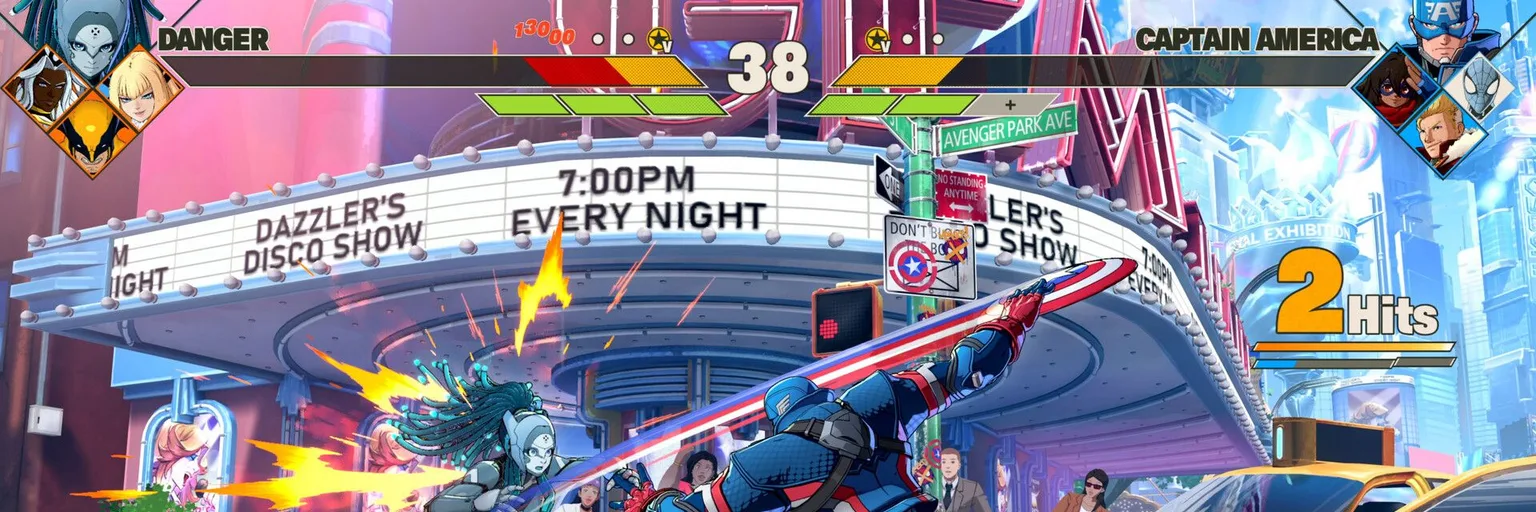
Marvel Tokon's DLC Gamble: Can New Characters Outrun a Rocky Launch?
The unveiling of Cyclops, Thor (Jane Foster), Venom, and Jubilee as Year 1 DLC for Marvel Tokon: Fighting Souls highlights a familiar monetization strategy, but a challenging PC launch complicates the value proposition for players.
SEGA's CrossWorlds Gamble: Crossover Goldmine or Brand Overload?
SEGA's ambitious Year 2 roadmap for Sonic Racing: CrossWorlds, cramming Final Fantasy, Persona, and Godzilla into its kart racer, is a bold play for audience expansion that risks diluting its core identity.