Harada is right about the Series S, but wrong about the fix
The Tekken veteran's complaint isn't about one cheap console. It's about a mandatory weaker baseline, and Microsoft should stop treating it as one before the next generation.
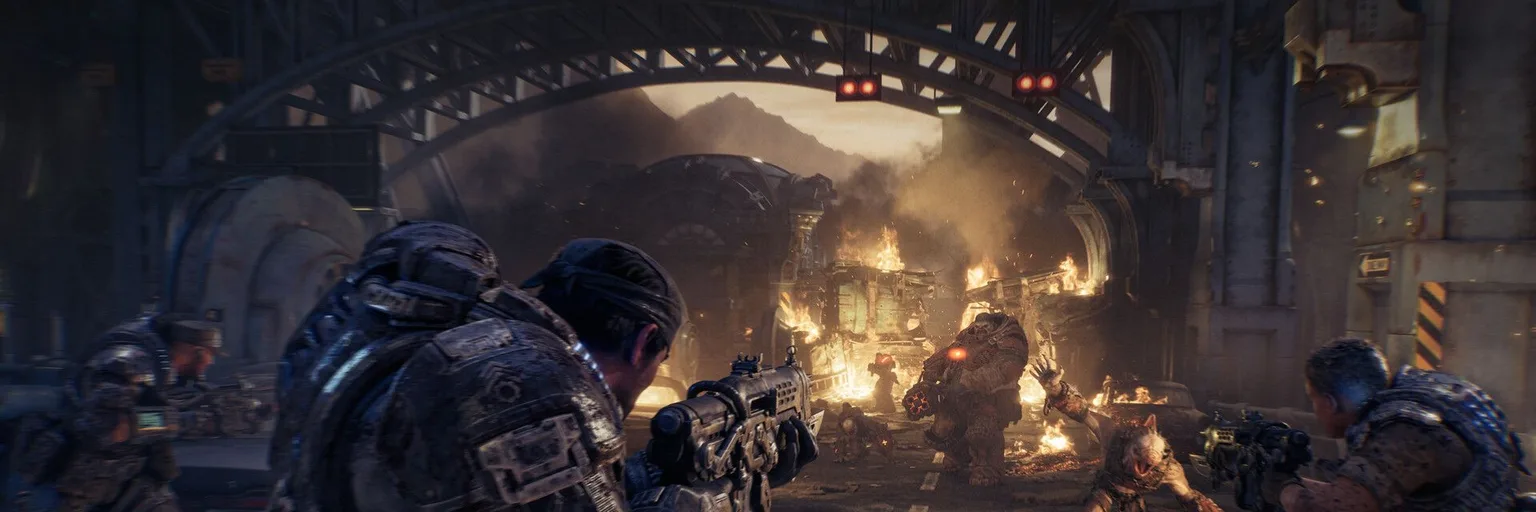
AI-generated image
Can a console be a commercial success and a creative tax at the same time? Katsuhiro Harada, the man behind Tekken, thinks the Xbox Series S is exactly that, and he said so with a senior Xbox official sitting in the room.
At the Console Game Developers Conference 2026 in Seoul, Eurogamer reports, citing Inven Global, Harada told a panel he wished "hardware like the Xbox Series S wouldn't be released." He then pressed CD Projekt Red's Paweł Sasko, who answered that the console "constantly throws challenges at us and forces us to optimize our code very cleanly." Sasko later defended it as a way to reach more players and to make games run better everywhere.
The problem isn't weakness, it's resemblance
Harada's sharpest point is easy to miss behind the "slightly weaker child" line. Low memory is a nuisance, he said, but the hardest part is a device so similar to the Series X with "awkwardly lower" performance. Compare his view of Switch 2: developers can treat it as its own device. Nobody expects a Switch 2 port to look like a PS5 game.
We think that's the real diagnosis. The Series S doesn't get graded on a curve. It gets graded against its bigger sibling, and as Game Developer notes, platform policy required it to play the same games. Parity is a policy decision, not a law of physics. Larian's Baldur's Gate 3 delay on Xbox over split-screen is the textbook case.
Sasko's defense is real, and it's an argument for choice
Don't dismiss the other side. Sasko's point that optimizing for weak hardware lifts every platform is credible; he cited Cyberpunk 2077 version 2.5, which took Switch 2 optimization work back to all versions. Wccftech adds that DICE said something similar about Battlefield 6. A cheaper entry point also matters, and Harada himself admitted that in the US the Series S has more users than the Series X, so developers can't cut corners.
But notice what that defense proves. Optimization is valuable. It doesn't prove that a mandatory baseline is the best way to get it. Studios that want to target handhelds, Switch 2 and low-end PCs will do it anyway, because those are markets. Forcing it through certification just moves the cost to teams that didn't choose it, and players still blame the developers when textures drop, as Harada pointed out.
What Microsoft should do with Helix
Harada joked that he fears a "Helix S" for the next-gen Xbox. Eurogamer notes that Project Helix is reportedly looking expensive amid high RAM and component costs, so a cheaper sibling will be tempting. Our view: if Microsoft wants a low-cost box, fine, but treat it as a distinct tier with its own expectations, not a parity requirement that drags the flagship's ambition down. Let developers ship a reduced-scope version, or skip it, without a delay or a public fight.
There's also a hard commercial caveat. Wccftech argues the cheaper console failed to boost Xbox sales this generation, and Kotaku says the X had outsold the S in the US by 2024. If the cheap box didn't deliver the market, the case for making everyone design around it weakens further. We'd treat those as the outlets' claims and the exact picture as unsettled.
Verdict
Harada is right about the pain and a bit theatrical about the remedy. Wishing the Series S away is nonsense; plenty of players own one. The sensible demand is narrower: stop making the weakest Xbox the floor every game must clear identically. If Microsoft repeats the two-SKU strategy with Helix, it should repeat the hardware, not the mandate. Developers will thank it, and, if Harada's complaint about player blame is any guide, so will the players who currently shout at the wrong people.
No topics yet: start the first one.
More stories
Xbox's 25th anniversary gift is a promise, not a game
Wolfenstein 3 and a new id Software project show Xbox leaning on Bethesda's shooter heritage, but with no dates and nine years since the last mainline game, applause can wait.
Xbox's backward compatibility is the ownership argument PlayStation can't answer
Microsoft joined consoles late and still built the friendliest library for players who want to keep what they paid for. Sony's patchier approach looks weak next to it.
Xbox is a publisher first now, and it's time to judge it that way
Final Fantasy VII Remake Intergrade lands on Game Pass while a 92-rated Xbox game vanishes from the Xbox Store. Both point to the same Xbox: a publisher first.
Blaming Xbox players for E-Day's sales lets Microsoft off the hook
Soft retail numbers for Gears of War: E-Day say more about Game Pass, a crowded calendar and Xbox's platform strategy than about fans who supposedly failed to put money where their mouths are.