Gamersfera Newsroom
A $1,000 PS6 would be the AI boom's bill landing on players
If memory costs push next-gen consoles past four figures, the industry owes players more than specs. Until then, the best protest is the PS5 you already own.
If memory costs push next-gen consoles past four figures, the industry owes players more than specs. Until then, the best protest is the PS5 you already own.
The PlayStation creator says AI and servers could make consoles unnecessary. We think that's less a forecast than a test: ownership, latency and exclusives are what's left to defend.
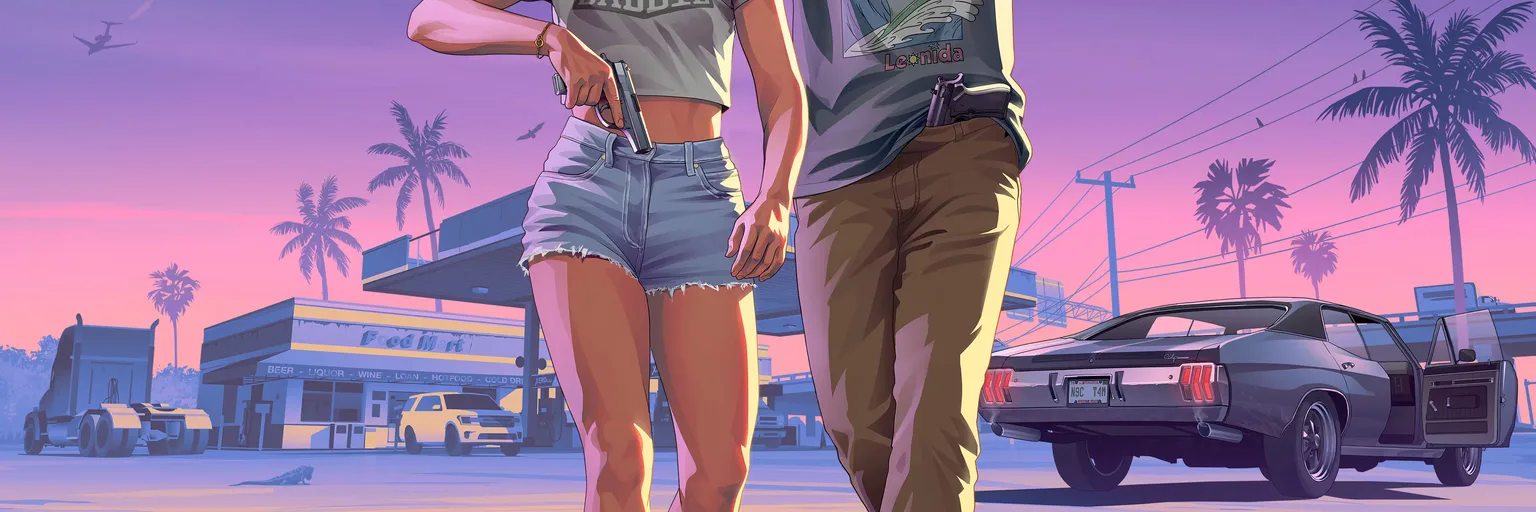
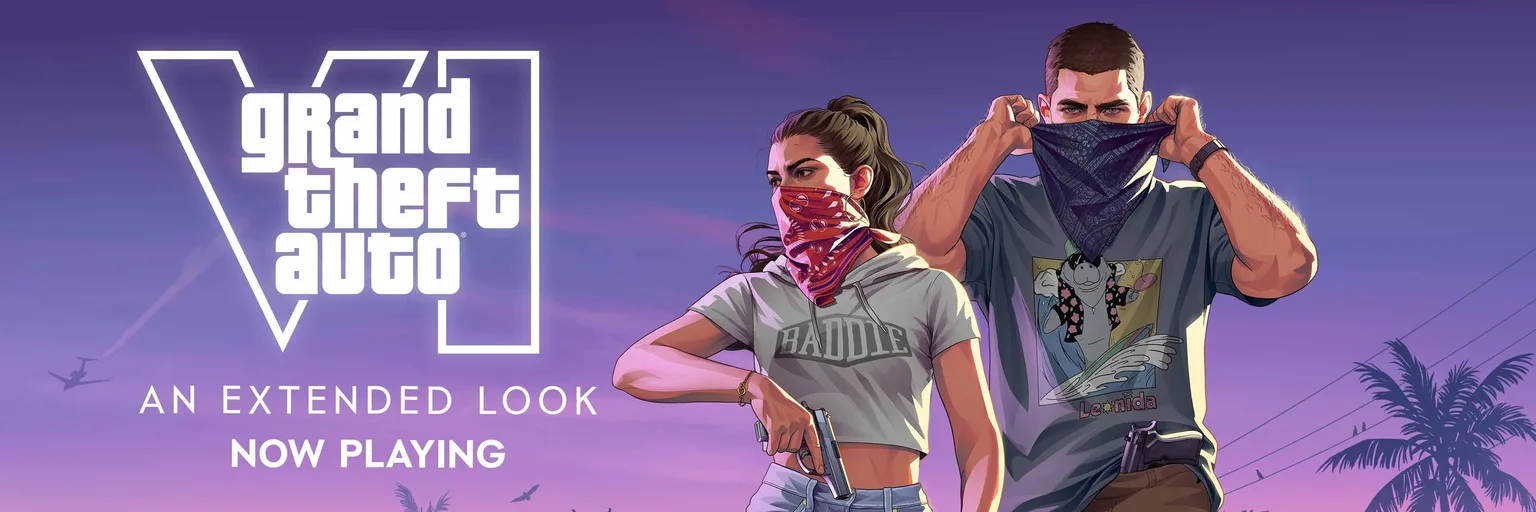
Sensor Tower's estimate of 6.45M digital pre-orders for GTA VI says less about a game nobody has played and more about the credibility Rockstar has built over 13 years.
The headline says Sony's old console is winning. We think Nintendo made itself easier to beat, and holiday 2026 will show whether that was a smart bet or a costly one.
Dropping commercial fees on GMRT from 2027 wins indie goodwill and leans on Unity's wounds, but Godot is still free and consoles stay locked behind Enterprise.
Epic had to admit its own FAQ wrongly made AI mandatory. The bigger problem is a company pitching "ship in a weekend" to a developer community already wary of generative AI.
Retroactive PEGI 16 ratings for EA Sports FC and Zenless Zone Zero are overdue, and a label on the store page may change publisher behavior more than a fine ever did.
PS5 is back on top and the headlines look calm, but a market propped up by price hikes and one unreleased game isn't stable. It's holding its breath.
After 18 years, a report says the sequel is still in pre-production. The real issue isn't delay but a project allegedly too protected to fail, so Ubisoft should ship it or end it.
With 4.05 billion hours in H1 2026, Roblox is the industry's center of gravity. But the real test is holding an aging audience, and AAA publishers shouldn't look away.
The French studio isn't just failing alone: the squeezed middle between indie and AAA is running out of room, and selective funding is the reason.
Star Wars could revive Bungie’s fortunes, but another massive multiplayer bet may deepen the exact portfolio risks the studio is trying to escape.
EA’s decision to close BioWare and cancel the next Mass Effect is a warning that ambitious, slow-burn RPGs no longer fit easily inside blockbuster economics.
Critical Reflex’s latest showcase celebrates an inventive indie pipeline while exposing its harder truth: great games now compete in a market too crowded for passive discovery.
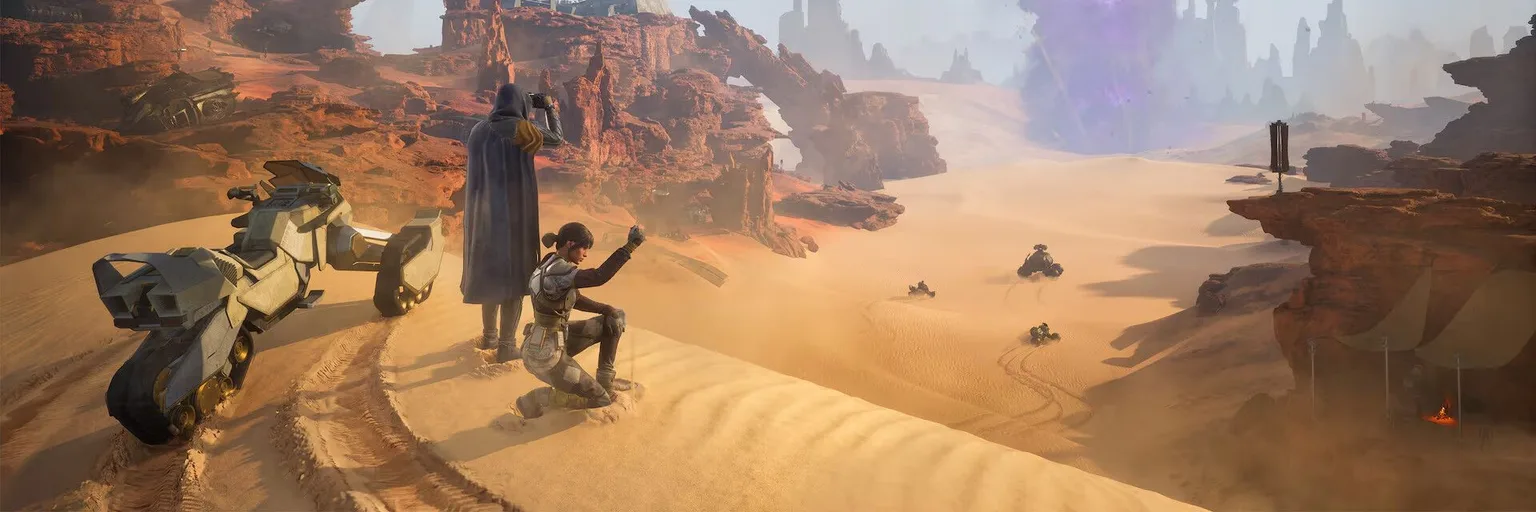
Funcom says Dune: Awakening is entering a leaner post-launch phase, but the cuts reveal how brutally game development treats teams after the big release.
Brandon Stirrup’s vanished X account does not prove a cover-up, but it exposes why Xbox and the wider game industry need clearer AI disclosure.
Netflix is not abandoning games, but its studio closures reveal a harder truth: streaming scale does not automatically create gaming credibility, quality, or engagement.
By embedding Luna directly into Prime Video, Amazon is not just offering games; it's challenging the very notion of what a cloud gaming subscription should be, making it an effortless add-on for millions.
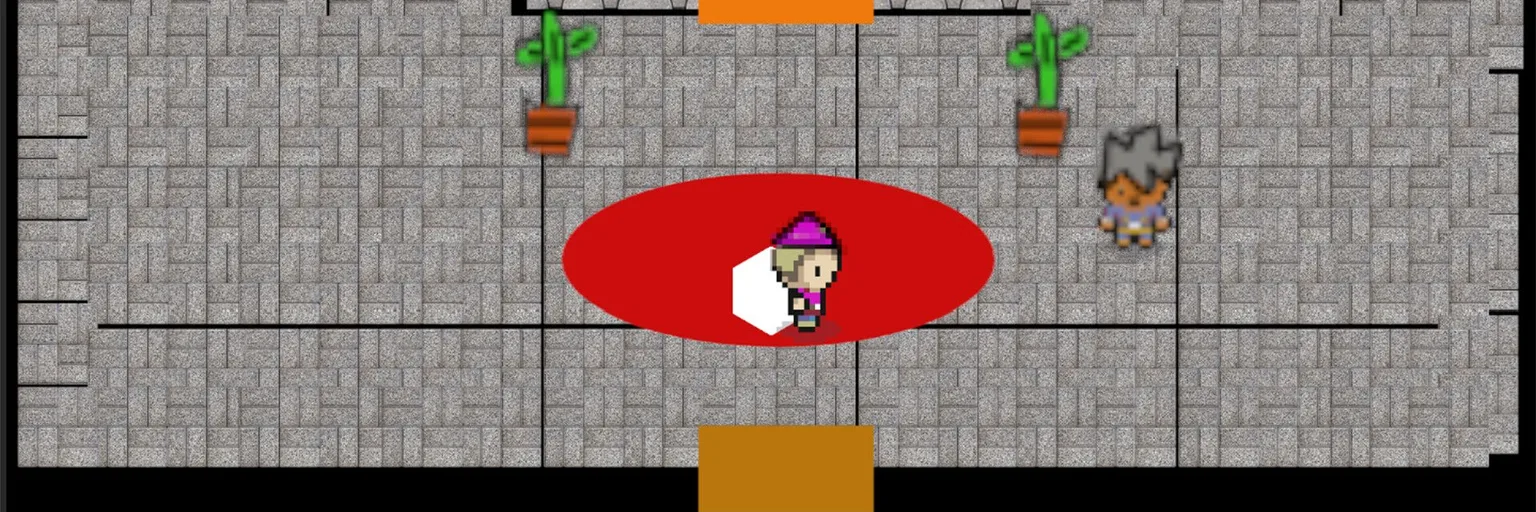
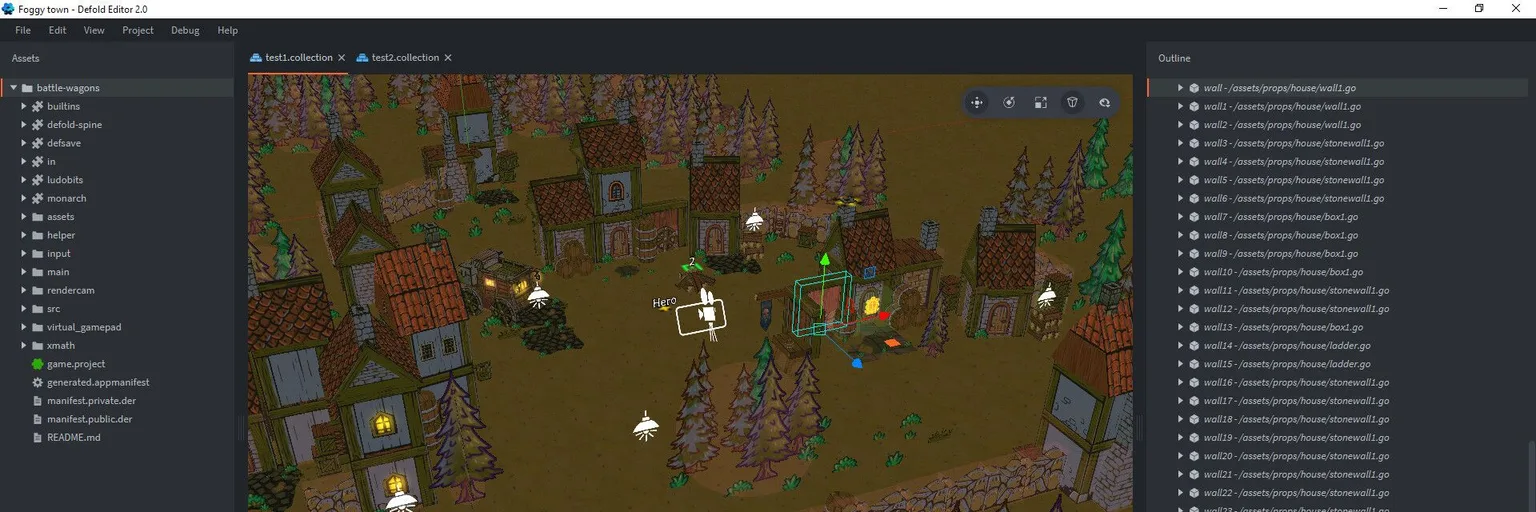
The Defold Engine's new official Xbox support could significantly democratize console game publishing for indie developers, yet its impact hinges on broader adoption beyond its established niche.
The uncertain fate of Jon Watts' secret Star Wars Western series reveals Lucasfilm's struggle to foster consistent creative visions amidst a perceived pivot back to safer, traditional theatrical releases.