A $1,000 PS6 would be the AI boom's bill landing on players
If memory costs push next-gen consoles past four figures, the industry owes players more than specs. Until then, the best protest is the PS5 you already own.
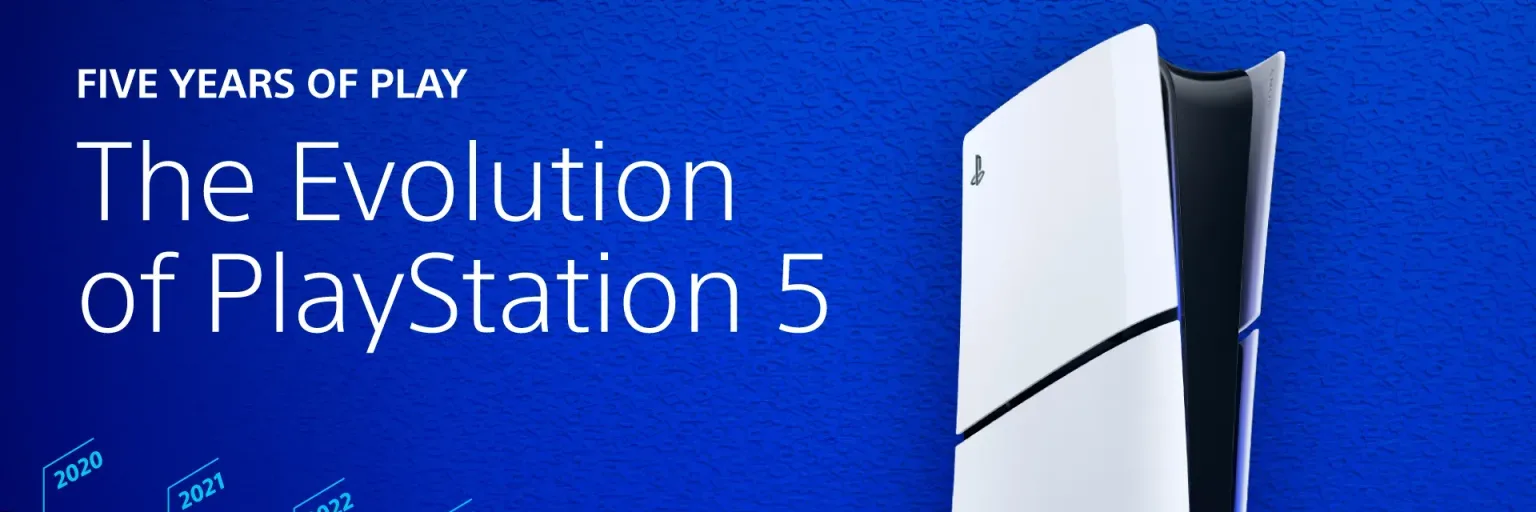
Photo: PlayStation / sala de prensa (uso editorial)
Who exactly asked for a console that costs more than a good gaming PC? Nobody did. Yet the next generation is shaping up to be the place where the AI boom sends its invoice, and the people being asked to pay it are the ones who just want to play.
Here is the trigger, with every caveat attached. A hardware leaker called KeplerL2 wrote on NeoGAF that the RAM and NAND in the PS6 "alone is over $680," a claim Video Games Chronicle relayed. It is a single forum post with no breakdown, no named suppliers and no Sony confirmation. It is also a component subtotal, not a retail price. The same leaker reportedly put GDDR7 at roughly $20 to $23 per gigabyte, against around $3 when the chips were being planned.
Sony has announced nothing about specs, price or date. The only official comment in the documentation is from May, when CEO Hiroki Totoki said the company hasn't decided on a launch or a price and that memory prices would stay very high through fiscal 2027. That is a lot of hedging, and it is worth respecting. It is also not reassuring.
The leak matters less than the direction of travel
It's easy to pick the $680 figure apart, and plenty of outlets have. Fair enough. But the trend line doesn't depend on one post. The same leaker's full-console estimate reportedly went from about $760 in March to about $960 by mid-year. Micron's CEO told investors that demand will outstrip supply through 2027 and 2028, according to Pasquale Pillitteri's recap. And the PS5 Pro is now listed at $899.99 in that same report, and sold out.
Our read: whether the PS6 lands at $799 or $1,199, the pressure only points one way. Consoles are the smallest, least powerful buyer in a fight against data centers. Sony can subsidize, trim memory or split the lineup into tiers, and every option has a cost that eventually shows up somewhere, probably in subscriptions and game prices.
Analysts disagree on where the line falls. Newzoo's Manu Rosier told GamesIndustry.biz that a base model will probably stay under $999 for psychological reasons, while premium tiers may cross $1,000. Aldora's Joost van Dreunen called "north of a grand" the floor. We lean toward Rosier's version for the base model, but that is a guess, and a $999 console is hardly a bargain.
A price like that needs a reason, and teraflops aren't one
For decades, a new generation sold itself with a bigger number. That pitch is exhausted when the number is paid for by memory inflation rather than by progress. A player doesn't feel GDDR7 pricing. They feel a console that costs more than the one it replaces, running mostly the same games.
So the burden of proof shifts to the platform holders. If you want four figures, show something a PS5 truly can't do: a genuinely new kind of game, strong backward compatibility, a clear promise that the library you already own comes with you. Without that, a $1,000 console is a luxury product being marketed as a mass-market one. Gadget Review makes the same point in blunter terms: at that price, many people will wait, hold onto their PS5 or watch from the sidelines.
Both Sony and Microsoft are exposed here. Xbox has said its next console, Helix, is in development and that memory costs will affect its pricing and availability. Neither company can claim the problem is invented, but neither gets a pass either.
Holding onto your console is the only vote you have
Players have little leverage over DRAM contracts. They have plenty over their own wallets. The most effective response to a console priced as a premium gadget is to treat it as one: skip launch day, skip the first revision, and keep playing what you have. The existing library isn't going anywhere, and a healthy install base of current hardware is exactly what makes publishers nervous about a pricey successor.
We'd also be wary of the opposite panic. Don't rush to buy a console at inflated prices out of fear it gets worse. Component costs aren't retail prices, launch timing is unconfirmed (leaks point to late 2027, with 2028 possible), and an eager buyer is the one who funds the highest price.
Our verdict: the AI boom is a real cost, but it is the industry's cost to manage, not a bill players are obliged to settle at the register. If Sony and Microsoft want four-figure consoles, they should earn them with reasons beyond the spec sheet. Until they do, the PS5 or Series X in your living room is not outdated. It is leverage.
No topics yet: start the first one.
More stories
Kutaragi's warning on consoles is a challenge, not a prophecy
The PlayStation creator says AI and servers could make consoles unnecessary. We think that's less a forecast than a test: ownership, latency and exclusives are what's left to defend.
GTA VI's $630M in pre-orders measures trust in Rockstar, not hype
Sensor Tower's estimate of 6.45M digital pre-orders for GTA VI says less about a game nobody has played and more about the credibility Rockstar has built over 13 years.

PS5 beating Switch 2 in September looks like Nintendo's price hike, not Sony's strength
The headline says Sony's old console is winning. We think Nintendo made itself easier to beat, and holiday 2026 will show whether that was a smart bet or a costly one.
GameMaker's free GMRT is smart, but the console paywall is the real test
Dropping commercial fees on GMRT from 2027 wins indie goodwill and leans on Unity's wounds, but Godot is still free and consoles stay locked behind Enterprise.