Final Fantasy VII Remake on Game Pass Makes Waiting Look Smart
Xbox players get a premium RPG without committing to the whole remake trilogy, but Game Pass still leaves publishers weighing discovery against lost sales.
Photo: Square Enix / sala de prensa (uso editorial)
What if the smartest way to play a major RPG is simply to wait? On October 29, Final Fantasy VII Remake Intergrade arrives on Xbox Game Pass, giving Xbox players access to one of the most prominent entries in Square Enix’s remake project without requiring an immediate purchase. That is excellent news for subscribers—and an uncomfortable test of what a premium game is worth after its launch window closes.
Microsoft lists Final Fantasy VII Remake Intergrade for Game Pass Ultimate, Premium and PC Game Pass, with availability across cloud, Xbox Series X|S and PC. The edition retells the original story through the escape from Midgar and includes the additional Episode INTERmission content, according to Xbox’s official announcement. The arrival is part of the service’s second October wave, which also includes smaller releases and other additions.
Game Pass removes the biggest risk of starting the remake
The remake project is explicitly a trilogy, and Intergrade is only its first part. That matters more than the size of the marketing beat. A player who has held back because the full journey is not yet available can now sample the opening chapter through an existing subscription rather than treating the first game as a standalone commitment.
That makes waiting look rational, not passive. The player avoids buying into a long-form project before deciding whether its retelling, combat and expanded Midgar story deserve further investment. The subscription turns the first step into a lower-friction audition. If the game lands, the player is more likely to remain engaged with the broader Final Fantasy VII project. If it does not, the cost of discovering that mismatch is limited to the subscription already being maintained.
This is where Game Pass is at its strongest: not as a replacement for every purchase, but as a machine for lowering hesitation. A recognizable RPG with a substantial narrative is a much more persuasive addition than another anonymous catalog filler. Final Fantasy VII Remake Intergrade gives Xbox players a clear reason to browse the service now, while its cloud, console and PC presence makes the invitation unusually broad.
The premium launch window is still the part publishers surrender
For players, access is the obvious win. For publishers, the calculation is less comfortable. Adding a game to a subscription means exchanging some direct sales opportunities for reach, discovery and the possibility that more people will continue into the surrounding franchise. Those benefits are real possibilities, not guaranteed outcomes—and the documentation does not reveal Square Enix’s financial terms or performance expectations here.
That uncertainty is the central tension. The launch period is when a major release can command the most attention and the strongest purchase intent. Game Pass is most valuable to consumers precisely because it weakens that pressure. The service tells players they can wait, and waiting is a powerful negotiating position when the title eventually enters the catalog.
Yet a game that is easier to try can also become easier to recommend. Final Fantasy VII Remake Intergrade is not arriving as an isolated curiosity; it is the first part of a larger remake story. In our view, that makes it a plausible discovery investment. The publisher is not merely placing an old game on a shelf. It is putting an entry point in front of an audience that may otherwise never have started.
The danger is that discovery becomes the excuse used to justify every delayed purchase. If subscribers learn that patience reliably brings premium games into the catalog, Game Pass can train them to stop buying at launch. That is good consumer behavior and potentially difficult industry economics.
This is a better Game Pass addition than a simple “big name” flex
The timing also gives the addition a sharper purpose. Xbox had already announced Final Fantasy VII Remake Intergrade for Xbox on January 22, 2026, as Xbox Wire reported. Its Game Pass arrival is therefore not the platform’s first opportunity to make the game available; it is a second push built around subscription access.
That distinction matters. Game Pass does not need every major game to debut there to be persuasive. It can use a release that has already had time to establish its identity, then reframe it as a reason to join or remain subscribed. For the player, that can be the ideal moment: enough context exists to understand what the game is, but the purchase barrier has fallen away.
The result is a catalog addition with more strategic weight than its October placement suggests. Intergrade can fill a gap in an Xbox player’s RPG library, introduce newcomers to the remake project and give existing subscribers a substantial reason to return. It also demonstrates the service’s quiet power: making a game feel newly relevant without pretending it is new.
Waiting wins—but only if you actually want to play now
The recommendation is straightforward. If you already have the relevant Game Pass plan and have been curious about Final Fantasy VII Remake Intergrade, waiting for October 29 is the sensible move. There is no reason to pay for access before the subscription version arrives, especially when the game is being offered across cloud, console and PC.
But waiting should not be confused with rejecting the game’s value. If you want to support premium launches or own your access independently of a catalog, a purchase remains a different proposition. Game Pass makes discovery cheaper; it does not make ownership irrelevant.
Our verdict is firmly pro-Game Pass for players and cautiously pro-Game Pass for publishers. Final Fantasy VII Remake Intergrade is exactly the kind of ambitious, story-driven RPG that can make a subscription feel essential. But it also exposes the bargain at the heart of the model: consumers gain flexibility by delaying commitment, while publishers must decide whether the audience they discover is worth the premium window they gave up.
No topics yet: start the first one.
More stories
Xbox Nano Controller: Small Size, Big Statement for Cloud Gaming
Microsoft's new Xbox Nano Controller, priced at $49.99, is a strategic accessory positioning the brand to conquer portable and cloud gaming, despite its inherent design trade-offs.
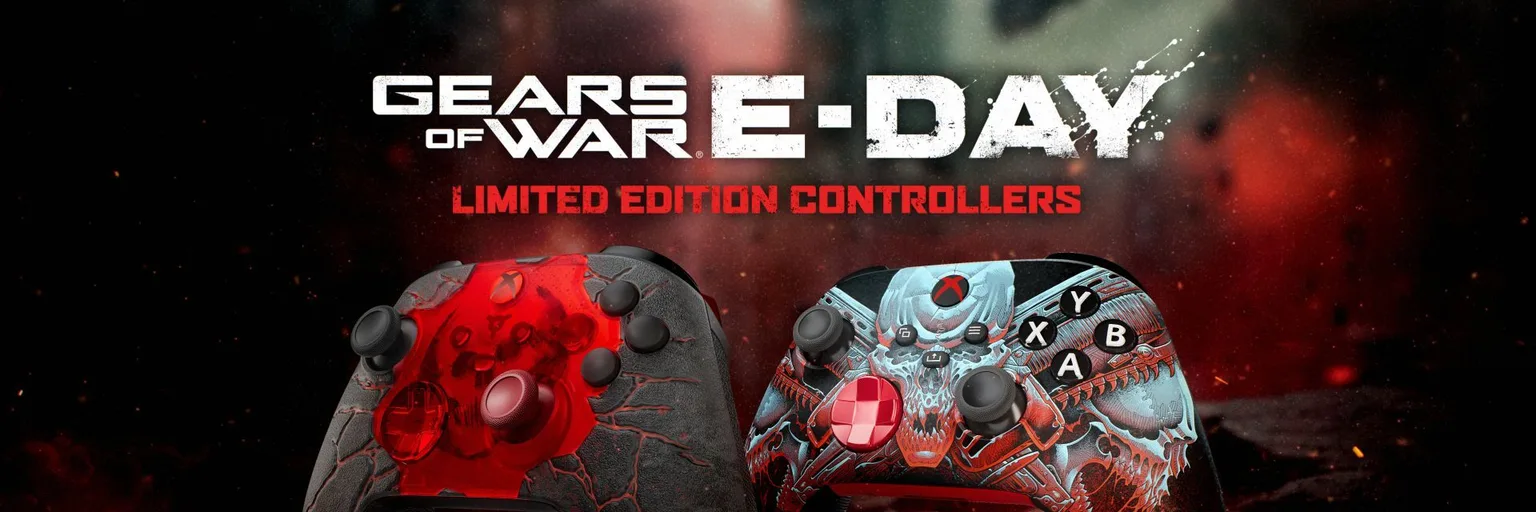
Xbox Surveys Hint at Major Exclusivity Shift for Top Franchises
New surveys reveal Microsoft is gauging interest in making powerhouse franchises like Fallout, The Elder Scrolls, and Minecraft console-exclusive, signaling a potential reversal from its recent multiplatform stance.
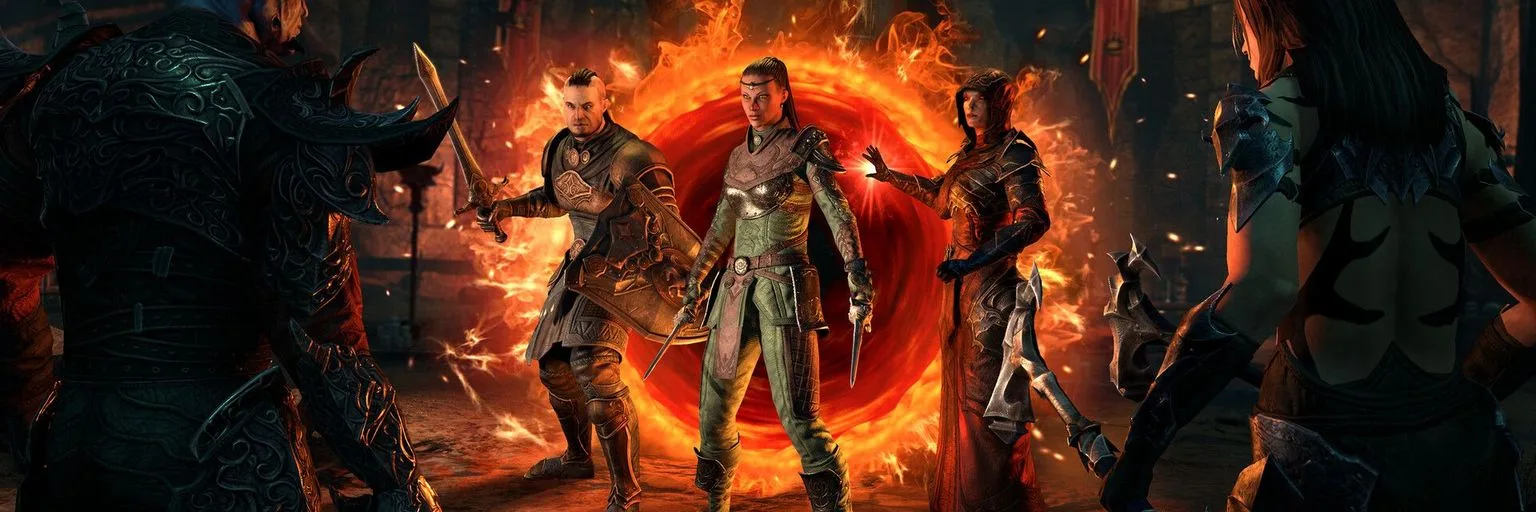
Xbox's New Streak System: Engagement Booster or Gamified Chore?
Microsoft is testing a prominent 'Streak' system on the Xbox dashboard, aiming to reward consistent players and align with ambitious user engagement goals, but it raises questions about genuine enjoyment versus manufactured habit.
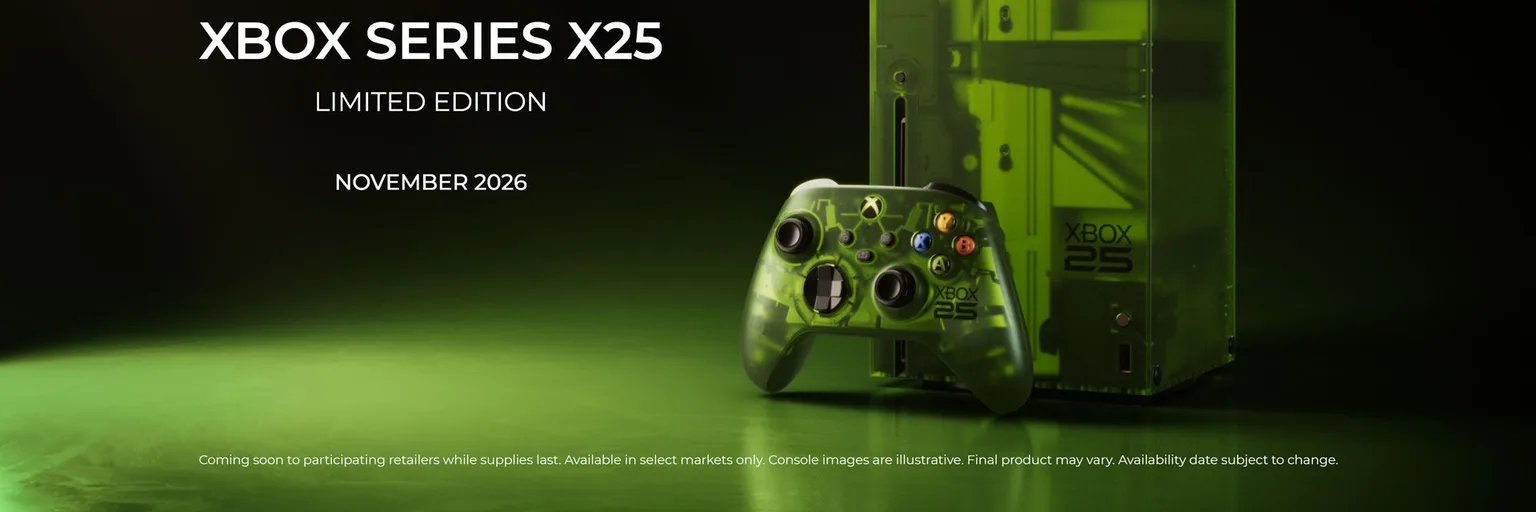
Gears of War: E-Day's 'Soft' Sales Force a Hard Look at Game Pass's Future
Rhys Elliott's analysis of Gears of War: E-Day's initial sales figures reignites the debate on whether Game Pass truly benefits a title's long-term sales or cannibalizes them, pushing Xbox to a critical crossroads.