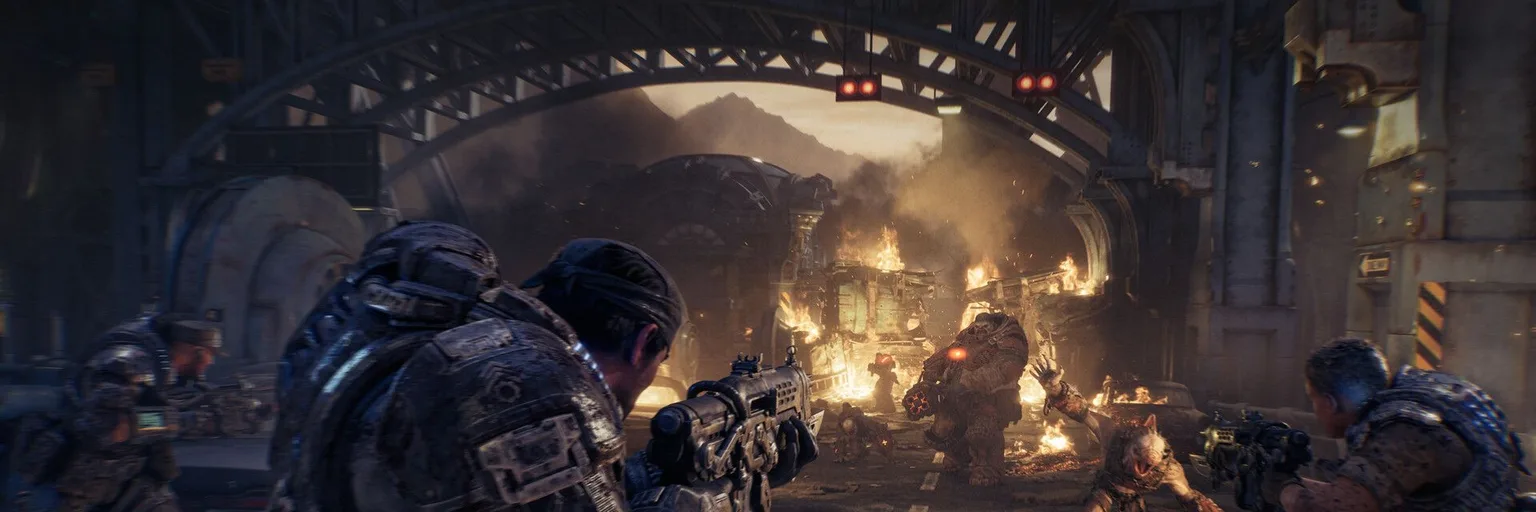
Xbox's backward compatibility is the ownership argument PlayStation can't answer
Microsoft joined consoles late and still built the friendliest library for players who want to keep what they paid for. Sony's patchier approach looks weak next to it.
AI-generated image
Why does the company that showed up last to the console business keep the best memory? It's a fair question, and Engadget asks it bluntly: how can Xbox trounce the PS5's backward compatibility when Microsoft didn't even enter the console game until 2001? We think the answer says more about philosophy than engineering.
The gap is real, and it isn't close
The headline is Engadget's, but it isn't a lone opinion. As WindowsForum summarizes, Roger Fingas's argument that Xbox beats PlayStation is largely backed by the official support pages, though the comparison is more precise than the headline. A separate analysis from BGR, as relayed by the same site, describes the Xbox Series X and S as offering a significantly broader multi-generational program than the PS5. Another outlet, News Minimalist, says Sony offers some older titles on the PS5 but nowhere near the number Microsoft added, and that the difference traces back to one decision made years ago.
The reporting we've seen doesn't say exactly which decision that was, so we won't pretend to. What we can say is that the result is visible. In our reading, Microsoft treated old games as something the platform owed its players, while Sony treated them as something it could provide when convenient.
Patchy is a business model, not an accident
Look at how Sony's old games show up. Comicbook reports that three PS2 and PS1 games are now available for free to some PS5 users. The headline doesn't say how, and we shouldn't guess at the mechanics. But "some users" is the tell. When the past arrives in selective batches, with conditions on who gets it, it looks like a product to be managed. It isn't a promise.
That's our reading, and it's an opinion. Still, the contrast is hard to ignore. Microsoft's approach, as CNET described, included a new batch of old games on Series X and S to celebrate the original Xbox's 20th anniversary. One company marks its history by making it playable. The other, it seems to us, drip-feeds it.
For ownership-minded players, this is the whole argument
Here is where we'll plant a flag. In an era when a disc often feels like a license, or a download key with a shiny coaster attached, the question that matters is whether your purchases outlive the hardware. A console that carries your library forward is the closest thing mainstream gaming has to an ownership guarantee. Specs fade within a generation. A library that survives the next one doesn't.
That is why backward compatibility is underrated as a buying factor and overrated as a nostalgia feature. People talk about it as a nice bonus for replaying old favorites. We think it's closer to consumer protection. It tells you whether a platform holder respects what you already paid for.
Is Xbox perfect? No. The comparison is more nuanced than any headline, and we don't have exact game counts we'd trust for a head-to-head. Nobody should claim Microsoft covers everything, and we haven't verified that it does. But "not perfect" and "can't be matched" are different claims, and in our view the evidence supports the second one more than Sony would like.
Buy where your library will follow you
If you care about keeping your library, weigh backward compatibility like you weigh price and exclusives. Don't treat it as an afterthought. Buy where your past purchases are most likely to follow you.
And to Sony, a polite suggestion: free old games for some users are a nice gesture, but they don't answer the real question. Players aren't asking for a gift. They're asking whether what they bought still counts. On that, Xbox has the better record, and in our view it's not close.
No topics yet: start the first one.
More stories
Xbox's 25th anniversary gift is a promise, not a game
Wolfenstein 3 and a new id Software project show Xbox leaning on Bethesda's shooter heritage, but with no dates and nine years since the last mainline game, applause can wait.
Harada is right about the Series S, but wrong about the fix
The Tekken veteran's complaint isn't about one cheap console. It's about a mandatory weaker baseline, and Microsoft should stop treating it as one before the next generation.
Xbox is a publisher first now, and it's time to judge it that way
Final Fantasy VII Remake Intergrade lands on Game Pass while a 92-rated Xbox game vanishes from the Xbox Store. Both point to the same Xbox: a publisher first.
Blaming Xbox players for E-Day's sales lets Microsoft off the hook
Soft retail numbers for Gears of War: E-Day say more about Game Pass, a crowded calendar and Xbox's platform strategy than about fans who supposedly failed to put money where their mouths are.