Zelda's Remake Isn't Challenging GTA 6: It's Redefining Competition
Nintendo's bold decision to launch The Legend of Zelda: Ocarina of Time Remake weeks before Grand Theft Auto 6 signals a unique confidence in exclusive quality over direct market clash, proving its distinct appeal remains a powerful force.
Photo: Nintendo / sala de prensa (uso editorial)
Can any game truly stand against the cultural juggernaut that is Grand Theft Auto 6? Most publishers would flinch at the mere thought of a November release, a month now indelibly marked by Rockstar's impending titan. Yet, Nintendo, ever the maverick, has not only scheduled a major launch for its new console but has chosen November 5th for The Legend of Zelda: Ocarina of Time Remake on the Nintendo Switch 2. This move isn't a challenge in the traditional sense; it's a declaration of a different kind of market confidence.
Nintendo announced the full remake of the iconic 1998 Nintendo 64 title with a release date of November 5, 2026, just weeks before Grand Theft Auto 6 is expected to arrive. This puts two of the industry's biggest names in close proximity, a situation that many in the gaming world have likened to the "Barbenheimer" moment of 2023, where two distinct cinematic blockbusters drove audiences back to theaters. The Legend of Zelda: Ocarina of Time Remake is set to launch two weeks before Grand Theft Auto 6, a release window that most publishers would typically avoid.
However, this isn't a direct confrontation on the same battleground. The core argument is that Nintendo isn't competing with GTA 6 in a traditional sense. Ocarina of Time Remake is launching exclusively on the Nintendo Switch 2, while Grand Theft Auto 6 is not currently slated for a Nintendo platform. This means there's no cannibalization of sales between the two titles. Nintendo has historically carved its own path, engaging with an entirely different audience and strategy. Instead of a zero-sum game, this proximity could create a unique industry moment, highlighting two distinct experiences.
The choice to release a remake of Ocarina of Time, often heralded as one of the greatest games of all time, underscores Nintendo's confidence. The potential for strong remake sales is well-documented, as seen with the Resident Evil 2 and Resident Evil 4 remakes, which significantly outsold their originals by appealing to a new generation of players who have heard of these classics but found the originals outdated. The Zelda franchise has seen immense growth, with Breath of the Wild selling over 34 million copies and Tears of the Kingdom approaching 23 million, vastly expanding the series' commercial reach beyond Ocarina of Time's original 6.5 million sales across its 1998 and 2011 releases.
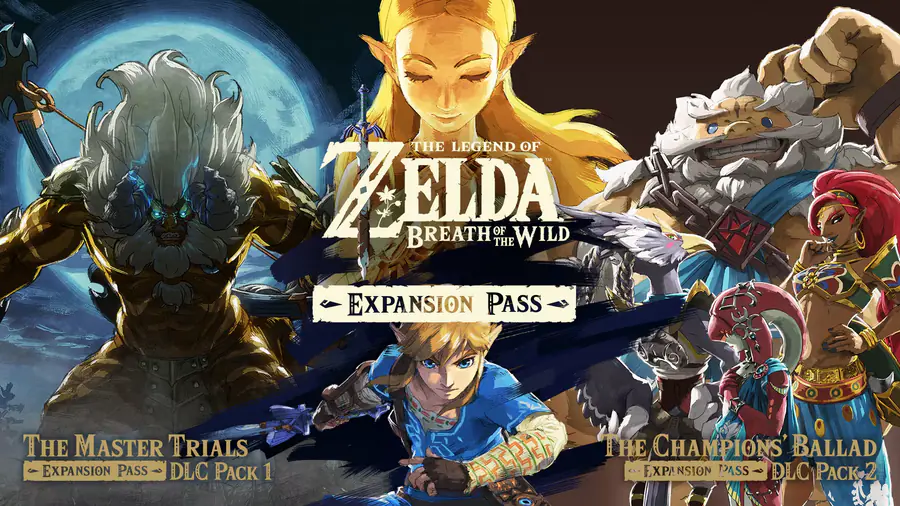
Pre-release indicators suggest this strategy is paying off. Outside of Grand Theft Auto 6, Ocarina of Time Remake has attracted significant attention, emerging as the clear winner of this year's Summer Game Fest season in terms of trailer views and press interest. The Nintendo Direct reveal for the game drew 2.1 million peak viewers, a strong figure compared to PlayStation's State of Play at one million, though less than Grand Theft Auto 6's 4.1 million YouTube peak. The remake's trailer itself amassed 55 million views in less than a day, demonstrating substantial organic buzz.
Furthermore, this remake isn't just a graphical facelift. It introduces modern gameplay features like button-based jumping, full camera control, a running ability, and faster swimming, along with item scrolling similar to Breath of the Wild. Locations such as Hyrule Castle Town are expanded into fully explorable areas, and time now passes continuously. These updates aim to introduce the classic to a new audience while offering a refined experience for veterans. Nintendo is expected to heavily push this title, much like PlayStation and Xbox will support Grand Theft Auto 6, cementing Ocarina of Time Remake as a significant holiday release on the Nintendo Switch 2.
Ultimately, Nintendo's release strategy is a statement. By launching one of its most beloved titles weeks before an industry giant, it asserts that quality, platform exclusivity, and a distinct gameplay identity are powerful enough to thrive without direct competition. It's a reminder that the gaming landscape is broad enough for diverse approaches, and sometimes, the best strategy is simply to play by your own rules.
No topics yet: start the first one.
More stories
Why Nintendo Doesn't Fear GTA 6's Shadow on Switch 2
While Cdiscount lists Grand Theft Auto VI for Switch 2, Nintendo's non-committal response and focus on its unique ecosystem reveal a strategy where direct competition with Rockstar is secondary to its exclusive IPs.
Frostpunk's Late Arrival: A Genius Second Life or Market Saturation?
Eight years after its PC debut, the acclaimed survival strategy game Frostpunk is finally making its way to Nintendo Switch, highlighting the complex dance between platform strategy, enduring appeal, and the challenge of quality ports in an increasingly crowded market.
Kingdom Hearts on Switch 2: Native Power Over Cloud Compromise
Square Enix's decision to bring native Kingdom Hearts to Nintendo Switch 2, while abandoning its problematic cloud versions, is a clear admission that local hardware performance triumphs streaming, despite new optimization challenges.
Nintendo's Hyrule Gambit: The Zelda Movie is More Than Just Mario 2.0
With strong rumors swirling about an imminent trailer for 'The Legend of Zelda' film, Nintendo appears to be strategically evolving its cinematic ambitions beyond the 'Super Mario' success, aiming for a deeper, more narrative-driven experience.