Nintendo's Hyrule Gambit: The Zelda Movie is More Than Just Mario 2.0
With strong rumors swirling about an imminent trailer for 'The Legend of Zelda' film, Nintendo appears to be strategically evolving its cinematic ambitions beyond the 'Super Mario' success, aiming for a deeper, more narrative-driven experience.
AI-generated image
Will Nintendo’s cinematic journey, ignited by the colossal success of The Super Mario Bros. Movie, truly double down with a The Legend of Zelda adaptation? All signs point to an emphatic yes, suggesting this isn't merely a sequel to their initial foray but a deliberate expansion into more ambitious storytelling within the film industry.
Recent rumblings across the internet indicate that a first trailer for The Legend of Zelda movie could be just around the corner. A persistent rumor from movie insider iNCREDiPiNOY suggests that Nintendo and Sony are reportedly planning to unveil the initial trailer on October 8, 2026. This supposed premiere, according to speculation, might accompany another upcoming Sony film, “The Social,” in theaters, as also reported by GameFAQs. While no official announcement has been made, the sheer volume of these rumors, as highlighted by Nintenderos, indicates that Nintendo is likely gearing up for a major reveal.
What is confirmed is the film's title, The Legend of Zelda, and its slated release date of April 30, 2027, as Hardwarepremium confirms. Critically, Nintendo has stated the film will tell an original story inspired by the games, a key detail that suggests a departure from direct adaptation.
The Mario Blueprint, Refined and Evolved
The Super Mario Bros. Movie wasn't just a hit; it was a phenomenon. It proved that Nintendo's beloved characters could translate successfully to the big screen, dismantling decades of skepticism surrounding video game adaptations. However, Mario offered a relatively straightforward, colorful, and family-friendly adventure. The Legend of Zelda presents a different beast entirely. It’s a franchise steeped in complex lore, emotional depth, and often melancholic narratives.
Nintendo's decision to pursue this adaptation immediately after Mario's triumph signals a confidence that extends beyond simple brand recognition. In our view, it suggests a strategic shift from merely adapting existing games to leveraging their IP for diverse, narrative-driven cinematic experiences that can stand on their own merits. This isn't just about recreating Hyrule; it's about expanding Nintendo's storytelling prowess into a new medium with heightened artistic ambition. The success of Mario has given Nintendo the confidence and financial runway to tackle something inherently more complex.
Hyrule's Cinematic Canvas: Crafting an Original Epic
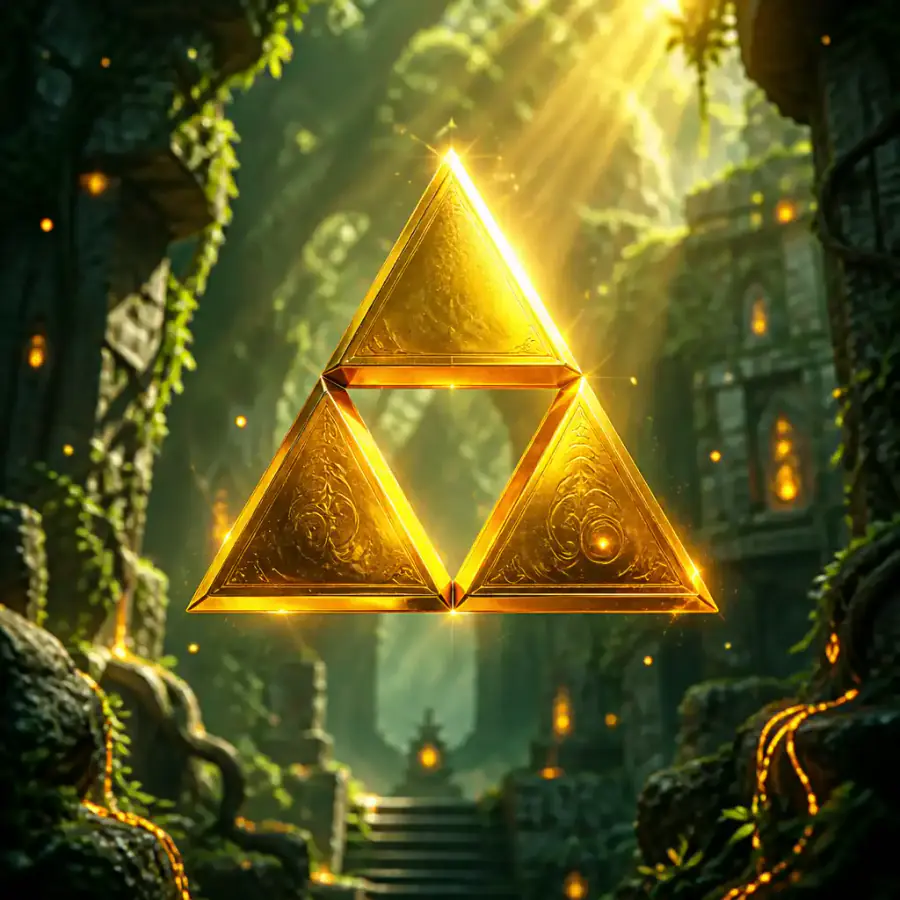
While Mario's world is vibrant and chaotic, Hyrule is epic, mysterious, and often tinged with ancient tragedy. The Zelda games have consistently delivered rich narratives, complex characters, and sprawling open worlds that beg for cinematic exploration. An original story, as Nintendo promises, offers a unique opportunity to craft a compelling narrative that respects the franchise's legacy while forging new ground. This move, in our view, is a calculated risk that could redefine what a video game adaptation can achieve.
It steps away from direct game-to-screen conversions and instead aims to capture the essence of Hyrule – its sense of adventure, its recurring themes of destiny and courage, and its iconic hero, Link – for a new medium. This approach, similar to how Marvel built an interconnected universe from disparate comic book runs, might allow the film to resonate with both longtime fans and a broader audience unfamiliar with the games' intricacies. It bypasses the pitfalls of adapting a specific game's plot, allowing for creative freedom while maintaining thematic consistency, a crucial factor for box office success and critical acclaim.
The Art of the Tease: Building a New Kind of Anticipation
Nintendo is a master of anticipation, whether for a new console or a highly-anticipated game. Their marketing strategy for The Legend of Zelda movie follows a similar playbook, albeit for a different kind of audience. By confirming the title and release date early but holding back actual footage, Nintendo is employing a classic build-up, much like we see with high-profile video game launches. This deliberate slow reveal, rather than a full-blown trailer dropped prematurely, is designed to fuel speculation and discussion, ensuring the film remains a talking point until its eventual release. It transforms the wait into an active part of the engagement, building a unique sense of anticipation for a movie poised to redefine Nintendo’s cinematic future.
No topics yet: start the first one.