Hollow Knight's Transmedia Potential: A Strategy Beyond the Screen
While film and TV adaptations dominate headlines, indie hits like Hollow Knight possess rich lore and massive success, making them prime candidates for diverse transmedia expansions that extend their universe.
AI-generated image
The gaming industry has long seen its most successful franchises leap from consoles to the silver screen, proving the power of transmedia storytelling. But what about the burgeoning world of indie hits like Hollow Knight? With its intricate world and passionate community, we contend that this critically acclaimed game represents a powerful, largely untapped opportunity for diverse transmedia expansion that could extend its brand and engage fans far beyond traditional gameplay.
Hollow Knight has achieved immense success, with the original game selling over 15 million copies worldwide since its 2017 launch. Its highly anticipated sequel, Hollow Knight: Silksong, also made an immediate impact, selling seven million copies in its first three months after launching on September 4, 2025. Such figures underline an IP with undeniable power and a passionate community eager for more of its hauntingly beautiful world.
Indie games are an untapped well of transmedia potential
For years, major AAA franchises have dominated the transmedia landscape, with Hollywood eagerly snapping up adaptation rights. We’ve seen this with the acclaimed Arcane: League of Legends series and even the highly rated recent Resident Evil film adaptation, proving that video game stories can resonate profoundly in other mediums. More recently, WN Hub reports Embark Studios' games Arc Raiders and The Finals are also set for TV and film adaptations, with Chernin Entertainment, known for the successful Backrooms film, at the helm. As GosuGamers details, Arc Raiders, for instance, premiered in October 2025 and has already surpassed 16 million sales, showing the kind of commercial success that attracts film producers.
However, these are often massive undertakings with equally massive budgets and inherent risks. For an indie game like Hollow Knight, which originated from a three-person team in Australia, a different, perhaps more agile, approach might be creatively aligned. The game's success, including breaking all-time concurrent player records on Steam with the buzz around Silksong, isn't just about sales; it's about a rich, captivating world and deep lore that lends itself perfectly to narrative expansion beyond interactive entertainment.
Beyond the screen: diverse paths for IP growth
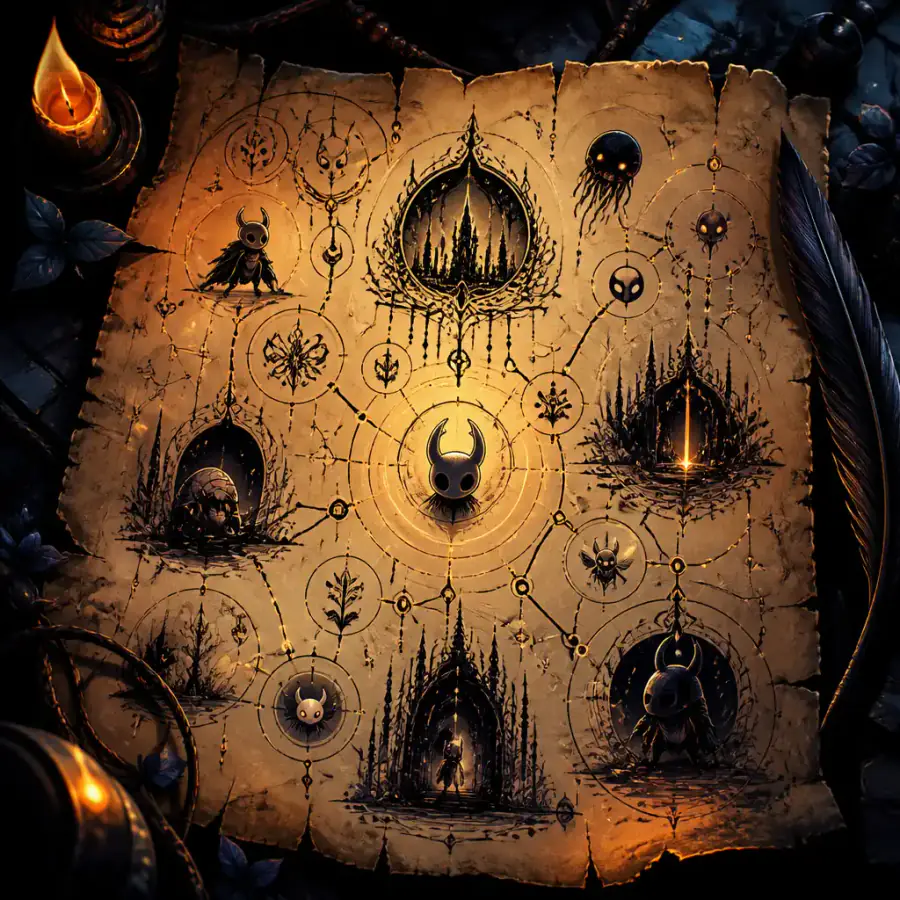
While the allure of a blockbuster film or TV series is obvious, other forms of transmedia can offer distinct advantages for indie IPs. Options like graphic novels, narrative podcasts, or even detailed lore books provide cost-effective and creatively flexible platforms to delve deeper into the established universe without the colossal financial commitments or the potential for creative dilution that often accompanies large-scale visual adaptations. The existing 'Hollow Knight - Wanderer's Journal', produced in collaboration with Team Cherry, already highlights an appetite for written lore and world-building among fans, demonstrating that an audience for non-game content is present.
For Hollow Knight, renowned for its hauntingly beautiful art and challenging gameplay, a literary or graphic narrative could allow for the exploration of Hallownest’s mysteries in a different dimension. It’s an opportunity to build on the intricate world-building and emotional depth that defined the game, without needing to translate pixel art or 2D platforming mechanics into a different visual language that might not capture the original magic. This approach honors the artistic integrity that has been a hallmark of Team Cherry's journey, from a modest two-hour project to a 30-60 hour epic that rivals AAA productions.
Sustaining engagement and bridging the gaps
One of the most significant benefits of diverse transmedia expansions is their ability to keep an IP vibrant and relevant between major game releases. While Silksong has been a monumental success, the development cycles for games of this scope are lengthy. Complementary media can serve as a narrative bridge, sustaining fan engagement and reminding the community of the IP’s enduring appeal. It offers new ways for players to connect with the world and characters they love, fostering a deeper bond with the franchise.
Moreover, a well-executed transmedia project can introduce new fans to the Hollow Knight universe or re-engage those who might not actively play games but are drawn to compelling narratives. This broadens the audience for the IP, creating new revenue streams and strengthening the overall brand. It’s a strategic move that recognizes the power of storytelling as the core of an IP, regardless of its original medium.
In our view, the potential for Hollow Knight to expand into diverse transmedia is immense. By exploring options beyond traditional film and TV adaptations, this beloved indie IP could maximize its potential, proving that passion, persistence, and creative expansion truly pay off for games that build worlds worth exploring in every possible format.
No topics yet: start the first one.
More stories
Monster Hunter Rise at 20 Million: Capcom's Enduring Blueprint for Success
Capcom's Monster Hunter Rise has defied expectations by surpassing 20 million units sold, showcasing a masterful approach to iterative design, strategic platform expansion, and sustained player engagement that offers crucial lessons for the industry.

Star Wars: Galactic Racer Sets a New Standard for Licensed Game Launches
Fuse Games' debut title, Star Wars: Galactic Racer, isn't just a thrilling Burnout-successor; its day-one multi-platform release maps a potent strategy for major IPs in the evolving games market.

Warhammer Survivors: The Crossover No One Saw Coming
The imminent launch of Warhammer Survivors, merging the grimdark Warhammer universe with the addictive Vampire Survivors formula, is a surprisingly brilliant move to expand both IPs.
The Witcher 3 Remastered: A Masterclass in Post-Launch Revitalization
CD Projekt Red's free Remastered update for The Witcher 3, bringing significant enhancements, has reignited player engagement and sales, setting a new standard for preserving and enhancing gaming classics.