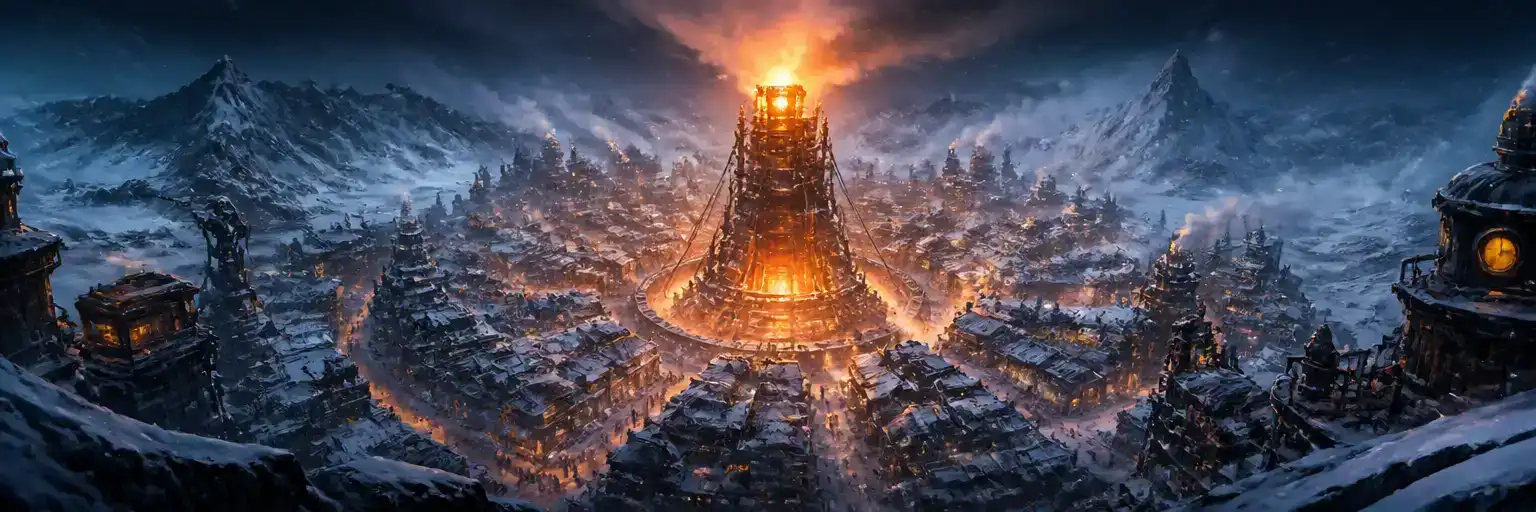
Ocarina of Time Remake: Is Its Fidelity a Flaw, or Just Faithfulness?
The highly anticipated *Zelda: Ocarina of Time* remake on Switch 2 is earning accolades for its breathtaking visuals and mechanical refinements, yet its staunch adherence to some original elements sparks debate on what a modern experience truly entails.
Photo: Phree Works / Steam (uso editorial)
The return of The Legend of Zelda: Ocarina of Time on Nintendo Switch 2, arriving November 5th, has sent a ripple of excitement through the gaming world, punctuated by a new overview trailer and a deluge of positive hands-on previews. Critics from outlets like Nintendo Life, Shacknews, and NPR have praised the remake's visual overhaul and gameplay refinements, largely hailing it as a triumph. Yet, amidst the praise for its faithful recreation and modern enhancements, some questions arise regarding the balance between reverence for a classic and the demands of contemporary game design.
While Nintendo has clearly poured immense effort into modernizing this 1998 classic for a new generation, we at Gamersfera can't help but wonder if its unwavering commitment to every aspect of the original, even its well-known quirks, represents a missed opportunity. Is absolute faithfulness always the best path, or should some elements evolve with the times?
A Visual Masterclass: Reimagining Hyrule's Charm
Previews consistently highlight the breathtaking detail and overhauled visuals that transport players into a vibrantly reimagined Hyrule. Shacknews, for instance, lauded the "rich colors and textures" and even declared the water effects a "new contender for Shacknews’ Best Water award." This isn't just a graphical upgrade; it's a complete artistic reinterpretation. Mashable notes the game's adoption of "exceptionally high levels of detail across nearly every texture," creating a look that is less anime-coded and more akin to a "very high-quality puppet diorama." This approach aims to make the fantasy world feel "tangible and believable," from Link's "wooden Deku Shield" to his "green tunic that looks like a bunch of forest children wove it using plant fibers." NPR further detailed how fairies are now "furry creatures with mosaic wings" and Link’s tunic is a "hand-stitched jumble of embroidered fabrics and leathers." These intricate details extend to the environments, with Kokiri Forest described as brimming with "dappled light and rippling waters," and Hyrule Field, though "tiny by today's gaming standards," still feeling "as vast as I remembered thanks to clever atmospheric lightning." Hyrule Castle Town, too, is more lively than ever, "teeming with banners, flowers and colorful citizenry."
Modern Touches: Enhanced Controls and New Depths
Beyond the visual splendor, Nintendo has implemented several mechanical refinements. The most notable additions are a dedicated jump button and a sprint function, features that were conspicuously absent in the 1998 original. While the original game handled jumps automatically when running off ledges, players can now "hop on command" (as described by NPR), bringing Link's movement more in line with contemporary action-adventure titles.
No topics yet: start the first one.
More stories
Nintendo's GBA Strategy: A Masterclass in Curated Nostalgia and Modern Engagement
Nintendo's latest Switch Online additions for Game Boy Advance reveal a deliberate focus on quality and an enhanced player experience, positioning the service as a premium retro destination.

Zelda's Remake Isn't Challenging GTA 6: It's Redefining Competition
Nintendo's bold decision to launch The Legend of Zelda: Ocarina of Time Remake weeks before Grand Theft Auto 6 signals a unique confidence in exclusive quality over direct market clash, proving its distinct appeal remains a powerful force.
Why Nintendo Doesn't Fear GTA 6's Shadow on Switch 2
While Cdiscount lists Grand Theft Auto VI for Switch 2, Nintendo's non-committal response and focus on its unique ecosystem reveal a strategy where direct competition with Rockstar is secondary to its exclusive IPs.
Frostpunk's Late Arrival: A Genius Second Life or Market Saturation?
Eight years after its PC debut, the acclaimed survival strategy game Frostpunk is finally making its way to Nintendo Switch, highlighting the complex dance between platform strategy, enduring appeal, and the challenge of quality ports in an increasingly crowded market.