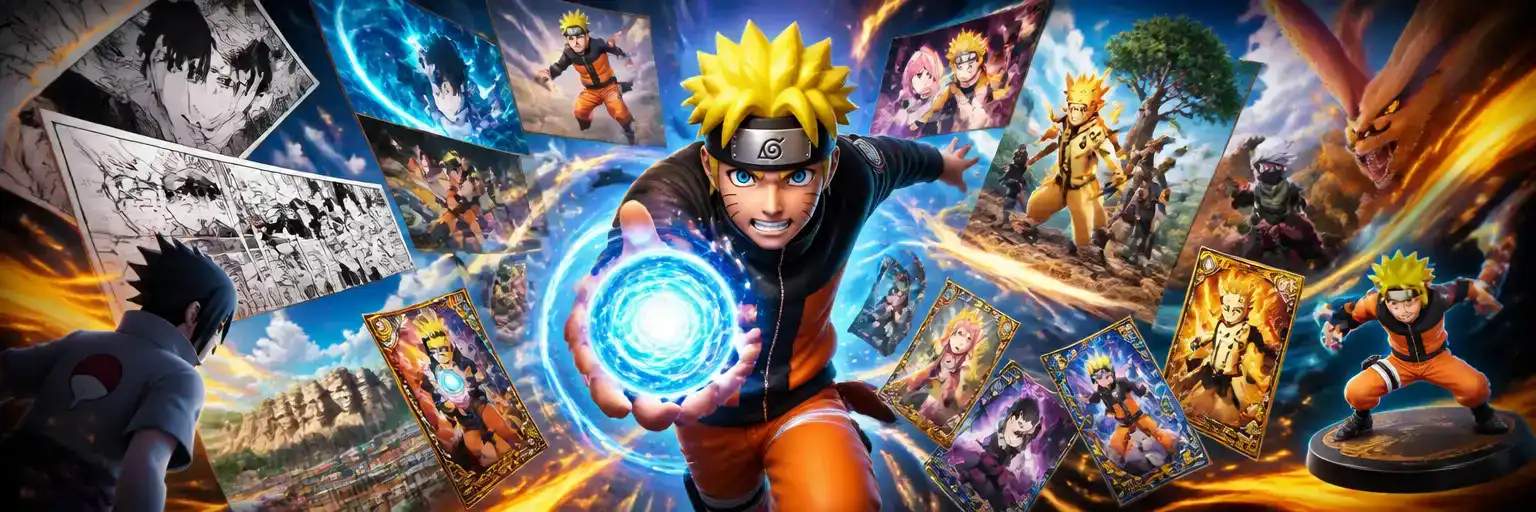
Naruto's Next Chapter: Why Kishimoto's Return Defines Its Future
Masashi Kishimoto's direct involvement in the new 'Shadow Rising' manga and related projects is a powerful signal that established franchises can not only endure but thrive and redefine themselves under original creative vision.
Photo: Tomás Del Coro from Fabulous Las Vegas, Nevada, USA / Wikimedia Commons (CC BY-SA 4.0)
Can a global franchise, decades in the making, truly evolve and redefine itself without losing its soul? The recent announcements for Naruto suggest a resounding yes, signaling that the direct involvement of original creator Masashi Kishimoto is not merely a bonus, but a game-changer for the future of the Hidden Leaf Village and beyond.
New York Comic Con 2026 brought significant news for Naruto fans with the unveiling of a new manga titled Shadow Rising, directly penned by Kishimoto himself, alongside a new anime TV series. This isn't just another spin-off; Kishimoto's direct involvement in the new Shadow Rising manga sends a clear message about the franchise's trajectory. Despite early details about the manga being light, as IGN reported, it looks like a deliberate move to revitalize the core universe, reminding us that sometimes, to push forward, you must return to the source.
The Indispensable Hand of the Creator
For years, we've seen numerous beloved series attempt to continue their narratives or expand their worlds, often with mixed results when the original creative force steps aside. Shadow Rising stands apart by firmly placing Kishimoto back at the helm of a new manga. While plot specifics remain scarce, as documented by IGN from the New York Comic Con panel, the simple fact of his drawing and direct involvement is the most crucial detail of all. It instills confidence that the characters, world, and underlying themes will maintain their authenticity and depth, echoing the very spirit that captivated millions in the first place. This commitment ensures that the evolution is organic, not just a contractual obligation, preventing the dilution of the storytelling that often plagues extended universes.
A Transmedia Expansion with Strategic Depth
Beyond the manga, the Naruto franchise is embarking on a broader transmedia strategy that truly aims to expand its reach. The announcement of Naruto x Ninku, a full-on anime crossover series supervised by both Kishimoto and NINKŪ creator Koji Kiriyama, is an intriguing development. This crossover, featuring Team 7 getting lost in another world and encountering Fūsuke, as detailed by IGN, suggests a willingness to explore new narrative frontiers while still honoring existing lore. This dual approach—a new manga and a creative anime crossover—allows the franchise to cater to different segments of its audience, from purists yearning for more of the core story to those eager for fresh, imaginative takes.
Furthermore, the update on the live-action movie, with director Destin Daniel Cretton expressing his honor in bringing Kishimoto's world to life, underscores a comprehensive vision. Cretton’s sentiment that they are approaching the world and characters with "a lot of care" and want to "capture what makes NARUTO so special" is reassuring. It appears the entire Naruto ecosystem is being meticulously crafted under a unified banner of creative integrity, driven by Kishimoto's original vision.
Reinventing Success Without Forgetting Roots
The challenge for any long-running franchise is to innovate without alienating its established fanbase. The new Naruto manga, with Kishimoto's direct authorship, seems uniquely positioned to navigate this tightrope. It promises a narrative direction that feels authentic, while the broader multimedia initiatives, like the Naruto x Ninku anime, allow for more experimental narratives. This strategy enables a controlled evolution, where the central story remains under its original architect, while other ventures can explore new formats and partnerships. It's a testament to the power of intellectual property when managed with respect for its origins and a clear vision for its future.
In our view, this confluence of new content, all deeply connected to the creator, suggests a new golden age for Naruto. It’s a smart play that could very well set a precedent for how other iconic franchises manage their legacy. By ensuring the original voice continues to shape the primary narrative, Naruto isn't just rising again; it's showing the industry how to ascend to new heights with integrity.
No topics yet: start the first one.
More stories
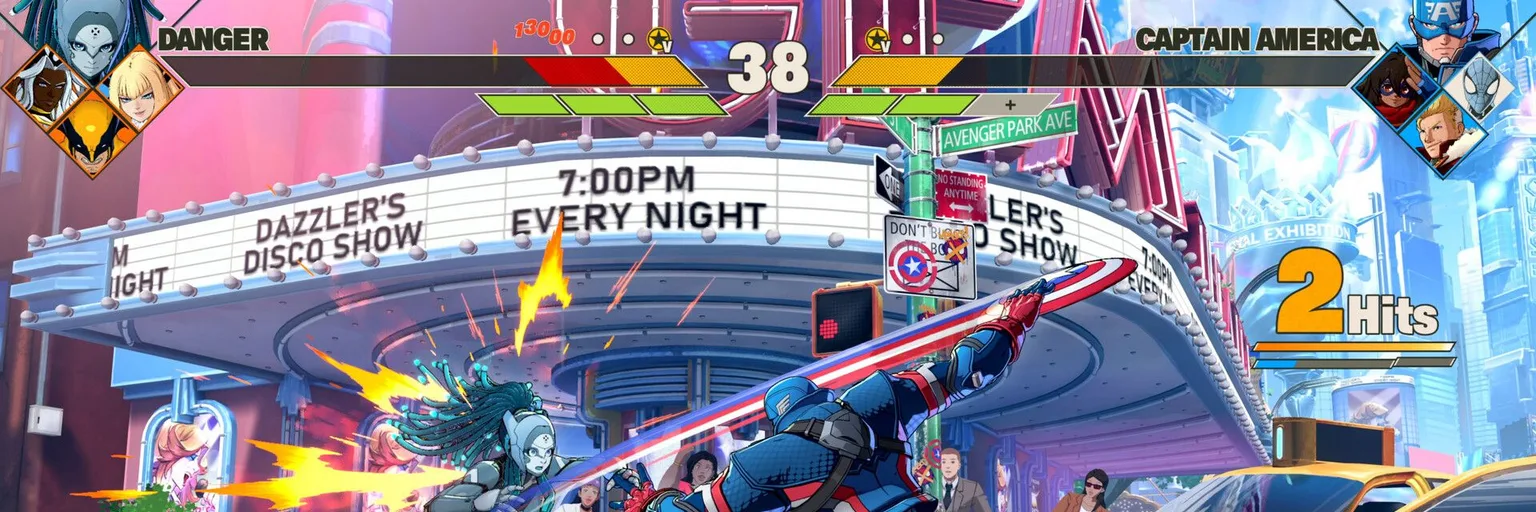
Marvel Tokon's DLC Gamble: Can New Characters Outrun a Rocky Launch?
The unveiling of Cyclops, Thor (Jane Foster), Venom, and Jubilee as Year 1 DLC for Marvel Tokon: Fighting Souls highlights a familiar monetization strategy, but a challenging PC launch complicates the value proposition for players.
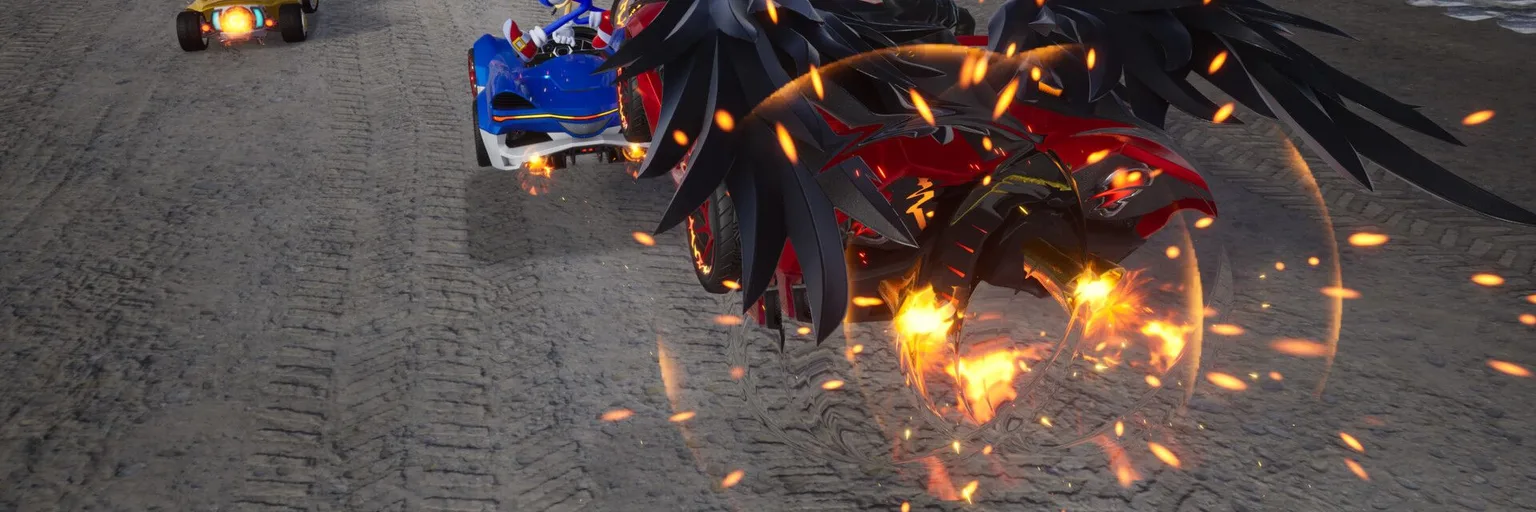
SEGA's CrossWorlds Gamble: Crossover Goldmine or Brand Overload?
SEGA's ambitious Year 2 roadmap for Sonic Racing: CrossWorlds, cramming Final Fantasy, Persona, and Godzilla into its kart racer, is a bold play for audience expansion that risks diluting its core identity.
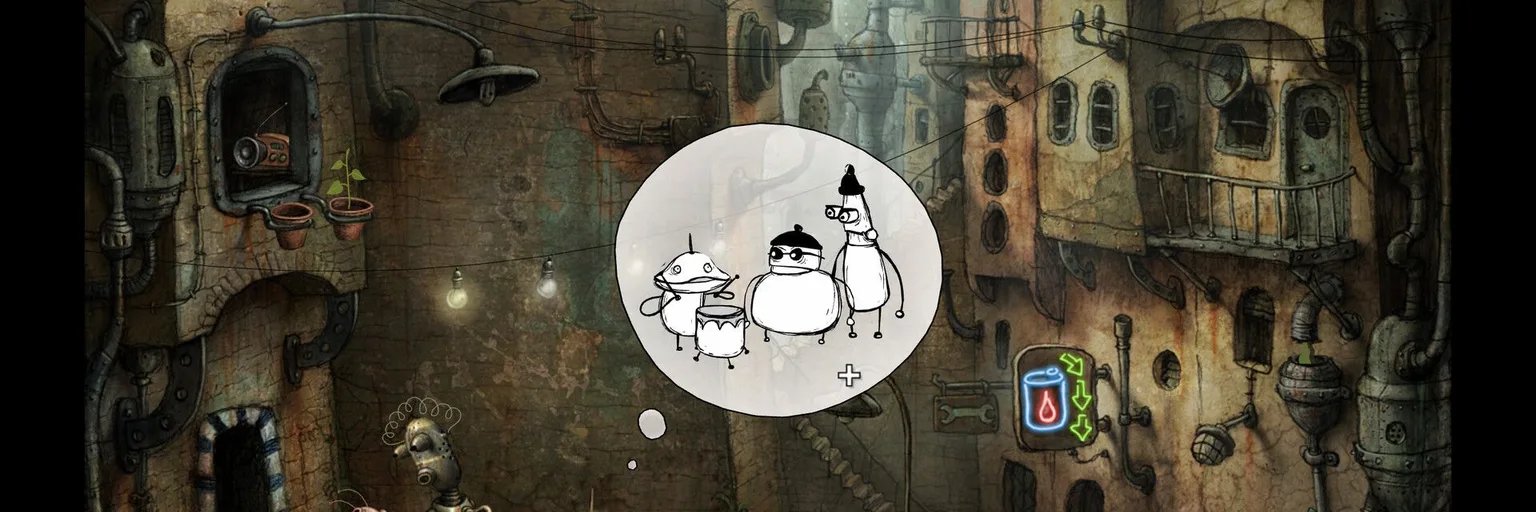
Machinarium 2: A Nostalgia Trip or a Genre Reimagining?
Amanita Design's announcement of Machinarium 2 after 17 years ignites a debate: will it truly innovate the point-and-click adventure genre, or is it a carefully crafted homage designed to evoke the cherished memories of its predecessor?
Naruto's New Era: The Grand Strategy Behind Project Rasengan's Global Push
The surprise announcement of a new Naruto anime series and the ambitious 'Project Rasengan' signal a carefully orchestrated, multi-year plan to re-establish the franchise's dominance across all media, with gaming poised to play a central role.