Monster Hunter Rise at 20 Million: Capcom's Enduring Blueprint for Success
Capcom's Monster Hunter Rise has defied expectations by surpassing 20 million units sold, showcasing a masterful approach to iterative design, strategic platform expansion, and sustained player engagement that offers crucial lessons for the industry.
AI-generated image
Can a long-running franchise truly evolve without alienating its dedicated fanbase, while simultaneously reaching new heights in sales? Capcom's recent announcement that Monster Hunter Rise has surpassed 20 million units sold worldwide as of October 6, 2026, suggests a resounding 'yes.' This milestone is not merely a sales figure; it is a powerful testament to a development and publishing strategy that other major players would do well to study, especially in an industry often chasing fleeting trends.
The game, which began its journey as a Nintendo Switch exclusive in 2021, has steadily expanded its reach, eventually landing on PC, PS4, PS5, Xbox Series, Xbox One, and Xbox PC. This multi-platform release strategy has clearly paid dividends, pushing Rise past its previous milestone of 19.3 million copies sold in June, and solidifying its place among the franchise's giants, even outpacing the sales growth of the newer Monster Hunter Wilds which launched in 2025 with 11 million sales. While Monster Hunter World still holds a lead at 22.4 million, Rise's continued momentum is undeniably impressive.
The Art of Iterative Evolution
Capcom's success with Monster Hunter Rise is a masterclass in iterative design—a delicate balance between innovation and tradition. The studio understands that a beloved franchise must grow, but not at the expense of its core identity. We see a similar philosophy at play in their Resident Evil universe, where executive producer Jun Takeuchi revealed a long-term strategy to eventually merge the remake series with the numbered installments' current timeline. This foresight, which began to be laid out during the development of Resident Evil 7, shows a company-wide commitment to weaving new narratives and mechanics into existing lore, ensuring a coherent and evolving experience rather than disjointed parallel paths. In the world of Monster Hunter, this translates into continually refining the hunting loop, introducing new traversal mechanics like the Wirebug, and crafting distinct environments while retaining the foundational challenge and camaraderie that define the series.
This approach stands in stark contrast to the struggles faced by other developers in maintaining player engagement. For instance, Riot Games recently discontinued support for its League of Legends fighting game, 2XKO, after its Chief Product Officer, Marc Merrill, noted that it would have needed 'hundreds of thousands, if not millions' of daily active users to justify its cost structure. When we consider that Street Fighter 6 peaked at roughly 72,000 players on Steam in 2026, Riot's targets for 2XKO appear almost insurmountable. Capcom, by contrast, has demonstrated that achieving significant sales milestones doesn't always require an unrealistic, aggressive live-service model focused solely on daily active users, but rather a deep understanding of what keeps players invested long-term in a robust, well-supported package.
Strategic Expansion and Community Nurturing
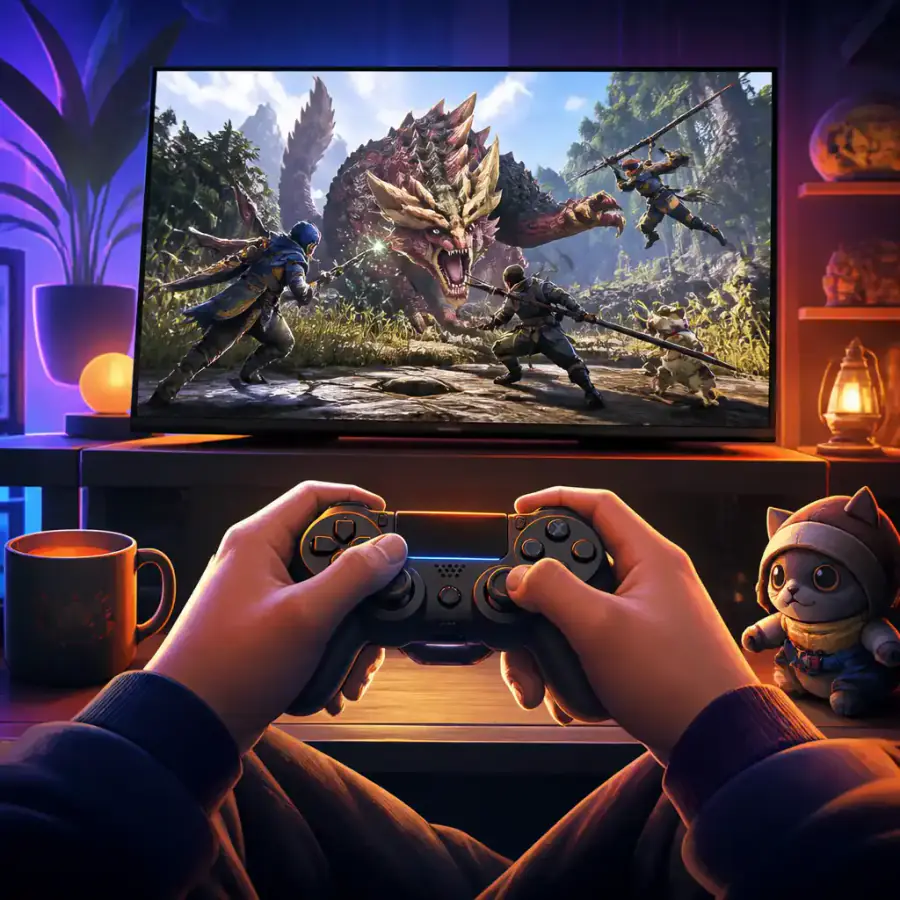
Another critical factor in Rise's prolonged success is its calculated expansion beyond its initial Nintendo Switch exclusivity. By bringing the game to a wider array of platforms, Capcom significantly broadened its potential audience, allowing more players to experience Kamura Village. This wasn't merely a series of ports; it was a deliberate strategy to ensure the game remained accessible and vibrant across the gaming ecosystem. This wide release strategy is key to how Monster Hunter Rise has continued its sales growth, jumping from 19.3 million units in June to over 20 million in October, demonstrating sustained interest across its diverse player base, as reported by RPG Site.
The consistent updates, while not detailed in our current data, are implied by the continuous growth. The Monster Hunter community is renowned for its dedication, and Capcom consistently provides reasons for hunters to return, whether through new monsters, events, or quality-of-life improvements. This fosters a sense of ongoing value, extending the game's lifespan far beyond a typical single-player experience. It's about building a relationship with players, making them feel like their investment of time and money is respected and reciprocated with continuous, quality content.
Lessons for the Broader Industry
What Monster Hunter Rise's success teaches us is that there isn't a single, monolithic path to longevity in the gaming industry. While live service models can be potent, as evidenced by some of the discussions around what constitutes a successful live service game, they must be built on a foundation of realistic expectations and a clear value proposition. Capcom demonstrates that a combination of thoughtful iteration, strategic platform deployment, and deep engagement with its community can propel a game to remarkable heights. They've avoided the trap of chasing ephemeral trends, instead focusing on what makes their franchises unique and continuously improving that core experience.
Ultimately, Monster Hunter Rise stands as a beacon for sustained success. It is a powerful reminder that understanding your audience, delivering consistent quality, and embracing a long-term vision for your intellectual property can yield extraordinary results, proving that some of the best blueprints for the future are found by building carefully on the foundations of the past.
No topics yet: start the first one.
More stories
Star Wars: Galactic Racer Sets a New Standard for Licensed Game Launches
Fuse Games' debut title, Star Wars: Galactic Racer, isn't just a thrilling Burnout-successor; its day-one multi-platform release maps a potent strategy for major IPs in the evolving games market.

Hollow Knight's Transmedia Potential: A Strategy Beyond the Screen
While film and TV adaptations dominate headlines, indie hits like Hollow Knight possess rich lore and massive success, making them prime candidates for diverse transmedia expansions that extend their universe.
Warhammer Survivors: The Crossover No One Saw Coming
The imminent launch of Warhammer Survivors, merging the grimdark Warhammer universe with the addictive Vampire Survivors formula, is a surprisingly brilliant move to expand both IPs.
The Witcher 3 Remastered: A Masterclass in Post-Launch Revitalization
CD Projekt Red's free Remastered update for The Witcher 3, bringing significant enhancements, has reignited player engagement and sales, setting a new standard for preserving and enhancing gaming classics.