Street Fighter Films: Why Cinema Keeps Fumbling the Fatality
The latest *Street Fighter* movie highlights Hollywood's ongoing struggle to translate interactive fighting games into compelling passive cinema, often prioritizing fan service over narrative depth.
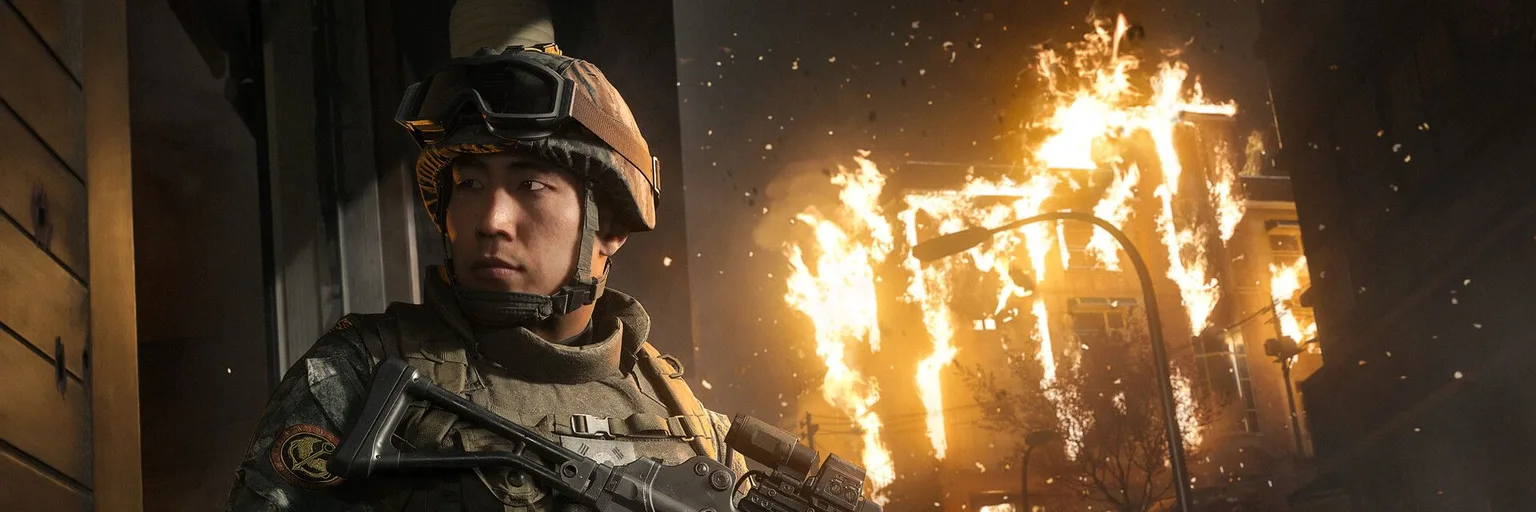
Photo: CAPCOM Co., Ltd. / Steam (uso editorial)
Another Street Fighter movie has landed, and the critical reception, as reported by outlets like 20 Minutes, suggests the saga continues to struggle where it matters most [10]. We've seen this play out before, begging the fundamental question: why do some video game properties, especially those as iconic and action-oriented as Street Fighter, seem inherently resistant to the big screen, consistently losing what makes them beloved in the translation?
The latest Street Fighter adaptation has been met with a largely lukewarm, if not outright negative, response from critics. While the fan-centric Popcorn meter on Rotten Tomatoes shows a respectable 82%, the film itself only registered 45% Rotten, a significant disparity that tells its own story [17]. Critics have described it as "brash, abrasive cinema" [16], a film that "pummels you with fan service and (Too Few) New Moves" [13], and one suffering from "too many easter eggs, not enough story, the fights are underwhelming and blender cut editing all over the place" [14]. Some even called it "cinematically bankrupt" [15]. This renewed debate over the quality of video game films, especially for a franchise built on pure fighting action, warrants a deeper look into the challenges of adaptation.
The Fundamental Mismatch: Interactive vs. Passive Storytelling
One of the primary challenges in adapting video games to other media is the transition from an interactive to a passive form of entertainment [8]. Video games, by their very nature, offer players agency, allowing them to influence the narrative, explore worlds at their own pace, and form unique connections with characters. Replicating this level of engagement in a film or TV show, where viewers have no control over the outcome, requires creative storytelling techniques and a deep understanding of what makes the original game resonate with its audience [8].
For fighting games like Street Fighter, the core experience is the direct, player-controlled combat. Translating this into a linear narrative often means sacrificing the dynamic, moment-to-moment decision-making that defines the game. This can lead to a plot that feels rushed or, conversely, stretched thin to fill a two-hour runtime, leaving writers to either add to the story or change it significantly [6]. This is particularly challenging for games with extensive lore or those that can span "100+ hours of total playtime," as is often the case with Japanese role-playing games [2]. The Street Fighter franchise, while not an RPG, boasts a large roster of characters, each with their own rivalries and backstories, making it difficult to give them all meaningful arcs within a single film without the interactive element.
The Audience Divide: Fans vs. Mainstream Appeal
Another significant factor is the audience. When adapting a video game, creators face a dilemma: strictly adhere to the source material to please a developed fan base, or make changes to appeal to a wider, mainstream audience [6]. This can lead to films that are either too niche for general viewers or alienating for long-time fans who feel the adaptation strays too far from the original's spirit. The new Street Fighter film, for instance, has been criticized for having "too many easter eggs" for regular audiences, alongside a lack of compelling story [14]. This suggests an attempt to cater to fans that might have inadvertently hampered its broader appeal.
Nostalgia also plays a complex role. Video game adaptations battle with whether to satisfy people's nostalgia or create something new [6]. While nostalgia can be an advantage, as seen with A Minecraft Movie which leaned heavily on fan affection and Easter eggs, that game's open-ended nature allowed creators significant plot freedom, reducing criticism over accuracy [6]. Street Fighter, with its established characters and rivalries, offers less narrative flexibility, making the balance between reverence and innovation much harder to strike.
More Than Just Fights: The Need for Character and Story
Many past video game adaptations have struggled due to "poor dialog, unlikable characters, boring plots" [3], or a lack of thought put into "the storyline and character arc development" [7]. For Street Fighter, while the spectacle of combat is paramount, a film cannot solely rely on it. As one critic noted for the new film, a "scénario mollasson fait que le temps est long entre les combats" (a soft screenplay makes the time between fights long) [10].
Successful adaptations often stem from a collaborative approach, involving the game's original creators, and focus on "character development and storytelling over attempting to replicate gameplay mechanics or action sequences" [8]. By delving into motivations, relationships, and character growth, adaptations can offer a complementary perspective that appeals to both hardcore fans and newcomers [8]. While the Street Fighter films aim to showcase the iconic battles, they often overlook the necessity of a strong narrative framework to make those battles meaningful in a passive viewing experience. Without a compelling reason to care about the fighters and their struggles, the spectacle quickly wanes.
Video game adaptations have evolved, with projects like Netflix's Castlevania expanding narratives and resonating with audiences [8]. These successes demonstrate that faithful yet creatively expansive storytelling is possible. For Street Fighter to truly succeed on the big screen, future adaptations must move beyond simply staging recognizable fights and fan service. They need to weave a compelling cinematic narrative with well-developed characters that justifies its existence as a film, rather than just a highlight reel of a game. Until then, the cinematic fatality count for this beloved franchise seems destined to rise.
No topics yet: start the first one.
More stories
Boruto: Two Blue Vortex's bold reinvention could be its greatest strength
The latest installment in the Boruto saga has taken daring narrative steps, including a massive time skip and a reality-bending twist, positioning it as a fresh start for the franchise and a potential revitalization.
Steam Achievements: Why Valve's Overhaul is a Game-Changer
Valve's new Achievement Sets, now in beta, finally decouple DLC from 100% game completion, addressing a long-standing frustration for players and setting a higher bar for platform engagement.
Gaming's New Frontier: IKEA x Xbox YXSTABY Redefines Home Play
The YXSTABY collection by IKEA and Xbox isn't just furniture; it's a strategic move to blend gaming seamlessly into modern home aesthetics, challenging outdated 'gamer cave' notions.
Modern Warfare 4 GPU: Smart Collaboration or Costly Gimmick?
The launch of a Modern Warfare 4-themed GeForce RTX 5080 GPU blurs the lines between game marketing and tech product integration, signaling a growing trend of direct hardware collaborations for major game releases.