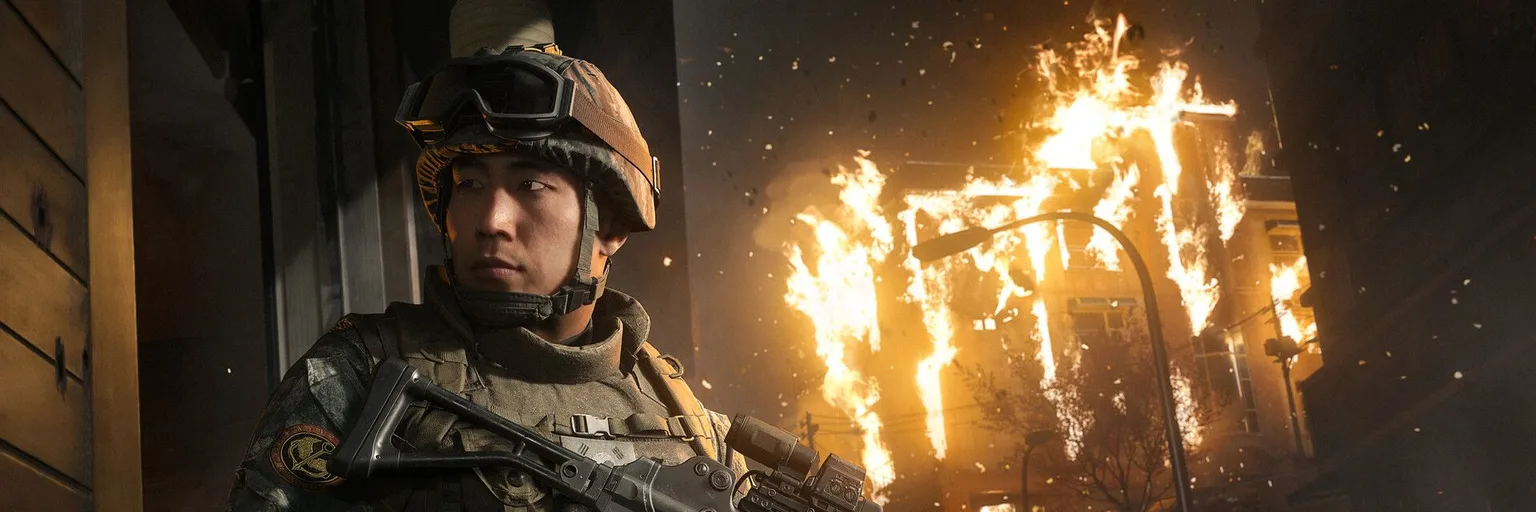
GameStop's boss wants discs back, and he has a point nobody else will make
Ryan Cohen's plea for physical games sounds like a retailer talking his book, but the ownership problem he describes is real, and no platform holder has a reason to fix it.
Photo: Chris Williams / Wikimedia Commons (CC0)
Is it a little rich for the man who runs a chain of stores to ask for discs back? Of course it is. But before we roll our eyes, look at what Ryan Cohen has actually said, because it doesn't line up with the cynical reading.
The facts first, briefly. The GameStop CEO told Bloomberg he wants physical game discs to return, and, as PC Gamer reports, he lamented how little control players have over what they buy digitally. The timing is awkward: GTA 6 has just launched and, going by Everyeye, UK physical sales jumped even though the box has no disc in it. Sony's stance on discs is the backdrop for the whole debate.
The "he's selling resale" argument is too easy
Our starting thesis was simple: GameStop built its business on used discs, so of course Cohen wants discs. It's a tidy argument, and the reporting doesn't quite support it.
Cohen has also dismissed Sony's planned 2028 exit from PlayStation disc production as irrelevant. Notebookcheck notes that software now accounts for less than 12% of the retailer's business. Other outlets quote him calling physical game sales "totally irrelevant" to his business, and Polygon says he isn't bothered by GTA 6 skipping a physical release.
So which is it? In our view, both statements can be true, and that's what makes this interesting. A man who says discs don't matter to his balance sheet is not defending his revenue line. He may be defending something else: the store as a place that sells things, and his credibility as the one retail voice that isn't asking platforms for permission. That's still self-interest, but a different kind. We'd call it positioning, not nostalgia and not survival.
The ownership problem is real, and nobody inside the platforms wants it solved
Strip away who is talking and the claim stands up. When you buy a disc, you hold something you can lend, sell, trade or shelve for ten years. When you buy a license, you hold a revocable right on someone else's server, under someone else's terms. Those are very different products sold at the same price.
Platform holders have no incentive to blur that line in your favor. Digital sales cut out the retailer, kill the used market and keep every sale inside a store the platform controls. A secondhand disc earns the publisher and the console maker nothing. We think every rational actor on the manufacturing side prefers the license. That's why the reform probably won't come from them, and why it takes an awkward messenger like a retailer to say it out loud.
The fact that a messenger is conflicted doesn't make the message wrong. We'd say the opposite: the people with a commercial stake in physical media are among the few with a reason to complain about the digital-only shift, so they're the ones who will.
What the GTA 6 paradox tells us
The UK story is a small gem. The biggest game of the generation reportedly lifted physical sales even without a disc in the box. Read that carefully and it suggests that buyers still want the shelf, the box and the retail moment, even when the box no longer holds the disc. That's an interpretation, not a proven finding, since we only have a headline and a teaser for the data.
But it points to something Cohen's critics tend to skip. Demand for the feeling of owning isn't dead. What's dying is the supply of the real thing. A box without a disc looks to us like the industry's compromise: it keeps the ritual and removes the substance.
Our verdict
Don't treat Cohen as a prophet, and don't dismiss him as a salesman. His own numbers undercut the idea that discs are what keeps GameStop alive, so the "he's just selling resale" take is lazy. His underlying point, though, is the one consumers should care about: if physical media goes away, ownership goes with it, and the companies making that decision profit from the change.
Our recommendation is practical. If a game you love gets a physical edition with the full game on the disc, buy it, especially for titles you expect to want in ten years. And don't wait for a platform holder to protect your right to resell. That protection, if it arrives, will have to come from pressure, regulation or the market, not from goodwill.
No topics yet: start the first one.
More stories
Rockstar's 75% no vote doesn't settle the union question
A 75% rejection with 93.2% turnout looks like a verdict on organizing. We think it says more about timing, trust and a firing dispute still awaiting judgment.

GitHub's PS5 emulator post wasn't a gaffe: it was Microsoft's double standard
GitHub cheered an emulator's GTA 6 boost, then deleted the post while Take-Two chased PC ports off the platform, and we think that says a lot about Microsoft's selective stance.
New tariffs, same old pattern: console buyers keep paying the bill
Washington's new tariff proposal revives the question of console prices. The facts so far point to a messier story than "buy now," and players should read it carefully.
GTA 6 didn't just launch: it drained Call of Duty's tank
A 42% drop in Call of Duty's daily players shows that one mega-launch can pull attention from the whole market. Scheduling around it was always a fantasy.