Blumhouse's Bet on 'Amanda the Adventurer' Redefines Viral Game Adaptations
Blumhouse's multi-project deal with MatPat to bring viral indie horror games like 'Amanda the Adventurer' to the big screen marks a calculated, yet creatively risky, new era for video game cinema.
Photo: DreadXP / Steam (uso editorial)
When a film studio announces a project with the tagline "Dora the Explorer meets The Ring," it's designed to grab attention. But when that project is an adaptation of an indie horror game that rose to viral fame on the internet, it signals something more: a calculated maneuver by Hollywood to tap into the raw, fervent energy of online fandoms. Blumhouse's recent announcement of a live-action Amanda the Adventurer film, spearheaded by YouTube personality Matthew 'MatPat' Patrick, is not merely another video game movie; it is a declaration of a new strategic direction in the ever-evolving landscape of transmedia adaptations.
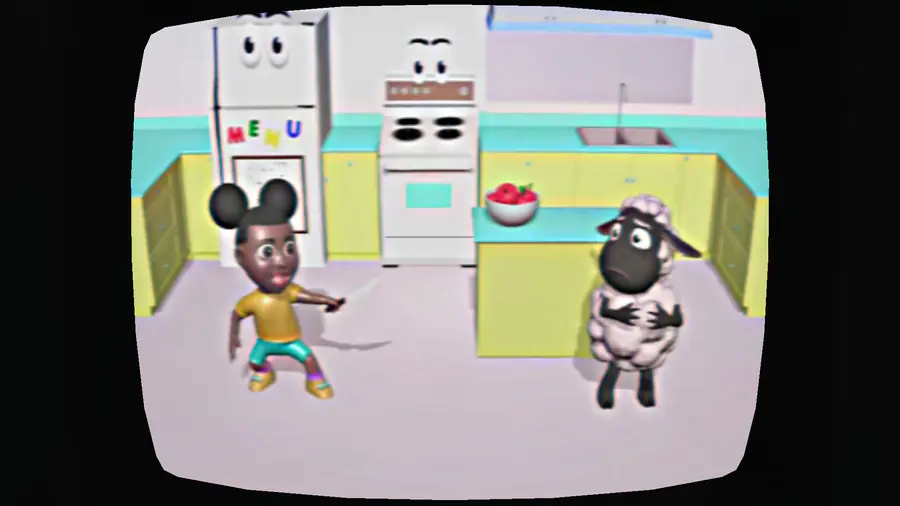
Revealed at New York Comic Con 2026, Blumhouse Productions confirmed a multi-project deal with MatPat, with Amanda the Adventurer taking the lead. The game, developed by MANGLEDmaw Games and published by DreadXP, immerses players as Riley Park, who uncovers unsettling VHS tapes featuring a seemingly innocuous children's show. What begins as a charming, low-budget program starring Amanda and her shy companion, Wooly the Sheep, quickly spirals into a sinister mystery where the characters appear to communicate directly with the viewer, compelling Riley to keep watching. This adaptation marks the beginning of what MatPat described as bringing "some of my all-time favorite indie games and horror channels from the interwebs" to the big screen, with the team already "moving fast" in talks with writers and directors.
The MatPat Factor: A New Kind of IP Gatekeeper
The partnership with MatPat is arguably the most intriguing aspect of this announcement. For over 15 years, Matthew Patrick, widely known as the former host of YouTube's 'Game Theory' series, was instrumental in dissecting and amplifying the lore of various games, most notably elevating Five Nights at Freddy's into a global phenomenon. His videos weren't just analyses; they shaped and influenced fan perceptions, creating a robust, engaged community around the very types of "mascot menaces" that Blumhouse is now pursuing. With MatPat having made cameos in both the 2023 Five Nights at Freddy's film and its 2025 sequel, his transition into a producing role feels like a natural, if not inevitable, progression.
In our view, Blumhouse isn't just acquiring IP; they're acquiring a direct conduit to the culture and community that made these games popular in the first place. MatPat's involvement lends a critical layer of authenticity that many traditional studio adaptations often lack. He understands the "horror with heart" that defines Amanda the Adventurer, articulating it as a story that "asks the question, ‘Can you trust the media being put in front of your kids?’" This strategic alliance effectively streamlines the typically cumbersome process of translating niche online phenomena into mainstream entertainment, leveraging an existing influencer's expertise and built-in audience to mitigate risk.
Beyond Five Nights at Freddy's: The Viral Gold Rush
The undeniable success of the Five Nights at Freddy's film, which opened to a record $78 million in the United States in 2023 and surpassed $200 million worldwide, has clearly set a precedent for Blumhouse and indeed, the wider film industry. This financial triumph, driven by a deeply embedded online fandom, has demonstrated the immense box office potential of adapting viral indie horror. Beyond FNAF, we've already seen other YouTube personalities venture into film adaptations, such as Markiplier's self-funded Iron Lung movie and Sean 'Jacksepticeye' McLoughlin's involvement in an animated Bloodborne film, showcasing the growing influence of digital creators in the cinematic space. The success of Kane Parson's Backrooms film earlier this year, spurring a wave of creepypasta adaptations like The Mandela Catalogue and Siren Head, further illustrates this trend.
What this indicates is a burgeoning "viral gold rush" where studios are less concerned with critical acclaim and more with harnessing established online communities and pre-existing hype. The games being adapted are often short, narrative-driven experiences that gain traction through content creators and fan theories. While financially astute, this strategy raises questions about the long-term creative health of these adaptations. Will the focus on virality lead to a proliferation of films that prioritize superficial scares and fan service over nuanced storytelling and genuine cinematic merit? We believe the industry is walking a fine line between capitalizing on trends and fostering genuinely compelling horror cinema.
The Challenge of Adaptation: From Short Form to Feature Length
The core conceit of Amanda the Adventurer lies in its interactive found-footage puzzle format. The game's power comes from the player's agency – or lack thereof – as they are compelled to continue watching the tapes, unraveling a mystery where the characters seem to communicate directly. As iHorror notes, the game's "whole trick is that the tape keeps playing after you want it to stop." This immersive, unsettling experience, which relies on the viewer's active participation and growing dread, is notoriously difficult to translate into a passive, linear film narrative. How does a live-action adaptation capture the direct interaction, the feeling of being personally addressed and ensnared by the animated characters, without losing the essence of what made the game terrifying?
This conversion presents a significant creative challenge. While the pitch of Dora the Explorer meets The Ring offers a clear thematic direction, the structural integrity of the horror will depend on how cleverly Blumhouse and MatPat can externalize the internal, player-driven horror of the game. If it fails to replicate that unique interactive tension, it risks becoming just another horror movie that borrows a recognizable aesthetic without understanding its deeper appeal. It will be a true test of the adaptation's ability to innovate beyond a simple re-telling of the game's plot.
Blumhouse's multi-project deal with MatPat, kicking off with Amanda the Adventurer, is a clear sign that the film industry is deeply invested in leveraging the power of viral online gaming phenomena. This strategy is undeniably shrewd from a business perspective, tapping into massive, pre-engaged audiences and the insights of creators who understand their appeal. Yet, the creative hurdles remain substantial. The success of Amanda the Adventurer on the big screen will not only dictate the future of this particular franchise but will also serve as a crucial barometer for how effectively Hollywood can convert fleeting online virality into lasting cinematic impact.
No topics yet: start the first one.
More stories
Konami's Multi-Wave Silent Hill Plan: Genius or Overkill?
Konami's ambitious strategy to flood the market with new Silent Hill games in successive waves might finally restore trust, but it risks diluting the very essence that makes the horror franchise so iconic.
Arjun's Bold Entry: Can "Bare-knuckle Yoga" Redefine Street Fighter 6's Meta?
Capcom's latest Street Fighter 6 DLC fighter, Arjun, arrives with a unique 'Stegoro Yoga' combat style focused on grey life damage, a strategic move to diversify the roster that could profoundly reshape competitive play.

He-Man's Dragon Pearl: Can Nostalgia Carry a Modern Brawler?
The upcoming He-Man and the Masters of the Universe: Dragon Pearl of Destruction faces the challenge of engaging new audiences while honoring its 80s cartoon legacy.

Hogwarts Legacy 2: The Perilous Path to Avoiding the Sophomore Slump
Warner Bros. has high financial expectations for 'Hogwarts Legacy 2', but without concrete gameplay details or a release date, the sequel faces immense pressure to innovate and exceed its predecessor's magic while navigating potential pitfalls.