Bad Bunny in GTA 6: Rockstar's Bold Move to Reshape Gaming's Cultural Footprint
Rockstar Games' decision to feature global music icons like Bad Bunny and Lana Del Rey as radio hosts in Grand Theft Auto VI is a calculated gamble, signalling a strategic shift to fuse virtual worlds with mainstream pop culture and expand its appeal.
Photo: Rockstar Games / sala de prensa (uso editorial)
Are video games still content to exist in their own cultural bubble, or have they finally become an unstoppable force in mainstream entertainment? The recent revelations about Grand Theft Auto VI's radio stations suggest the latter, with Rockstar Games making an audacious play to integrate global pop culture icons directly into the fabric of its highly anticipated open-world epic. The confirmation that Bad Bunny will host a dedicated radio station isn't just a celebrity cameo; it's a profound statement about the evolving identity of the Grand Theft Auto franchise and its ambition to transcend traditional gaming audiences.
Rockstar Games announced on October 8 that global music sensation Bad Bunny, known in-game as 'El Martillo,' will co-host 'Cocoteo FM' alongside fellow Puerto Rican artist RaiNao, who plays 'La Gata' bluradio.com. This station will immerse players in contemporary Latin music, spanning genres like reggaeton, bachata, merengue, and dembow, with Bad Bunny's own track 'EoO' confirmed for the playlist. But the celebrity roster doesn't stop there: Lana Del Rey and Morgan Wallen are set for 'Back Country Radio,' while Burna Boy will headline 'AfroBank FM,' and Robyn is confirmed for 'Flash FM.' Even metal legends Kerry King and Tom Araya of Slayer will bring their grit to 'Chamber 106.6.' The game, set to launch on November 19, 2026, for PlayStation 5 and Xbox Series X|S, promises new ways to engage with its musical landscape, including listening via in-game headphones outside vehicles and fictional podcasts.
More Than a Soundtrack: A Cultural Statement
For decades, Grand Theft Auto's radio stations have been integral to its identity, crafting a satirical yet vibrant soundscape that reflects the game's world. However, licensing popular music is one thing; directly embedding an artist of Bad Bunny's stature as a character is an entirely different proposition. Bad Bunny is not merely lending his songs; he is lending his voice, his persona, and his immense cultural cachet. This move elevates the game's immersion, transforming the radio hosts from disembodied voices into active participants in the game's narrative and world-building. It signals that GTA VI isn't just a game that features culture; it is culture, actively shaping and responding to global trends.
Reaching Beyond the Core Gaming Audience
Bad Bunny's global appeal is undeniable, particularly among Latinx audiences who might not typically identify as
No topics yet: start the first one.
More stories
Anime's Stage Invasion: Why Live 'Attack on Titan' is More Than a Gimmick
The expansion of beloved anime like Attack on Titan into live musicals and symphonic concerts signifies a strategic transmedia evolution, cementing anime's global cultural dominance and adaptability.
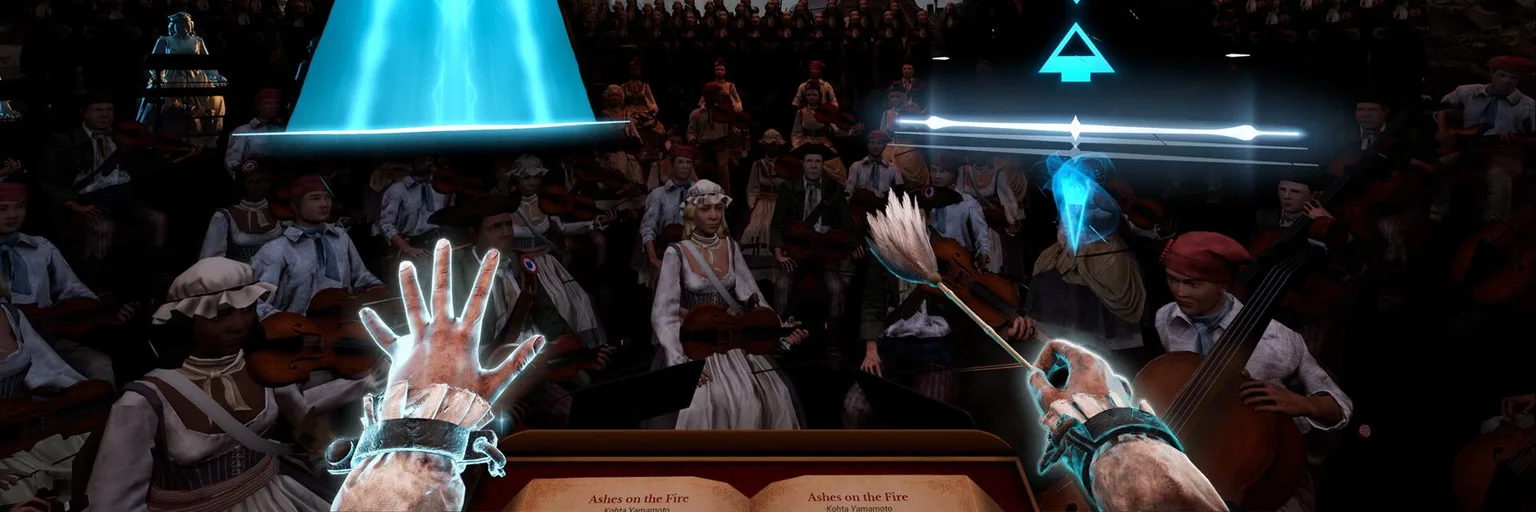
Hasselblad's Doom: A Gimmick, Not a Gaming Revolution
The spectacle of Doom running on a high-end Hasselblad X2D 100C camera showcases the game's indelible cultural footprint and the ingenuity of hardware hackers, proving it's more about the 'can it run Doom?' meme than meaningful play.
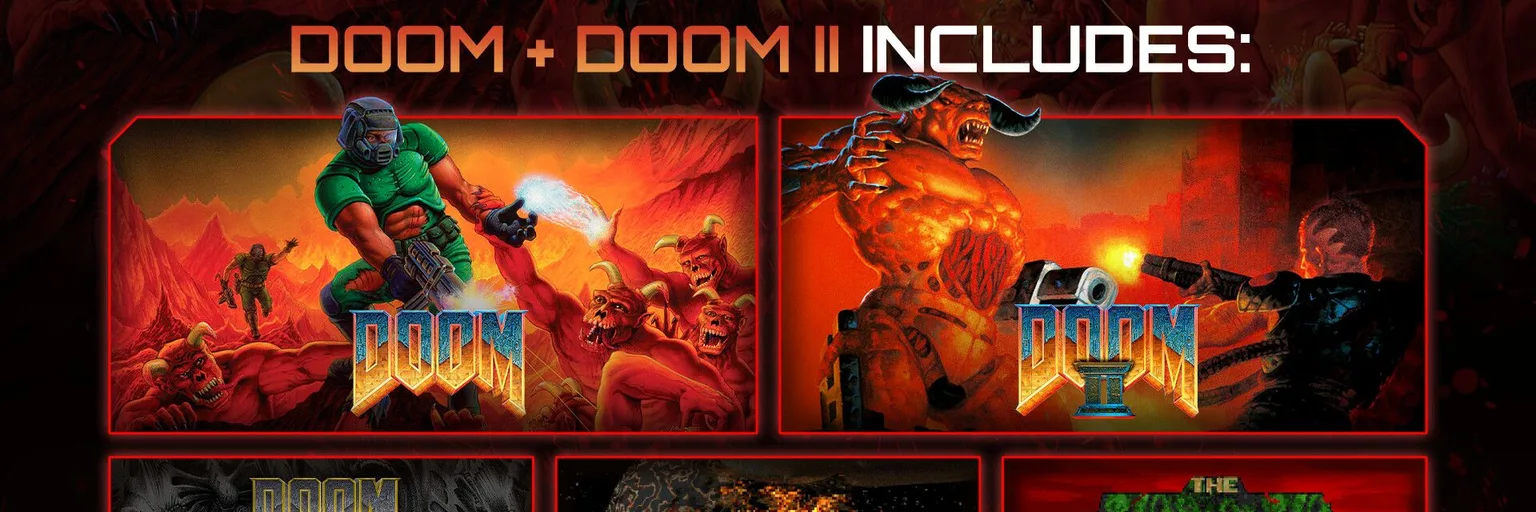
Valor Mortis: A First-Person Soulslike That Soars and Stumbles
One More Level's Valor Mortis defies expectations by making first-person combat shine in a Soulslike, yet uneven pacing and design choices risk player fatigue despite its bold premise.
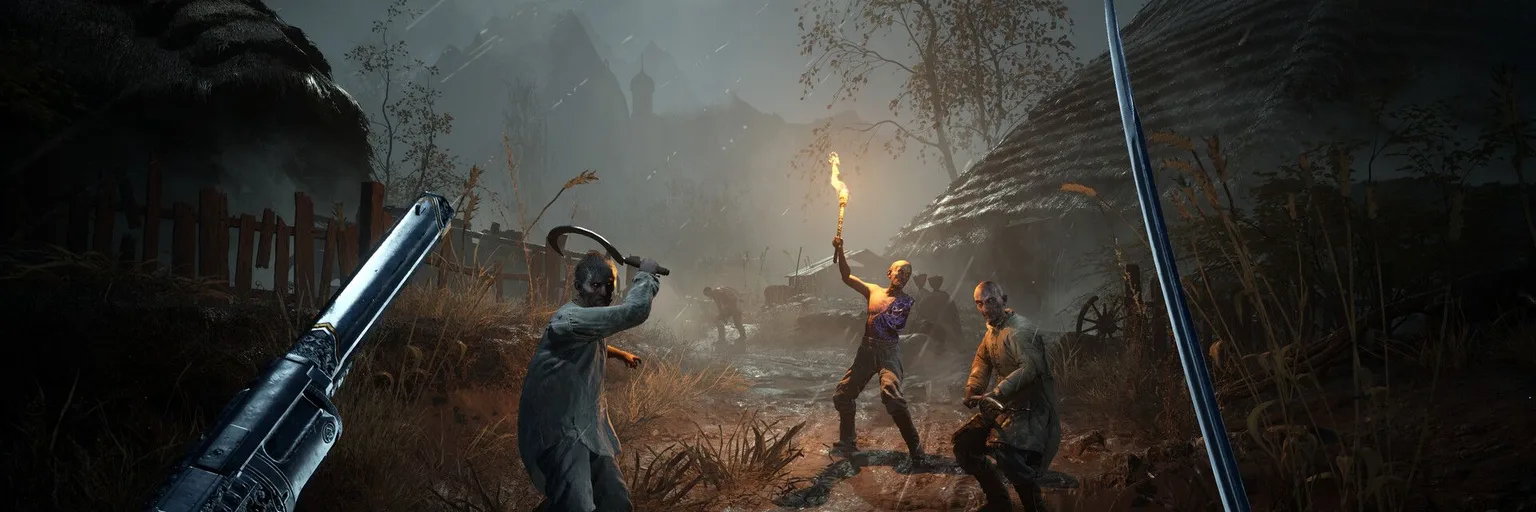
Atlus's 'Metaphor' trailers risk over-exposure despite acclaim
While Atlus's ongoing character trailers for 'Metaphor: ReFantazio', like the recent Gallica spotlight, undeniably build anticipation, they walk a fine line between igniting interest and revealing too much of the RPG's unique depth before its wider launch.