Owning your games means more than a promise: what Washington's bills need
Two US lawmakers want purchased games to stay yours after servers go dark. We back the idea, but it only matters if it beats the license fine print.
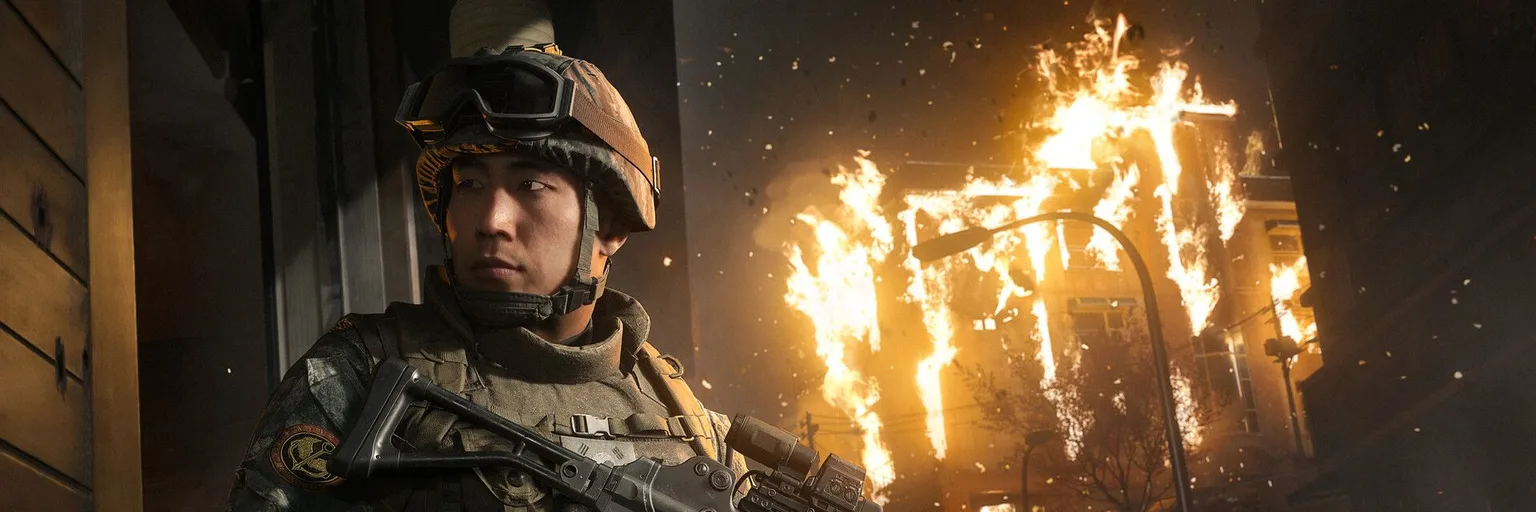
Photo: peakfocus.agency / Wikimedia Commons (CC BY 4.0)
When you click "buy" on a game, what did you actually pay for? For years the honest answer has been "a revocable permission." A US politician now says that should change, and we think he's right. The real question is whether the law will have teeth.
According to 3DJuegos, Florida Democrat Rep. Alejandro Frost announced the Protect Our Games Act on November 18 at a virtual event on game ownership. His line: when someone tells you you're buying something, you're buying it, and you should keep it whether or not the servers stay on. One idea on the table is letting players run and manage their own servers once the official ones close. The bill is expected to reach Congress in January 2027. As Notebookcheck notes, its text and number haven't been published yet.
A promise without a text is still just a slogan
We should be careful here. We don't yet know how these ideas become concrete obligations. 3DJuegos also says it's unclear whether the law would cover games already on sale. That detail decides everything. If protection only applies to future releases, the libraries people have already paid for stay exposed.
There's also precedent, and it isn't encouraging. A California bill with the same name would have required companies to give players at least 60 days' notice before shutting a game down and to offer alternatives. It didn't get through the state Senate. Notice periods are a start, but a notice only tells you the funeral date. It doesn't keep the game alive.
The server-handover idea is the smart part
The most interesting proposal is the one that shifts the burden. Instead of forcing a publisher to keep paying for servers indefinitely, players would be allowed to host their own and run private matches. In our view that's a pragmatic compromise. Publishers can't fairly claim an eternal operating cost, and players don't lose what they bought.
It also speaks to the case that sparked Stop Killing Games. Ubisoft's shutdown of The Crew drew protests from tens of thousands of players, and 3DJuegos says Ubisoft could have avoided the controversy with an offline mode. Stop Killing Games, a European proposal, pushes for laws that force companies to leave games in a playable state once support ends. Frost's idea is a close cousin.
What the bill must include to matter
We'd say three things separate a real law from a press release:
- It must override license language. If an end-user agreement can still say "you own nothing," ownership is decorative. The law has to make that clause unenforceable for games sold as purchases.
- It must require the tools, not just permit the outcome. Letting players host servers means little if the server software never ships. Publishers should have to release server files or an offline mode before they close a game.
- It must reach existing libraries. Otherwise it protects tomorrow's buyers and abandons today's.
There is a second, competing track. Several outlets report that Rep. Ritchie Torres announced a separate Power To The Players Act. Per Gamersrd, it would direct the FTC to stop publishers from removing access to purchased games. It would also require an offline mode before servers close and protect resale of digital copies. We can't verify details beyond those summaries. Still, if the two efforts merge, resale rights and FTC enforcement would give Frost's server-handover idea the muscle it needs.
Our verdict
We back this, with a caveat: don't celebrate until the text exists. Announcements are cheap, and a bill that dies like California's does nothing for anyone's library. If you care, watch what Congress does in January 2027 and read the actual language. Check three things: does it cover existing games, does it beat license terms, and does it force publishers to hand over the means to keep playing? If the answer is yes to all three, "buy" finally means buy.
No topics yet: start the first one.
More stories
Rockstar's 75% no vote doesn't settle the union question
A 75% rejection with 93.2% turnout looks like a verdict on organizing. We think it says more about timing, trust and a firing dispute still awaiting judgment.

GitHub's PS5 emulator post wasn't a gaffe: it was Microsoft's double standard
GitHub cheered an emulator's GTA 6 boost, then deleted the post while Take-Two chased PC ports off the platform, and we think that says a lot about Microsoft's selective stance.
New tariffs, same old pattern: console buyers keep paying the bill
Washington's new tariff proposal revives the question of console prices. The facts so far point to a messier story than "buy now," and players should read it carefully.
GTA 6 didn't just launch: it drained Call of Duty's tank
A 42% drop in Call of Duty's daily players shows that one mega-launch can pull attention from the whole market. Scheduling around it was always a fantasy.