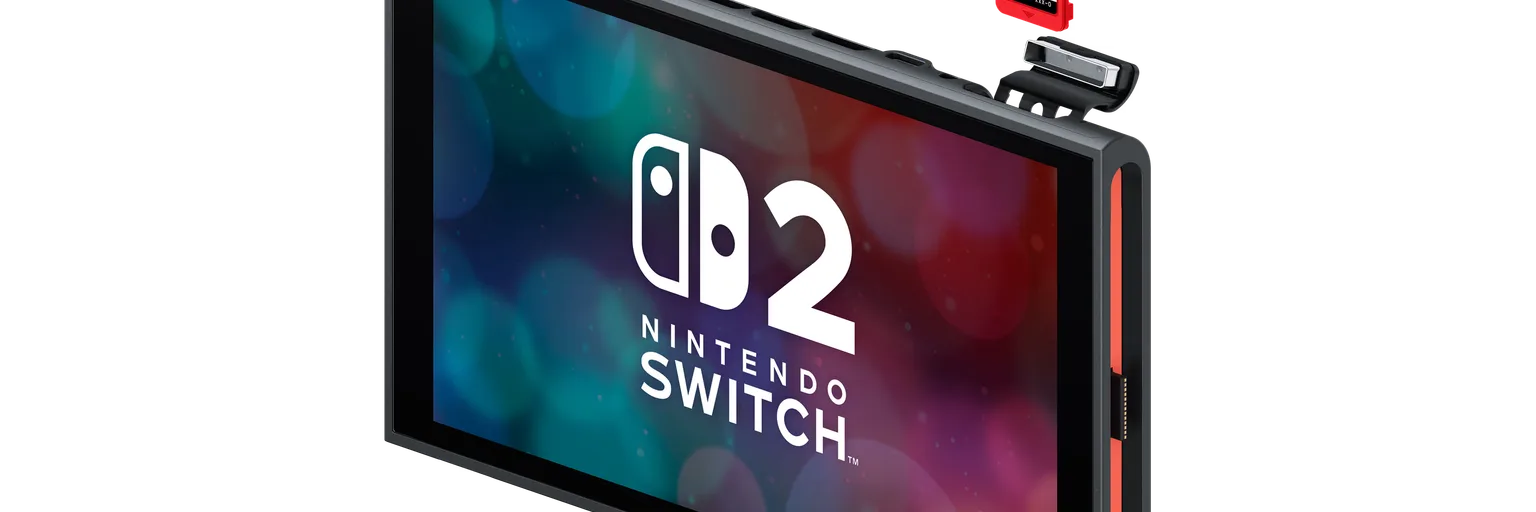
Nintendo's Zelda 40th Switch 2: Premium Nostalgia, Risky Scarcity
The 'The Legend of Zelda: 40th Anniversary Edition' Switch 2 is a masterclass in leveraging nostalgia for profit, but its limited availability strains fan loyalty.
Photo: Nintendo / sala de prensa (uso editorial)
Is Nintendo becoming too comfortable weaponizing scarcity to drive demand and premium sales? The announcement of the limited "The Legend of Zelda: 40th Anniversary Edition" Nintendo Switch 2 console and Pro Controller suggests a resounding yes. This strategy, unveiled to commemorate four decades of Hyrule heroics, is a calculated maneuver designed to capitalize on deep-seated nostalgia and inject an immediate sales boost into the new console's ecosystem, yet it walks a fine line, risking the alienation of its most devoted fans.
Set to launch on October 29, 2026, the special edition console emerged from a "Legend of Zelda 40th Anniversary" Direct presentation on September 8, 2026. Priced at $519.99 in the US and €519.99 in Germany, it carries a $20/€20 premium over the standard Switch 2's $499.99/€499.99 price tag. Alongside the console, fans can also acquire a matching Pro Controller and carrying case, all adorned with the iconic Triforce design. Curiously, this premium package does not include a game, meaning the price covers design alone, just one week before the highly anticipated remake of The Legend of Zelda: Ocarina of Time arrives on November 5, 2026.
The Irresistible Lure of Premium Nostalgia
Nintendo understands the profound emotional connection players have with The Legend of Zelda franchise. The 40th anniversary is not merely a milestone; it's a powerful marketing opportunity. By imbuing the new Switch 2 with a distinctive, themed aesthetic—black casing with golden Triforce patterns and matching Joy-Con 2 controllers and dock—Nintendo taps directly into the sentimentality of its fanbase. This isn't just a console; it's a collector's item, a tangible piece of gaming history that evokes decades of adventure and wonder. The decision to release this special edition about a year after the Switch 2's June 2025 launch further underscores how crucial The Legend of Zelda is to the platform's ongoing appeal and marketing, demonstrating Nintendo's confidence in the franchise's ability to move hardware.
This strategy is particularly clever as it targets two distinct buyer groups simultaneously. There are the die-hard Zelda enthusiasts who have been anticipating a special edition since the Switch 2's inception, eager to pay a premium for a console that celebrates their beloved series. Then, there are those considering a second Switch 2 for their household or simply looking to upgrade, who might now opt for the visually striking anniversary edition over a standard model. Both groups contribute to the same outcome: an elevated average selling price for the console, achieved without Nintendo needing to increase the cost of its base hardware. The dedicated Pro Controller, priced at $99.99 compared to the regular model's $89.99, follows the same logic, further bolstering premium sales for accessories.
The Double-Edged Sword of Limited Availability
However, Nintendo's embrace of exclusivity comes with a significant caveat. The "limited edition" nature of these products, while designed to create urgency and demand, has led to rapid sell-outs and frustrating experiences for many would-be buyers. In the US, major retailers like Best Buy, Amazon, and Target reported complete sell-outs of pre-orders by October 17, 2026, a mere 10 days before launch. Similarly, in Germany, retailers like Müller saw their contingents disappear by mid-September. This scarcity quickly fuels the secondary market, with scalpers demanding exorbitant prices—reports indicated offers up to $1,700 in the US and €659.99 from third-party sellers in Germany, far exceeding the official MSRP of $519.99/€519.99. These inflated prices, combined with inconsistent restocks, force loyal fans into a desperate hunt or prohibitively expensive purchases, undermining the celebratory spirit of the anniversary.
Adding to the challenge, Nintendo's initial distribution approach in certain regions has created further friction. The console was not immediately available through Nintendo's own German online shop or a centralized EU price list. This left German consumers largely reliant on third-party retailers such as Media Markt and Saturn, who in turn had significant control over pricing and availability, leading to a wider range of prices on comparison sites. While this may streamline distribution for Nintendo, it fragments the purchasing experience and exacerbates the issue of fluctuating prices and stock shortages for the end-user. The company's reliance on a staggered or indirect retail channel amplifies the sense of exclusivity, but at the cost of accessibility and potentially, goodwill.
Nintendo's "The Legend of Zelda: 40th Anniversary Edition" Switch 2 is undoubtedly a masterclass in strategic marketing, leveraging a beloved franchise and controlled scarcity to maximize impact and revenue for its latest console. The premium design and clever timing create a compelling offer that appeals to both collectors and new adopters. However, this calculated strategy is a double-edged sword. While it succeeds in generating immense hype and driving sales, the severe limitations on availability risk alienating the very fanbase it aims to celebrate. In our view, true homage to a 40-year legacy should strive for accessibility, ensuring that all fans, not just the quickest or wealthiest, can partake in the commemoration of Hyrule's enduring legend.
No topics yet: start the first one.
More stories
Super Mario Bros. Speedruns: The Millisecond War Rages On
Decades after its release, Super Mario Bros. continues to push human limits, as the world's best speedrunners shave milliseconds off records, demonstrating the timeless appeal of mastering classic games.
The Wolf Among Us Remastered: A Delay That Reveals Nintendo's Porting Predicament
While other platforms gear up for launch, The Wolf Among Us Remastered's deferral on Nintendo Switch spotlights the unique and often demanding challenges of developing for Nintendo's evolving hybrid ecosystem.
Resident Evil Remakes on Switch 2: A Bold Move to Broaden Nintendo's Appeal
Capcom's trio of acclaimed Resident Evil remakes on the Nintendo Switch 2 signals a strategic shift, showcasing the console's enhanced power and attracting a mature gaming demographic, despite some control compromises.
Fire Emblem: Fortune's Weave Expansion Pass — Value or Just More Revenue?
Nintendo's strategy for the Fire Emblem: Fortune's Weave Expansion Pass sparks debate: is it a genuine effort to enrich the game's lifespan with meaningful content, or simply a tiered approach to maximize profits from a devoted fanbase?